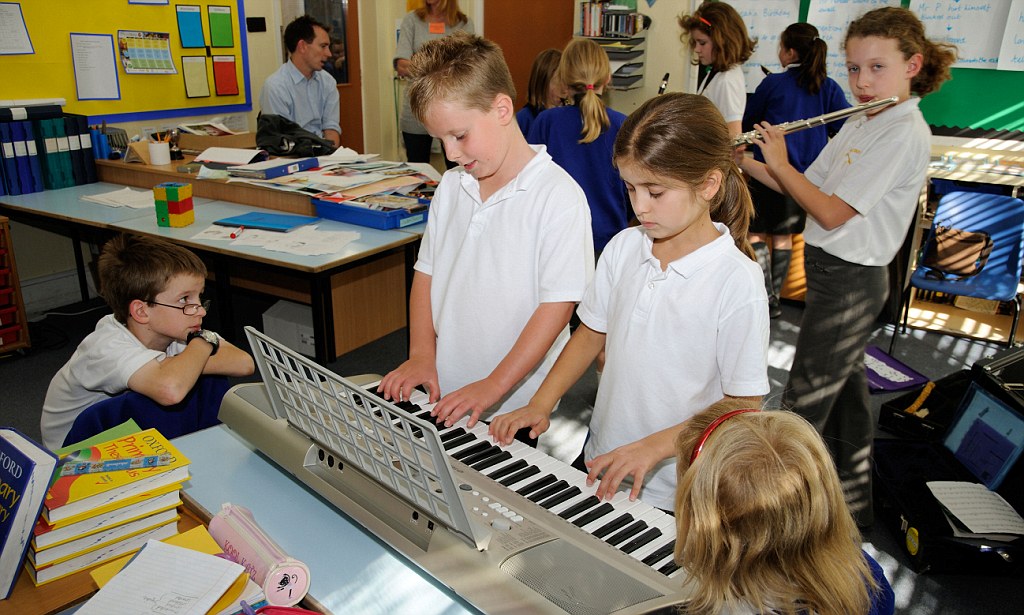
Music has always played a significant role in education, and alternative schooling approaches are no exception. In fact, these non-traditional educational methods often embrace music as a powerful tool for fostering creativity, enhancing learning experiences, and promoting personal growth among students.
One of the key benefits of incorporating music into alternative schooling is its ability to stimulate creativity. Whether it’s through playing an instrument or composing melodies, music allows students to express themselves in unique ways. This creative outlet can help them develop problem-solving skills and think outside the box when faced with academic challenges.
Moreover, music has been proven to enhance cognitive abilities. Numerous studies have shown that learning to play an instrument improves concentration, memory retention, and overall brain function. By engaging both hemispheres of the brain simultaneously, music activates neural connections that support various areas of intellectual development such as language processing and mathematical reasoning.
In addition to cognitive benefits, music also promotes emotional well-being and social interaction among students. Playing in a band or singing in a choir requires teamwork and collaboration. Students learn how to listen attentively to others, synchronize their efforts with fellow musicians or singers, and communicate effectively within a group setting.
Moreover, music can serve as a therapeutic medium for self-expression and emotional release. Alternative schools often cater to students who may have experienced trauma or face mental health challenges. Through songwriting or improvisation exercises facilitated by trained professionals such as music therapists or educators with musical backgrounds, students can find solace in expressing their emotions through lyrics or melodies.
Alternative schooling approaches frequently prioritize holistic development rather than solely focusing on academic achievements. Music plays a crucial role in nurturing this aspect by promoting personal growth among students. Learning an instrument encourages discipline, patience, perseverance – qualities that are not only essential for honing musical skills but also applicable across various facets of life.
Furthermore, exposure to different genres of music introduces students to diverse cultures and perspectives worldwide. It broadens their understanding of the world and encourages empathy and acceptance of others. This exposure to various musical styles fosters a sense of inclusivity and appreciation for diversity.
Alternative schools often offer specialized music programs or collaborate with local music organizations to provide students with access to professional musicians, workshops, and performances. These collaborations expose students to live performances, inspiring them further in their musical journey while also providing an opportunity for aspiring young musicians to showcase their talents.
Music can also be integrated into other academic subjects, creating interdisciplinary learning experiences. For instance, literature classes can explore the connection between poetry and song lyrics or analyze how historical events influenced different musical movements. Science classes can delve into acoustics and sound waves while math classes may incorporate rhythm and patterns through counting beats or understanding time signatures.
In conclusion, music holds immense value in alternative schooling environments. Its ability to stimulate creativity, enhance cognitive abilities, promote emotional well-being, foster personal growth, encourage social interaction, and create interdisciplinary learning experiences makes it a powerful tool for educators seeking holistic approaches towards education. By embracing music within alternative schooling methods, we not only enrich the educational experience but also empower students with invaluable skills that transcend beyond the classroom walls.
 Alternative Amie
Leave a comment