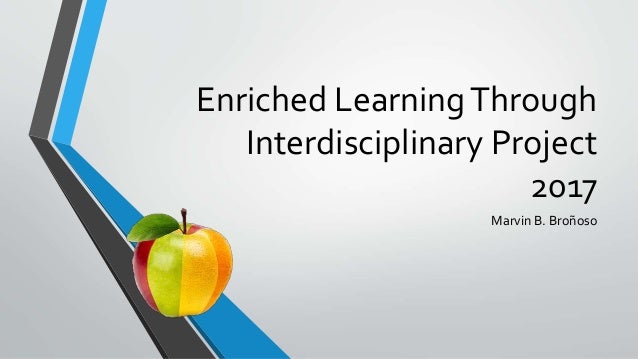
Quadrivium: A Case Study of Alternative Schooling and Education
Introduction:
In today’s rapidly changing world, traditional schooling may not always meet the needs of every student. As a result, alternative forms of education have emerged, providing innovative and personalized approaches to learning. One such example is Quadrivium, an alternative school that focuses on holistic development and encourages students to explore their passions through interdisciplinary studies. In this case study, we will delve deeper into the philosophy and methodology behind Quadrivium.
Background:
Quadrivium was founded in 2010 by a group of educators who were dissatisfied with the limitations of mainstream education systems. They believed that education should be more than just memorizing facts; it should foster critical thinking skills, creativity, and emotional intelligence. With this vision in mind, they set out to create an environment where students could thrive academically while also developing essential life skills.
Philosophy:
At the core of Quadrivium’s philosophy is the belief that all students are unique individuals with different strengths and interests. The school aims to nurture these individual qualities by offering a flexible curriculum that allows for self-expression and exploration. Unlike traditional schools where subjects are taught in isolation, Quadrivium emphasizes interdisciplinary learning as a means to deepen understanding across various domains.
Methodology:
Quadrivium employs project-based learning (PBL) as its primary teaching approach. Students engage in real-world projects that require them to apply academic knowledge to practical situations. For instance, instead of simply reading about historical events or scientific theories from textbooks, students might collaborate on creating a museum exhibit or conducting experiments related to those topics.
Furthermore, technology plays a crucial role at Quadrivium as it enables students to access information beyond conventional sources like books or classrooms. Students learn how to utilize technology effectively for research purposes while also being mindful of digital citizenship principles.
The Learning Environment:
A distinguishing feature of Quadrivium is its physical learning environment. Rather than traditional classrooms, the school is designed as an open space with different zones dedicated to specific subjects and activities. This flexible layout allows students to move freely between areas based on their interests and needs.
Teachers at Quadrivium are more like facilitators who guide students throughout their educational journey. They act as mentors, providing support and resources while encouraging independent thinking and problem-solving skills.
Student Experiences:
To understand the impact of Quadrivium’s alternative approach, we spoke with Sarah, a former student who attended the school for three years. According to Sarah, Quadrivium had a profound influence on her personal growth and academic success. She mentioned that being able to pursue her passions through project-based learning gave her a sense of purpose and motivation she had never experienced before.
Sarah also highlighted the importance of collaborative work at Quadrivium. Working in teams taught her effective communication skills, conflict resolution techniques, and how to value diverse perspectives – all vital skills for success beyond academia.
Conclusion:
Quadrivium serves as an inspiring example of how alternative schooling can provide students with a holistic education experience that goes beyond textbooks and exams. By focusing on interdisciplinary learning, project-based approaches, personalized mentorship, and fostering individuality, this innovative institution equips students with essential life skills necessary for thriving in today’s world.
While not every traditional school may be able to adopt all aspects of Quadrivium’s methodology due to various constraints, there are valuable lessons that could be incorporated within mainstream education systems to create more engaging environments where each student’s unique abilities can flourish.
 Alternative Amie
Leave a comment