The farm-to-table movement has gained significant traction in recent years, revolutionizing the way we think about food production and consumption. This movement emphasizes the importance of locally sourced, seasonal ingredients, promoting sustainable farming practices and fostering a deeper connection between consumers and their food.
At its core, the farm-to-table philosophy seeks to reduce our reliance on industrialized agriculture by advocating for small-scale farmers who prioritize quality and environmental responsibility. By sourcing ingredients directly from local farms, restaurants and individuals can ensure that their meals are fresher, healthier, and more flavorful. This not only benefits our taste buds but also supports local economies and reduces the carbon footprint associated with long-distance transportation.
One key aspect of the farm-to-table movement is education. Many alternative schools have embraced this concept as an opportunity to teach students about nutrition, sustainability, and entrepreneurship. By integrating hands-on experiences like gardening or visiting local farms into their curriculum, these schools empower students to make informed choices about what they eat while connecting them with nature.
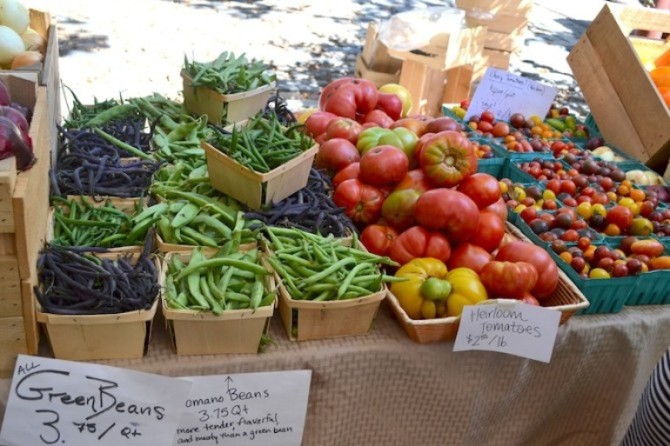
In addition to education within alternative schools, community involvement is crucial for the success of the farm-to-table movement. Farmers’ markets have become popular gathering places where people can buy fresh produce directly from local growers. These markets not only provide access to healthy food options but also create opportunities for dialogue between consumers and producers.
Furthermore, several initiatives aim to bridge gaps in urban areas by bringing farms closer to city dwellers through rooftop gardens or vertical farming systems. These innovative approaches allow residents living in concrete jungles to experience firsthand how their food is grown while addressing issues related to limited space.
Restaurants have also played an integral role in promoting farm-to-table practices by incorporating locally sourced ingredients into their menus. Chefs who embrace this philosophy highlight seasonal flavors and showcase unique regional products that may otherwise go unnoticed.
Overall, the farm-to-table movement offers numerous advantages ranging from improved health outcomes through better nutrition to supporting local farmers economically and environmentally. Its integration into alternative schooling and education provides a platform for students to learn about sustainability, entrepreneurship, and the importance of conscious food choices. By actively participating in this movement, individuals can contribute to building a more sustainable future while savoring delicious meals made with fresh, local ingredients.
 Alternative Amie
Leave a comment