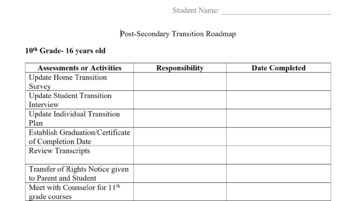
Transition planning is a crucial component of Individualized Education Programs (IEPs) for students with disabilities. This process involves identifying and implementing strategies to help students smoothly transition from one educational setting to another, such as moving from elementary school to middle school or transitioning into post-secondary education or employment. Transition planning in IEPs includes setting goals, developing action steps, and providing necessary support and resources to ensure successful transitions.
IEP goal tracking and progress monitoring are essential for measuring student progress towards achieving their individual goals. These goals are specific and tailored to each student’s unique needs, abilities, and aspirations. Progress monitoring involves regularly assessing a student’s performance through various methods such as observations, assessments, checklists, or portfolios. By tracking progress over time, educators can make informed decisions about instructional strategies and interventions needed to support the student’s growth.
Collaboration with parents and guardians plays a vital role in IEP development. Parents have valuable insights into their child’s strengths, weaknesses, interests, and preferences that can inform the creation of meaningful goals and appropriate accommodations within the IEP. It is important for educators to actively involve parents throughout the process by seeking their input during meetings, maintaining open lines of communication, and fostering partnerships based on mutual respect.
Special education teachers play a pivotal role in implementing IEPs. They work closely with general education teachers to ensure that accommodations are provided in all aspects of the curriculum while also delivering specialized instruction tailored to meet individual needs. Special education teachers collaborate with other professionals involved in the student’s education plan like speech therapists or occupational therapists to provide comprehensive support.
Accommodations and modifications are critical components of an IEP designed to address the diverse learning needs of students with disabilities. Accommodations refer to adjustments made within learning environments or materials that enable students’ equal participation in academic activities without altering content standards. Modifications involve changes made to curriculum expectations based on individual learning needs.
Inclusion refers to the practice of educating students with disabilities alongside their non-disabled peers in general education settings. Mainstreaming, on the other hand, involves selectively integrating students with disabilities into regular classrooms for specific subjects or activities. Both strategies can be implemented within IEPs to ensure that students have access to a range of educational and social opportunities while receiving appropriate support.
Assistive technology supports in IEPs are instrumental in enhancing student learning and independence. Assistive technology devices or software can help overcome barriers to communication, mobility, organization, literacy, and more. These tools are selected based on individual needs and goals outlined in the IEP.
Behavioral Intervention Plans (BIP) address challenging behaviors exhibited by students with disabilities. These plans identify problematic behavior patterns, analyze triggers and consequences, and outline proactive strategies to support positive behavioral change. BIPs are developed collaboratively by educators, parents/guardians, and relevant professionals such as school psychologists or behavior specialists.
Differentiating instruction is essential for meeting the diverse learning needs of students with disabilities within an inclusive classroom environment. It involves tailoring teaching methods, materials, and assessments to accommodate various learning styles, abilities, interests, and readiness levels.
Co-teaching models involve collaboration between general education teachers and special education teachers to provide instruction within an inclusive setting. This approach allows for differentiated instruction while fostering a supportive learning environment where all students can thrive.
Individualized transition plans focus on preparing students for life beyond school by addressing post-secondary education or employment goals. These plans may include vocational training programs, job shadowing experiences or internships aimed at developing skills necessary for future success.
Self-advocacy skills development empowers students with disabilities to advocate for themselves throughout their educational journey. IEPs should incorporate goals that promote self-awareness, decision-making skills,and effective communication so that students can actively participate in their own educational planning process.
Social-emotional learning goals address the emotional well-being of students with disabilities. These goals focus on developing skills such as self-regulation, empathy, and social interaction to support positive relationships and improve overall mental health.
Developing culturally responsive IEPs requires considering the unique cultural backgrounds, values, beliefs, and experiences of students with disabilities and their families. This ensures that educational plans are respectful, inclusive, and relevant to each student’s cultural context.
Collaboration between general education and special education teachers is crucial for effective implementation of IEPs. Regular communication, joint planning sessions, shared resources,and co-teaching strategies help create a unified approach that supports the diverse needs of all students within an inclusive classroom environment.
Extended School Year (ESY) services provide additional educational opportunities beyond regular school hours or during breaks for students who require continuous learning support throughout the year. ESY services can prevent regression in academic or functional skills during extended periods away from school.
Executive functioning skills refer to cognitive abilities involved in managing time, organizing tasks,prioritizing responsibilities,initiating actions,and maintaining focus.These skills can be addressed within IEP goals to support independent functioning in various aspects of life.
Individualized plans for students with autism spectrum disorder (ASD) involve identifying specific strengths,challenges,and interventions tailored to meet their unique needs.ASD-specific strategies may include visual supports,social skill development,sensory supports,and specialized instruction based on evidence-based practices.
Fostering independence through IEPs involves equipping students with the skills necessary to make informed decisions,set realistic goals,take initiative,follow routines,and manage their own learning.This includes gradually reducing dependence on adult support while providing scaffolding as needed.
Addressing sensory needs within an IEP recognizes that many students with disabilities experience sensory processing challenges.Specific accommodations,multi-sensory approaches,the provision of sensory breaks or tools,and creating sensory-friendly environments can greatly enhance student engagement and well-being.
Peer support programs and inclusion initiatives foster positive social interactions between students with and without disabilities.These programs promote understanding,respect,and acceptance while providing opportunities for peer mentoring, modeling,inclusive activities, and friendship-building.
Transition services for students with specific learning disabilities (SLD) focus on developing skills necessary for post-secondary education or employment.IEP goals may include targeted interventions to improve reading,writing,mathematics,study skills,and self-advocacy strategies based on individual needs.
Effective communication among all stakeholders involved in a student’s education plan is crucial for success. Regular meetings, clear documentation of decisions and progress, active listening,and respectful exchanges of information ensure that everyone remains informed and collaborates effectively.
Developing personalized behavior management strategies within an IEP involves identifying the underlying causes of challenging behaviorsand implementing evidence-based interventions to support positive behavioral change.This may involve collaboration with behavior specialists or psychologists to create effective behavior plans.
Supporting students with emotional or behavioral disorders through targeted interventions within their IEP addresses the unique challenges they face. These interventions may include counseling services,social-emotional learning instruction,self-regulation techniques,and collaboration with mental health professionals to provide comprehensive support.
In conclusion,the Individualized Education Program (IEP) is a critical tool for supporting students with disabilities in achieving their educational goals. From transition planning to addressing sensory needs and fostering independence,I EPs are designed to provide tailored supports that address each student’s unique strengths,challenges,and aspirations. Collaboration between educators,parent/guardians,and other professionals plays a key role in ensuring the successful implementation of IEPs. By recognizing the diverse needs of students with disabilities and employing evidence-based practices,I EPs can help create inclusive environments where every student has the opportunity to thrive.
 Alternative Amie
Leave a comment