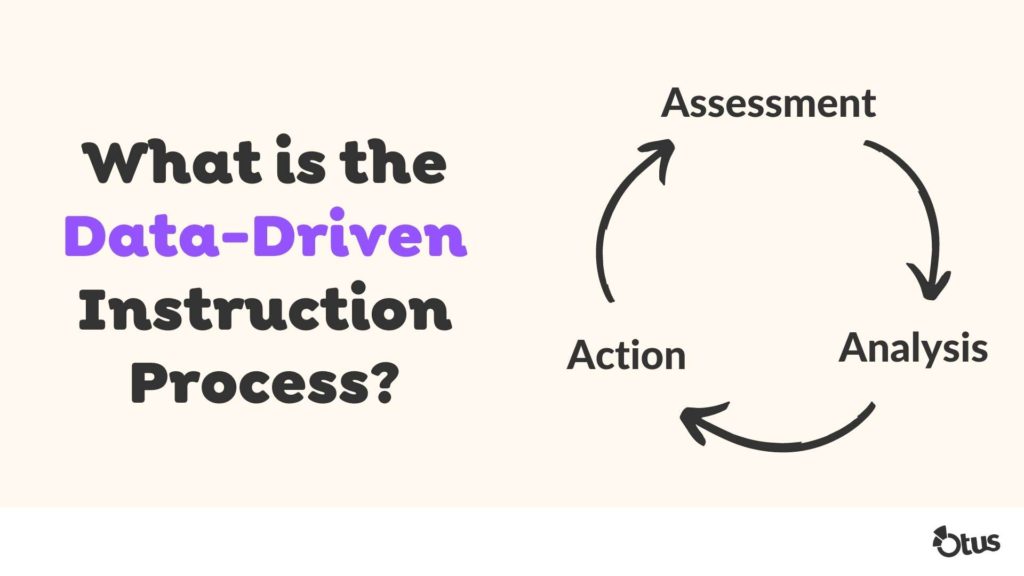
Data-driven instruction has become a buzzword in the education field, with many schools and educators embracing this approach to improve student outcomes. It involves using data and analytics to inform instructional decisions and tailor teaching strategies to meet individual student needs. This method has gained popularity due to its potential for enhancing student achievement, but it also faces criticism from some who argue that it reduces education to mere numbers.
At its core, data-driven instruction is about utilizing information on students’ performance, strengths, weaknesses, and learning styles to shape instructional practices. Traditionally, educators relied on subjective assessments like exams or observations to evaluate students’ progress. However, these methods often lacked objectivity and failed to capture a comprehensive view of each student’s abilities.
With data-driven instruction, teachers can collect a wide range of objective data points through various assessment tools such as standardized tests or online platforms. These assessments provide valuable insights into students’ proficiency levels and allow educators to identify areas where they need additional support or challenge.
One significant advantage of data-driven instruction is its ability to personalize learning experiences for each student. By analyzing individualized data profiles, teachers can design targeted interventions that address specific learning gaps. For instance, if an assessment reveals that a group of students struggles with fractions in mathematics class, the teacher can implement focused lessons or assign additional practice exercises tailored specifically towards improving their understanding in this area.
Moreover, data-driven instruction supports ongoing monitoring of student progress throughout the academic year. Teachers can track how well their students are mastering concepts over time by regularly collecting and analyzing relevant data. This timely feedback enables them to adjust their teaching approaches accordingly and intervene when necessary instead of waiting until the end-of-year test results are available.
However beneficial it may be in enhancing educational practices; critics argue that relying heavily on quantitative measures may oversimplify the complex nature of teaching and learning processes. They emphasize that education encompasses more than just test scores or proficiency levels—it involves creativity development critical thinking, social-emotional skills, and personal growth.
Another concern raised by skeptics is the potential for data-driven instruction to create a “teaching to the test” culture. In an attempt to meet performance targets or improve metrics, teachers may prioritize teaching strategies that are more likely to yield rapid short-term improvements rather than fostering long-term learning and deep understanding.
It is essential to strike a balance when implementing data-driven instruction. While it can be a valuable tool in guiding instructional decisions, it should not overshadow other crucial aspects of education. A holistic approach that incorporates both quantitative and qualitative measures ensures a comprehensive assessment of student progress and development.
In conclusion, data-driven instruction offers educators invaluable insights into students’ strengths and weaknesses, allowing them to tailor their teaching strategies accordingly. It helps personalize learning experiences and enables ongoing monitoring of student progress throughout the academic year. However, it is important not to solely rely on quantitative measures as they do not capture the entirety of educational outcomes. By using data as one piece of the puzzle in conjunction with other assessment methods, educators can ensure a well-rounded approach that supports both academic growth and holistic development for every student.
 Alternative Amie
Leave a comment