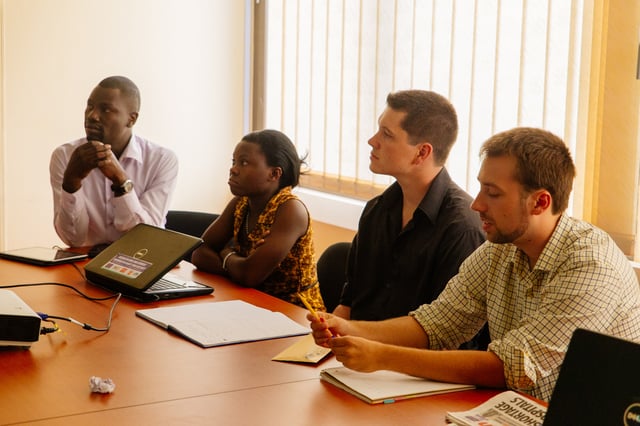
Cultural Immersion: A Gateway to Enriching Education
In the fast-paced and interconnected world we live in, cultural immersion has become an invaluable tool for education. Traditional classroom learning is no longer enough to prepare students for the challenges of a globalized society. Alternative schooling and education models are increasingly recognizing the importance of immersing students in different cultures, fostering cross-cultural understanding, empathy, and adaptability.
Cultural immersion goes beyond mere exposure to different customs or traditions; it involves actively engaging with a new culture by living among its people. This experiential approach allows students to gain a profound understanding of diverse perspectives, languages, values, and ways of life. Whether through study abroad programs or local initiatives that bring international communities into the classroom, cultural immersion provides unique opportunities for personal growth and learning.
One of the key benefits of cultural immersion is its ability to break down stereotypes and foster open-mindedness. When students immerse themselves in unfamiliar environments, they are challenged to question preconceived notions about other cultures and societies. By interacting with individuals from different backgrounds on a daily basis, they learn firsthand that diversity should be celebrated rather than feared.
Moreover, cultural immersion enhances language acquisition skills like no other method can. Learning a language within its native context offers an immersive experience that accelerates comprehension and fluency. Students not only grasp grammar rules but also develop an intuitive understanding of idiomatic expressions and colloquialisms specific to the culture they are immersed in.
Beyond linguistic proficiency, cultural immersion nurtures important social-emotional skills such as empathy and flexibility. Living among people who have different lifestyles forces students out of their comfort zones while also teaching them how to adapt to new situations quickly. They learn that there isn’t just one “right” way of doing things but multiple valid approaches influenced by culture-specific norms.
Furthermore, cultural immersion creates lifelong memories that shape individual identities positively. The experiences gained during these immersive journeys become an integral part of students’ personal narratives, broadening their perspectives and encouraging a sense of global citizenship. Such experiences often ignite a lifelong passion for exploring new cultures and fostering connections with people from diverse backgrounds.
One might argue that cultural immersion is an expensive endeavor beyond the reach of many students. However, alternative schooling and education models are working to bridge this gap by providing more accessible opportunities. Virtual exchange programs, for instance, enable students to connect with peers in different countries through online platforms, breaking down geographical barriers while still promoting cross-cultural understanding.
Moreover, local initiatives can bring cultural immersion into the classroom itself. Inviting guest speakers from various cultures or organizing field trips to ethnic enclaves within the community allows students to experience diversity without leaving their home country. These efforts facilitate meaningful interactions while also increasing awareness about different cultures among both students and educators.
Incorporating cultural immersion into formal education curricula requires a shift in mindset regarding what constitutes essential knowledge and skills. While academic subjects remain important, they should not be taught in isolation from real-world experiences. Cultural competence has become an indispensable skill set today; therefore, schools must prioritize creating opportunities for immersive learning.
It is worth noting that cultural immersion does not replace traditional forms of education but rather complements them. Students still benefit from foundational knowledge provided in classrooms; however, incorporating real-world experiences enhances their understanding and appreciation of concepts taught theoretically.
In conclusion, cultural immersion is a powerful tool that promotes holistic development among students by fostering cross-cultural understanding, language acquisition skills, empathy, flexibility, and global citizenship. As alternative schooling and education models continue to evolve towards more comprehensive approaches to learning, embracing cultural immersion becomes increasingly vital in preparing young minds for a diverse world awaiting them beyond school walls. By immersing themselves in different cultures early on in their educational journey,
students gain invaluable insights that shape their identities positively while equipping them with the necessary skills to thrive as global citizens.
 Alternative Amie
Leave a comment