Arctic Microschools: A Transformative Approach to Education
In recent years, there has been a growing interest in alternative schooling and education models that deviate from the traditional classroom setting. One such model gaining traction is the concept of Arctic microschools. These small-scale educational communities, nestled in the remote and pristine landscapes of the Arctic region, offer a unique and transformative approach to education.
Arctic microschools are typically characterized by their small class sizes, close-knit communities, and immersive learning environments. With an average student-teacher ratio of 5:1 or even lower, these schools prioritize individualized attention and personalized instruction. This allows educators to tailor their teaching methods according to each student’s needs, interests, and learning style.
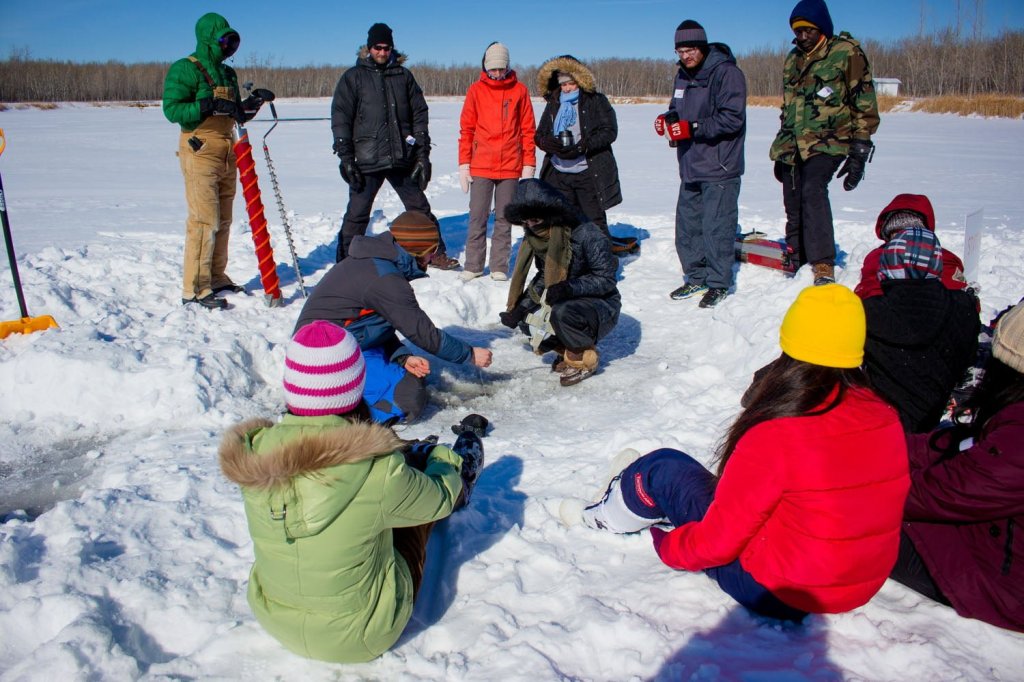
One notable aspect of Arctic microschools is their location in some of the most breathtaking natural environments on Earth. Surrounded by polar landscapes teeming with wildlife, students have unparalleled opportunities for hands-on experiential learning. Whether it’s studying marine life in icy waters or observing the migratory patterns of arctic birds, students gain a deep appreciation for nature while simultaneously developing scientific inquiry skills.
The curriculum at Arctic microschools combines academic subjects with real-world experiences rooted in local culture and sustainability practices. Students learn core subjects like math, science, language arts, and social studies through interdisciplinary projects that integrate knowledge across different disciplines. For example, a project on climate change might involve scientific research on melting ice caps coupled with creative writing assignments exploring its impact on indigenous communities.
One key advantage of this model is its emphasis on community engagement and collaborative problem-solving. Students actively participate in community-based projects that address local challenges or contribute positively to society as a whole. This fosters a sense of responsibility towards one’s environment while nurturing essential skills such as teamwork, leadership, empathy, and cultural understanding.
While traditional schooling often compartmentalizes subjects into separate blocks of time throughout the day or week, Arctic microschools encourage an integrated approach to learning. Teachers design interdisciplinary units that connect various subjects, allowing students to see the interconnectedness of knowledge and its applicability in real-world contexts. For instance, a study on Arctic wildlife might involve biology lessons on animal adaptations, reading literature about arctic explorations, and creating art inspired by the region’s unique landscapes.
Arctic microschools also prioritize fostering a strong sense of community and social-emotional development among students. With small class sizes and close relationships between teachers and students, these schools create nurturing environments where every student feels seen, heard, and valued. Social-emotional learning programs are woven into the curriculum to support emotional intelligence, resilience, self-awareness, and interpersonal skills.
Moreover, Arctic microschools actively promote cultural diversity by integrating local indigenous knowledge into their educational practices. This recognition of indigenous perspectives not only enriches the curriculum but also fosters cross-cultural understanding and respect among students from different backgrounds.
Another notable characteristic of Arctic microschools is their use of technology as a tool for learning rather than as a central component of education. While many traditional schools heavily rely on digital devices for instruction, Arctic microschools strike a balance between technological tools and direct experiences with nature. Students learn how to leverage technology responsibly while simultaneously valuing hands-on exploration in the natural world.
The impact of Arctic microschooling extends beyond academic achievement; it also nurtures well-rounded individuals equipped with critical thinking skills necessary for navigating an ever-changing world. By combining academic excellence with environmental stewardship, cultural appreciation, and social responsibility within immersive learning environments, these schools empower students to become lifelong learners who are engaged global citizens capable of making positive contributions.
In conclusion, Arctic microschools offer an innovative approach to education that blends academic rigor with experiential learning rooted in nature’s wonders. These small-scale communities foster personalized attention while promoting interdisciplinary studies connected to real-world applications. By emphasizing community engagement, cultural diversity inclusion along with social-emotional development, these schools prepare students to be adaptable and responsible citizens. As the world continues to evolve, Arctic microschools stand as a shining example of how education can be transformed to meet the needs of both learners and our planet.
 Alternative Amie
Leave a comment