Self-Advocacy Skills for Neurodivergent Individuals
Introduction:
Neurodivergent individuals are those who have neurological differences such as autism, ADHD, dyslexia, and other conditions that affect their cognitive processes. These individuals often face unique challenges in navigating the world around them and advocating for their needs. Self-advocacy skills play a crucial role in empowering neurodivergent individuals to advocate for themselves effectively. In this post, we will explore the importance of self-advocacy skills and provide practical strategies to develop these skills.
Understanding Self-Advocacy:
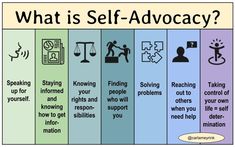
Self-advocacy is the ability to speak up for oneself, assert one’s rights, express opinions and preferences, and make informed decisions about personal matters. For neurodivergent individuals, developing self-advocacy skills is essential because it allows them to take control of their lives and actively participate in decision-making processes that affect them.
Why Are Self-Advocacy Skills Important?
1. Building Confidence: Developing self-advocacy skills helps neurodivergent individuals build confidence in themselves and their abilities. It enables them to recognize their strengths and limitations while valuing their unique perspectives.
2. Empowerment: By acquiring self-advocacy skills, neurodivergent individuals become empowered to voice their needs effectively. This empowerment leads to increased independence and autonomy in various aspects of life.
3. Enhancing Communication: Effective self-advocates learn how to communicate clearly with others about their needs or concerns. This skill improves relationships with peers, teachers, employers, healthcare professionals, etc., ensuring better understanding among all parties involved.
4. Overcoming Stigma: Neurodivergent individuals often face discrimination or stigmatization due to societal misconceptions surrounding their conditions. Self-advocacy empowers these individuals by challenging stereotypes and promoting acceptance within communities.
Strategies for Developing Self-Advocacy Skills:
1. Know Yourself: Understanding one’s strengths, weaknesses, and preferences is crucial in self-advocacy. Neurodivergent individuals should spend time reflecting on their unique traits, learning styles, and specific needs. This self-awareness will help them articulate their requirements more effectively.
2. Educate Yourself: Knowledge is power when it comes to advocating for oneself. Learning about your condition and understanding relevant laws or policies that protect the rights of neurodivergent individuals can be empowering. Attend workshops or join support groups to gain insights from others with similar experiences.
3. Develop Effective Communication Skills: Communication plays a vital role in self-advocacy. Neurodivergent individuals should practice expressing themselves clearly and concisely, using appropriate language for different situations. Role-playing scenarios or seeking guidance from trusted mentors can help refine these skills.
4. Seek Supportive Relationships: Building a network of supportive relationships is essential for effective self-advocacy. Surrounding yourself with people who understand your needs, respect your choices, and encourage your growth can provide invaluable support during challenging times.
5. Set Goals and Prioritize: Setting realistic goals helps neurodivergent individuals focus on what they want to achieve and prioritize their efforts accordingly. Breaking down long-term goals into smaller steps makes them more manageable and increases the chances of success.
6. Practice Problem-Solving Skills: Life is full of challenges that require problem-solving abilities; developing these skills enhances self-advocacy efforts. Encourage brainstorming solutions to various scenarios involving personal rights or accommodations needed in academic or workplace settings.
7.Rehearse Self-Disclosure Techniques: Sharing information about one’s neurodivergence with others can be daunting but necessary for effective advocacy sometimes (e.g., requesting reasonable accommodations). Practicing how to disclose this information confidently while emphasizing strengths can make such conversations less stressful.
8.Take Advantage of Technology Tools: Many technology tools are available that can support self-advocacy efforts. Apps for time management, note-taking, communication aids, and organizational tools can help neurodivergent individuals stay on top of tasks and facilitate effective self-expression.
Conclusion:
In a society where neurodiversity is often misunderstood or stigmatized, developing self-advocacy skills becomes crucial for neurodivergent individuals. By building confidence, empowerment, enhancing communication abilities, and overcoming stigma, these skills pave the way for a more inclusive and accepting environment. Employing strategies such as knowing oneself, educating oneself about rights and conditions, practicing effective communication techniques, seeking supportive relationships, setting goals and problem-solving will empower neurodivergent individuals to advocate effectively for their needs throughout their lives. With continued support from educators, parents/guardians/caretakers/mentors in fostering these skills at an early age and beyond will enable them to thrive academically and professionally while embracing their unique strengths.

 Alternative Amie
Leave a comment