Emotional Regulation Strategies: Creating a Safe and Supportive Learning Environment
As educators, it is crucial for us to recognize the importance of emotional regulation in the learning process. Emotional regulation refers to our ability to manage and respond to our emotions in a healthy way. It plays a significant role in shaping our behavior, decision-making skills, and overall well-being. In an alternative schooling and education setting, where students often face unique challenges or may have experienced trauma, providing effective strategies for emotional regulation becomes even more critical.
In this article, we will explore various strategies that can help create a safe and supportive learning environment where emotional regulation can thrive.
1. Cultivate Emotional Awareness:
The first step towards emotional regulation is developing an understanding of one’s own emotions. Encourage students to identify their feelings by creating space for open discussions about emotions during class time. Provide them with vocabulary related to emotions so they can express themselves better. For example, you could introduce words like “frustrated,” “excited,” “anxious,” or “calm” as part of your classroom conversations.
2. Teach Mindfulness Techniques:
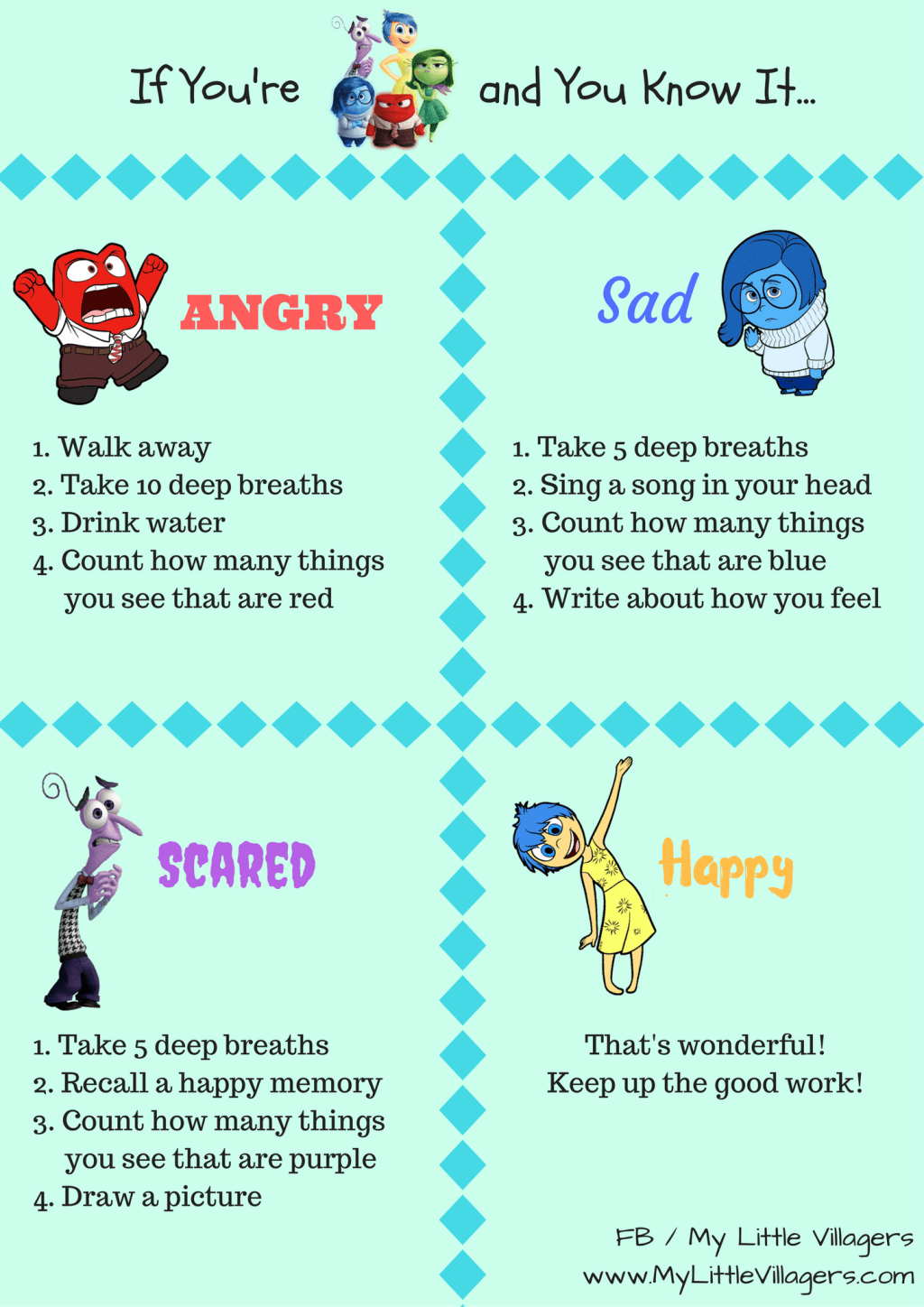
Mindfulness practices have been proven effective in improving emotional regulation skills among students of all ages. Introduce simple mindfulness exercises such as deep breathing techniques or guided meditation sessions into your daily routine. These activities can help students focus their attention on the present moment, reduce stress levels, increase self-awareness, and ultimately improve their ability to regulate their emotions effectively.
3. Create a Safe Space:
Establishing a safe space within the classroom is essential for supporting emotional regulation among students. This includes both physical and psychological safety measures. Ensure that the physical environment is comfortable and welcoming with cozy corners or designated areas for relaxation or reflection when needed.
Moreover, foster respectful communication by emphasizing empathy while interacting with one another during group activities or discussions. Encourage active listening skills without judgment so that each student feels heard and understood without fear of criticism or rejection.
4. Implement Emotional Check-Ins:
Regular emotional check-ins can help students express their feelings and concerns, fostering a sense of belonging and trust within the classroom community. Dedicate a few minutes at the beginning or end of each class for students to share how they are feeling. This practice not only helps them regulate their emotions but also encourages empathy and support among peers.
5. Teach Coping Skills:
Equipping students with coping skills is crucial for managing difficult emotions effectively. Introduce various coping strategies such as deep breathing exercises, journaling, drawing, physical activities like yoga or dance, or seeking support from trusted individuals when needed. Encourage students to explore different coping techniques and find what works best for them individually.
6. Provide Social-Emotional Learning Programs:
Implement comprehensive social-emotional learning (SEL) programs that focus on developing essential life skills such as self-awareness, self-management, social awareness, relationship building, and responsible decision-making. These programs provide structured lessons and activities that promote emotional regulation in a systematic manner while fostering positive relationships within the classroom.
7. Foster Positive Relationships:
Creating strong teacher-student bonds and promoting positive peer relationships enhances emotional regulation among students significantly. Engage in regular one-on-one conversations with each student to understand their individual needs better.
Encourage cooperative learning opportunities where students work together on projects or problem-solving tasks that require effective communication and collaboration. By fostering positive relationships within the classroom community, you create an environment where students feel supported emotionally by both their peers and teachers alike.
8. Model Emotional Regulation:
As educators, we play a crucial role in modeling healthy emotional regulation strategies for our students to emulate. Be mindful of your own reactions during challenging situations; demonstrate calmness when faced with stressors or conflicts.
Share personal anecdotes about how you have managed your own emotions in difficult times as this can help normalize the experience for your students while providing valuable insights into effective emotional regulation strategies.
9. Seek Professional Support:
While implementing these strategies can significantly impact emotional regulation within the classroom, it is essential to acknowledge that some students may require additional support due to trauma or mental health challenges. It is crucial for educators to recognize when professional intervention is necessary and collaborate with school counselors or mental health professionals to ensure students receive the help they need.
In conclusion, fostering emotional regulation skills in an alternative schooling and education setting requires a multifaceted approach. By cultivating emotional awareness, teaching mindfulness techniques, creating a safe space, implementing regular check-ins, teaching coping skills, providing SEL programs, fostering positive relationships, modeling emotional regulation strategies, and seeking professional support when needed; we can create a safe and supportive learning environment where students can thrive academically and emotionally. Remember that each student’s journey towards emotional regulation will be unique, so be patient and adaptive in your approach as an educator.
 Alternative Amie
Leave a comment