Rubrics: A Powerful Tool for Alternative Schooling and Education
In the world of alternative schooling and education, educators are constantly seeking innovative ways to assess student learning. Traditional methods like multiple-choice exams or timed essays often fail to capture the depth of understanding and skills that students acquire through non-traditional approaches. This is where rubrics come in – a powerful tool that can revolutionize assessment practices in alternative schools.
What are Rubrics?
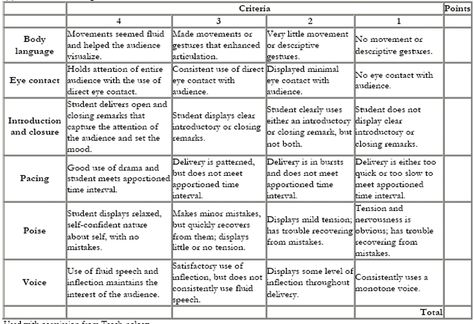
A rubric is a scoring guide or framework that clearly outlines the criteria for evaluating student work across various dimensions. It provides explicit expectations for performance levels, allowing both educators and students to understand what constitutes success at different levels.
Unlike traditional grading systems that rely on subjective judgments, rubrics offer transparency and objectivity in assessment. By breaking down complex tasks into specific components, they provide a roadmap for students’ progress towards mastery.
Why Use Rubrics in Alternative Schooling?
1. Individualized Learning:
Alternative schooling often emphasizes personalized learning experiences tailored to individual needs, strengths, and interests. Rubrics align perfectly with this philosophy by providing clear guidelines based on personalized goals and objectives set by both teachers and learners.
With rubrics, educators can design assessments that reflect students’ unique pathways of growth while maintaining consistent standards across diverse projects or assignments. Students also benefit from knowing exactly what is expected of them as they navigate their own educational journey.
2. Promoting Authentic Assessment:
Alternative schools value real-world application over rote memorization or regurgitation of facts. Rubrics enable authentic assessment by focusing on practical skills such as critical thinking, problem-solving, collaboration, creativity, communication, and self-reflection – all essential competencies for success beyond the classroom.
Rather than simply measuring content knowledge alone, rubrics evaluate how well students apply their knowledge within relevant contexts. They encourage deep engagement with subject matter through project-based learning tasks or hands-on activities tied to real-life challenges.
3. Encouraging Self-Reflection and Metacognition:
One of the key benefits of rubrics is their ability to foster self-reflection and metacognition among students. By clearly defining performance expectations, rubrics allow learners to assess their own work against objective criteria.
Students can use the rubric as a tool for self-assessment, identifying areas of strength and areas that require improvement. This process empowers them to take ownership of their learning journey, cultivating a growth mindset where mistakes are seen as opportunities for growth rather than failures.
4. Feedback and Goal Setting:
Rubrics facilitate meaningful feedback by providing specific information about strengths and weaknesses in student work. Teachers can offer constructive comments tied directly to the rubric’s criteria, guiding students towards targeted improvements.
Furthermore, rubrics make goal setting more effective by establishing clear benchmarks for progress. Students can track their growth over time, identifying areas where they have made significant strides or need further development. This feedback loop supports continuous improvement and motivates students to strive for excellence.
How to Design Effective Rubrics?
Creating effective rubrics requires careful consideration of both learning objectives and assessment goals. Here are some key steps involved in designing impactful rubrics:
1. Identify Learning Objectives:
Begin by clarifying the specific skills or knowledge you want students to acquire through an assignment or project. Break down these objectives into measurable components that capture different aspects of mastery.
2. Define Performance Levels:
Develop a set of performance levels that reflect varying degrees of competence within each component. These levels should be descriptive enough so that it is easy for both teachers and students to differentiate between them.
For example:
– Level 4: Exemplary
– Level 3: Proficient
– Level 2: Developing
– Level 1: Beginning
3. Describe Criteria:
Articulate clear criteria for each level based on observable behaviors or characteristics exhibited by successful performances at that level. Use concrete language that leaves no room for ambiguity.
4. Provide Examples:
Include examples or exemplars of work at each performance level to illustrate what successful achievement looks like. These samples can serve as references for students, helping them understand the expectations more concretely.
5. Seek Feedback:
Before finalizing the rubric, seek input from colleagues or other educators who can offer insights and suggestions for improvement. A collaborative approach ensures that the rubric reflects a shared understanding of expectations and is applicable across different contexts.
Implementing Rubrics in Alternative Schools
Once you have designed an effective rubric, it’s time to put it into action within alternative schooling environments. Here are some strategies to consider when implementing rubrics:
1. Scaffold Learning:
Introduce rubrics early in the learning process to familiarize students with their purpose and structure. Break down complex tasks into manageable chunks, providing ongoing support and guidance as students work towards meeting the desired criteria.
2. Model Assessment:
Model how to use the rubric effectively by demonstrating its application on sample pieces of student work or through collaborative class discussions around grading criteria. This helps students develop a deeper understanding of assessment expectations and builds their capacity for self-assessment.
3. Foster Peer Review:
Encourage peer review sessions where students assess each other’s work using the same rubric employed by teachers. This not only provides valuable feedback but also promotes critical thinking skills as students evaluate others’ performances against established standards.
4. Engage in Reflective Conversations:
Regularly engage in reflective conversations with individual learners or groups about their progress based on rubric assessments. Discuss areas of strength, growth opportunities, and strategies for improvement while setting goals together for future assignments.
5. Evolve Over Time:
Rubrics should evolve alongside student growth and changing curriculum needs within alternative schools’ dynamic environments. Regularly revisit and refine your existing rubrics based on feedback from students, colleagues, and personal observations to ensure they remain relevant and effective.
Conclusion
Rubrics are a powerful tool for alternative schooling and education, providing a clear framework for assessing student progress while promoting individualized learning, authentic assessment, self-reflection, and goal setting. By designing effective rubrics and implementing them thoughtfully, educators can revolutionize assessment practices in alternative schools, supporting students’ growth as they navigate their unique educational journeys.
 Alternative Amie
Leave a comment