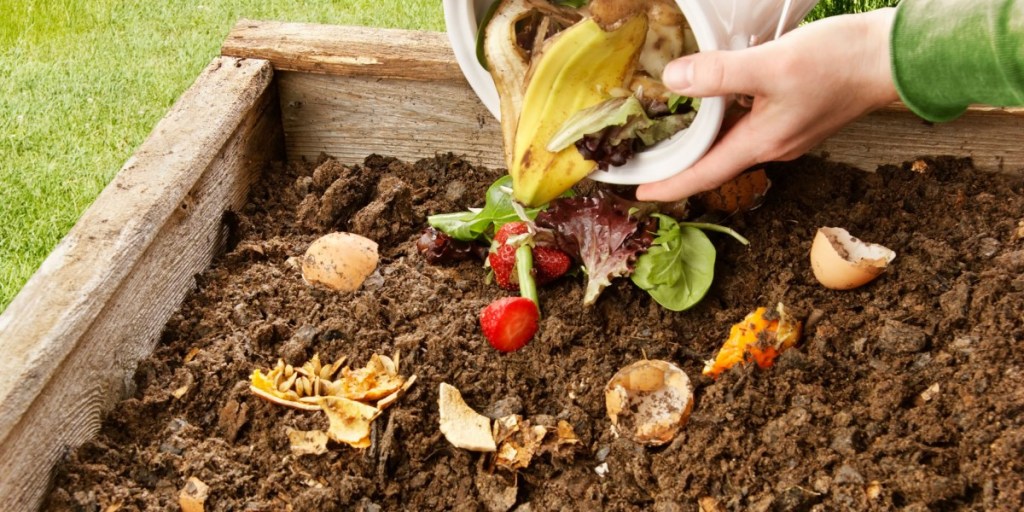
Composting Methods for Small Spaces: A Sustainable Solution
Introduction:
In today’s world, where sustainability and environmental consciousness are gaining more importance, composting has emerged as a simple yet effective way to reduce waste and enhance soil health. Traditionally associated with large gardens or outdoor spaces, composting is now being embraced by individuals living in small apartments or houses with limited outdoor areas. In this article, we will explore various composting methods suitable for small spaces, empowering you to take an active role in sustainable practices regardless of your living arrangements.
1. Vermicomposting:
Vermicomposting is an indoor composting method that utilizes worms to decompose organic waste materials. This technique requires minimal space and can be implemented effectively even in the tiniest of apartments. Here’s how it works:
a) Choose the right worm species: Red wigglers (Eisenia fetida) are commonly used for vermicomposting due to their high appetite for organic waste and ability to thrive in confined spaces.
b) Prepare a suitable container: Select a worm bin made from plastic or wood with adequate drainage holes and ventilation.
c) Layer bedding material: Start by filling the bin with moistened bedding material such as shredded newspaper, coconut coir, or peat moss.
d) Add worms and organic waste: Introduce your red wiggler worms into the bin along with kitchen scraps like fruit peels, coffee grounds, vegetable trimmings (avoid meat products), crushed eggshells, etc.
e) Maintain moisture levels: Keep the bedding material damp but not soaked throughout the process.
f) Harvest vermicompost: After several months when most of the waste has been converted into nutrient-rich castings by the worms, separate them from undecomposed materials by creating piles on one side of the bin. The mature compost can then be collected for use in potted plants or gardens while keeping some aside as the bedding material for the next cycle.
2. Bokashi Composting:
Bokashi composting is another indoor composting method suitable for small spaces, as it doesn’t rely on worms or traditional aerobic decomposition processes. Instead, it utilizes a fermentation process that breaks down organic waste quickly and efficiently. Here’s how to implement this technique:
a) Purchase or make a bokashi bin: Airtight containers specifically designed for bokashi composting can be found in garden supply stores or online. Alternatively, you can create your own using two buckets – one with drainage holes placed inside the other.
b) Add bokashi bran: Sprinkle a handful of bokashi bran (a mixture of beneficial microorganisms such as lactobacillus) onto the bottom of the container before adding any waste.
c) Layer organic waste: Place kitchen scraps like vegetable peels, cooked food, bread, dairy products (in moderation), and small amounts of meat/fish into the bin. It is essential to cut larger pieces into smaller sizes to accelerate decomposition.
d) Compact and seal: After each layer of waste, press down firmly to remove air pockets and cover it with more bokashi bran before sealing the lid tightly.
e) Drain accumulated liquid: Due to fermentation, liquid known as “bokashi juice” will accumulate in the bottom bucket/container. Drain this nutrient-rich liquid every few days by opening the tap or tilting the bucket slightly.
f) Fermentation period: Allow two weeks for fermentation to occur while keeping an eye out for any foul odors indicating anaerobic conditions; adding more bran helps prevent this issue.
g) Finish composting process: Once fermented, bury your bokashi pre-compost in soil or outdoor compost piles where aerobic bacteria will continue breaking it down into usable humus within a few weeks.
3. Tumbler Composting:
Tumbler composting is an ideal method for small spaces with limited outdoor areas, such as balconies or patios. It involves using a rotating drum to accelerate the decomposition process and provides the following benefits:
a) Choose the right tumbler: Select a compact compost tumbler that suits your available space and needs. They come in various sizes, shapes, and designs.
b) Add organic waste: Fill the tumbler with a balanced mixture of brown materials (dry leaves, shredded paper) and green materials (kitchen scraps, grass clippings). Avoid adding meat, dairy products, or oily substances that may attract pests.
c) Turn regularly: Rotate the tumbler every few days to provide adequate aeration and mix the contents thoroughly. This helps speed up decomposition by promoting oxygen flow.
d) Monitor moisture levels: Ensure that the compost remains moist but not overly wet throughout the process. Adjust by adding water or dry materials accordingly.
e) Harvest finished compost: After several weeks to months (depending on temperature and other factors), you will obtain dark, crumbly compost ready for use in your indoor plants or outdoor garden beds.
Conclusion:
Composting is no longer limited to those with sprawling gardens; it has become accessible to everyone regardless of their living arrangements. With vermiculture, bokashi composting, and tumbler composting methods at hand, individuals residing in small apartments can contribute significantly towards sustainable practices while enriching their soil health simultaneously. By implementing these techniques into our daily lives, we can reduce waste sent to landfills while producing nutrient-rich compost for our potted plants or community gardens. So why not embark on this eco-friendly journey today? Start small but think big when it comes to making a positive impact on our environment!
 Alternative Amie
Leave a comment