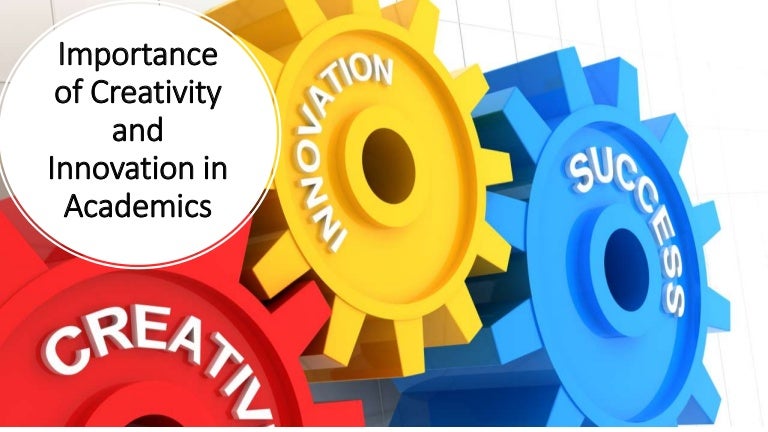
Creativity and Innovation in Education: Nurturing the Spark of Learning
In today’s rapidly changing world, it is becoming increasingly clear that traditional education models are no longer sufficient to prepare students for the challenges they will face in their future lives and careers. As a result, alternative approaches to schooling are gaining traction, with a strong focus on creativity and innovation. By fostering these skills from an early age, educators can equip students with the tools they need to navigate an evolving society.
One of the key elements of incorporating creativity into education is promoting a growth mindset among students. This concept encourages learners to embrace challenges as opportunities for growth rather than fixed obstacles. By teaching students that failure is not something to be feared but rather a stepping stone towards success, schools can create an environment where experimentation and exploration are valued.
To nurture creativity, it is crucial for educators to provide opportunities for self-expression and divergent thinking. Traditional classrooms often prioritize conformity and standardization over individuality and originality; however, alternative educational models emphasize personal expression as a means of unlocking innovation. Whether through art projects, open-ended assignments or collaborative problem-solving activities, giving students room to explore their unique perspectives fosters creative thinking.
Innovation also thrives when interdisciplinary connections are encouraged within the curriculum. Integrating different subjects allows students to make meaningful connections between seemingly unrelated ideas while developing critical thinking skills. For example, incorporating science into literature lessons or history into math problems enables learners to see how knowledge transcends disciplinary boundaries – an essential skill in today’s interconnected world.
Furthermore, technology plays a vital role in fostering creativity and innovation in education. With access to various digital tools such as coding platforms or multimedia editing software, students can engage with complex concepts in hands-on ways that were previously unimaginable. Technology also provides avenues for collaboration beyond classroom walls by connecting students from diverse backgrounds globally – expanding horizons and promoting empathy.
Alternative educational institutions have recognized the importance of nurturing creativity and innovation in their pedagogical approaches. Schools that prioritize student-led projects, inquiry-based learning, or problem-solving methodologies are fostering a culture of curiosity and experimentation. These institutions provide an environment where students are encouraged to ask questions, challenge assumptions, and think critically to find unique solutions.
Creativity and innovation in education not only benefit students on an individual level but also have broader societal implications. By equipping young minds with the skills needed for creative problem-solving, we can prepare them for a future where adaptability and originality will be highly valued in the workforce. Moreover, cultivating these qualities can lead to new discoveries, advancements in various fields, and ultimately contribute to the betterment of society as a whole.
In conclusion, embracing creativity and innovation within education is essential for preparing students for an ever-changing world. By fostering a growth mindset, encouraging self-expression, promoting interdisciplinary connections, leveraging technology tools effectively, and prioritizing student-led initiatives – educators can create environments where imagination thrives. Such alternative schooling approaches empower learners to become critical thinkers who actively shape their own futures while contributing positively to society at large.
 Alternative Amie
Leave a comment