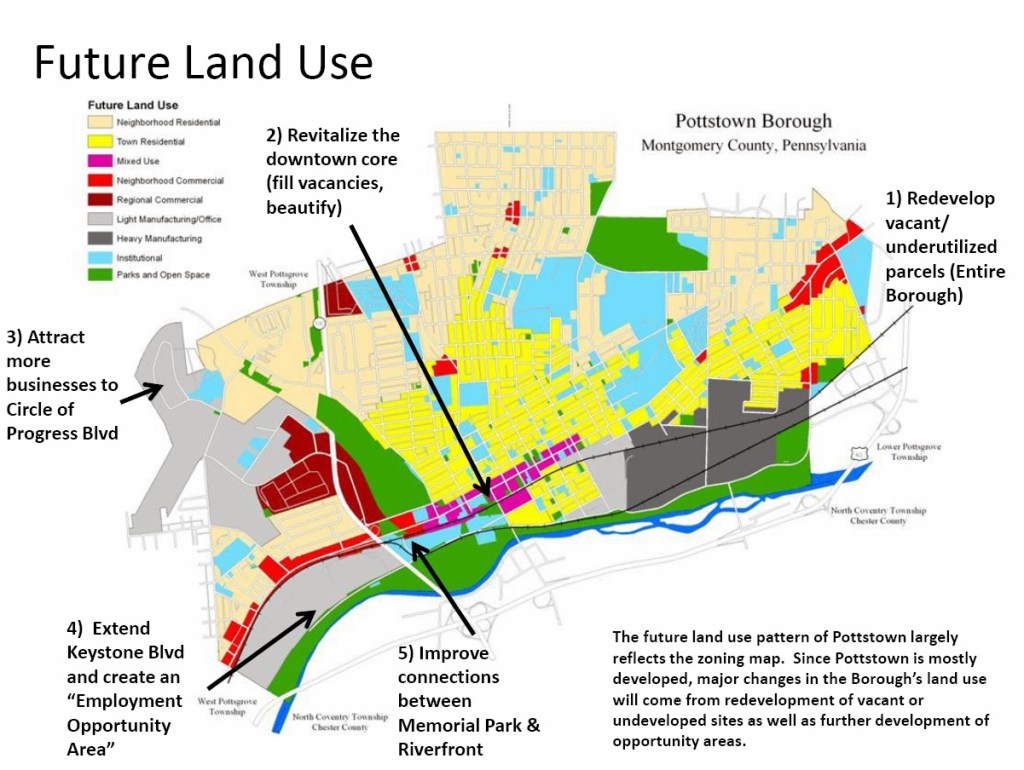
Land use planning plays a critical role in shaping our communities and ensuring sustainable development. It is an essential process that helps determine the best way to allocate land resources for various uses, such as residential, commercial, industrial, agricultural, and recreational purposes. By carefully considering factors like population growth, environmental impact, transportation infrastructure, and community needs, land use planning aims to create vibrant and well-designed spaces for people to live and work.
One of the primary goals of land use planning is to promote efficient land utilization. This involves maximizing the potential of available land while minimizing negative impacts on the environment. For instance, through strategic zoning regulations and development guidelines, planners can designate areas for high-density housing near urban centers or transit hubs. This approach not only minimizes urban sprawl but also encourages more sustainable modes of transportation like walking or public transit.
Moreover, land use planning plays a crucial role in protecting natural resources and preserving open spaces. By designating specific areas as conservation zones or green belts, planners ensure that valuable habitats are preserved and biodiversity is maintained. Additionally, careful consideration is given to floodplains or environmentally sensitive areas to prevent detrimental effects on both human settlements and ecosystems.
Another aspect of land use planning is its focus on promoting social equity within communities. Planners strive to create neighborhoods that offer a range of affordable housing options for different income groups while also providing access to amenities like schools, parks, healthcare facilities, and retail establishments. By fostering diverse communities with mixed-use developments that integrate residential with commercial spaces in close proximity – often known as smart growth – planners aim to reduce disparities in access to services based on socioeconomic status.
In conclusion, land use planning serves as a vital tool in shaping our communities by ensuring sustainable development practices while accommodating population growth and meeting community needs. Through strategic allocation of land resources across different sectors such as residential, commercial or recreational activities; preservation of natural resources; promotion of social equity; and integration of smart growth principles, land use planning strives to create livable and vibrant spaces for all. By incorporating these considerations into the decision-making process, we can build communities that are not only functional but also environmentally friendly and socially inclusive.
 Alternative Amie
Leave a comment