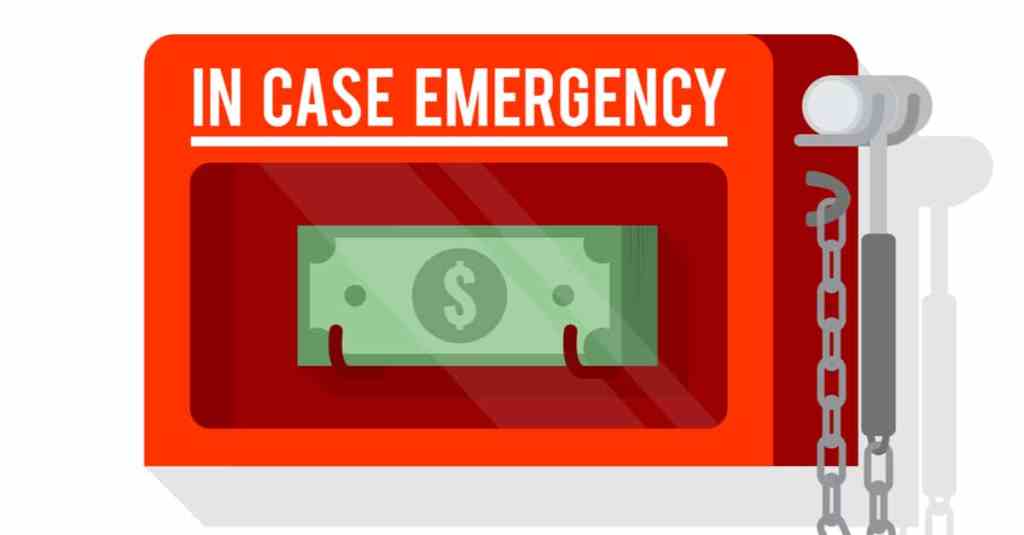
Building an Emergency Fund
Interviewer: Thank you for joining us today. We have a very important topic to discuss – building an emergency fund. Can you start by explaining what exactly is an emergency fund and why it is important?
Expert: Absolutely! An emergency fund refers to a designated amount of money set aside specifically for unexpected expenses or emergencies that may arise in life, such as medical bills, car repairs, or job loss. It acts as a safety net to prevent individuals from going into debt during times of crisis.
Having an emergency fund is crucial because it provides financial security and peace of mind. Life can be unpredictable, and unexpected expenses can quickly derail your financial stability if you’re not prepared. By having funds readily available, you won’t need to rely on credit cards or loans with high interest rates.
Interviewer: How much should someone aim to save in their emergency fund?
Expert: The general rule of thumb is to save three to six months’ worth of living expenses. This means calculating your monthly expenses (including rent/mortgage payments, utilities, food costs) and multiplying that figure by the desired number of months. For those with more uncertain incomes or who are self-employed, saving up to twelve months’ worth may be wise.
It’s also important to consider personal factors when determining how much you need in your emergency fund. Are there any dependents? Do you have health issues? These variables may warrant larger amounts saved.
Interviewer: What strategies can individuals use to build their emergency funds?
Expert: Building an emergency fund requires discipline and commitment. Start by analyzing your current spending habits and creating a budget that allows for regular savings contributions towards your fund.
One strategy is automating savings transfers each month from your checking account into a separate designated savings account specifically for emergencies only. Treating this transfer as just another monthly expense ensures consistency in building the fund over time.
You can also boost savings by reducing unnecessary expenses. Cutting back on dining out, entertainment, or shopping can free up funds to contribute towards your emergency fund.
Supplementing your income is another way to accelerate savings. Consider taking on a side gig or freelancing opportunities that allow you to earn extra money dedicated solely to building the emergency fund.
Interviewer: Are there any additional tips or advice you would like to share with our readers?
Expert: Absolutely! Firstly, it’s important to remember that building an emergency fund takes time and patience. Start small if necessary and gradually increase your contributions over time.
Secondly, resist the temptation to dip into the fund for non-emergency expenses. It’s crucial to maintain discipline and only use the money for its intended purpose.
Lastly, regularly review and update your emergency fund as needed. Life circumstances change, so reassess your living expenses periodically and adjust your savings goals accordingly.
In summary, building an emergency fund is essential for financial security in times of crisis. By following these strategies – creating a budget, automating savings transfers, reducing expenses, supplementing income – individuals can steadily build their funds and gain peace of mind knowing they are prepared for whatever unexpected events may arise in life.
 Alternative Amie
Leave a comment