Interest-based Curriculum: Nurturing a Love for Learning
Education is a transformative process that shapes individuals into well-rounded and knowledgeable members of society. Traditional curriculum models have long followed a standardized approach, focusing on predetermined subjects and learning outcomes. However, in recent years, there has been a shift towards interest-based curriculum – an innovative approach that allows students to explore their passions and interests while still meeting educational objectives.
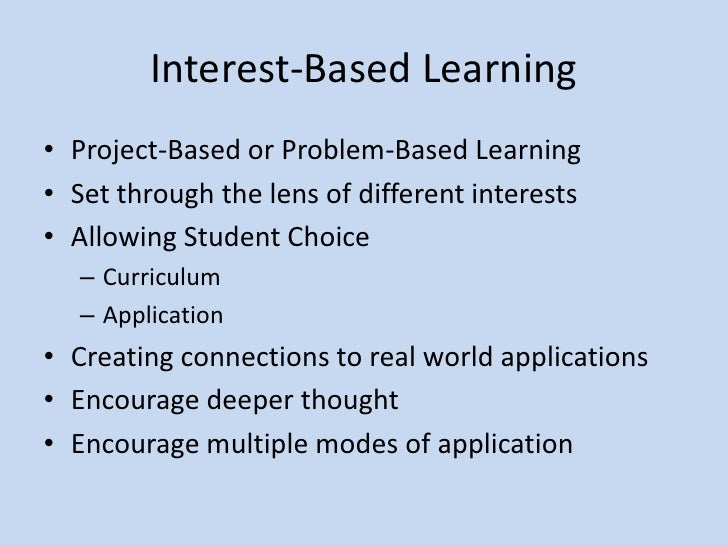
Interest-based curriculum recognizes that each student possesses unique talents, passions, and curiosity. By incorporating these individual interests into the learning process, educators can motivate students to engage more deeply with their studies. The concept stems from the belief that when students are genuinely interested in what they are learning, they become active participants in their education rather than passive recipients of information.
One of the primary advantages of an interest-based curriculum is its ability to foster intrinsic motivation among students. When lessons align with their personal interests, children become naturally enthusiastic about learning. This enthusiasm fuels their drive to explore ideas further, ask questions, and seek out new knowledge independently.
Moreover, interest-based curriculum also promotes critical thinking skills as it encourages students to delve deeper into subjects they find fascinating. By following their own curiosity and actively seeking answers to questions that arise during exploration, learners develop problem-solving abilities and analytical thinking skills essential for success beyond school walls.
Another significant benefit lies in the development of self-awareness and self-confidence among students who feel empowered by being able to steer their own educational journey. As they pursue topics aligned with their passions or hobbies outside traditional academic subjects like science or math, young learners gain confidence in expressing themselves and exploring alternative areas of study.
Furthermore, an interest-based curriculum nurtures creativity by providing opportunities for originality within assignments or projects related to specific fields or themes chosen by the student. Students can showcase artistry through various mediums such as writing stories inspired by favorite books or creating multimedia presentations on historical events tied directly to personal interests.
Critics of interest-based curriculum argue that it may neglect important foundational knowledge and skills. However, proponents counter this by highlighting the flexibility of this approach, which still allows for incorporating essential subjects while ensuring students’ interests remain at the forefront.
In conclusion, an interest-based curriculum offers immense benefits to learners by fostering intrinsic motivation, critical thinking skills, self-awareness, self-confidence, and creativity. By recognizing and incorporating students’ individual interests into their education, we can create an engaging learning experience that not only meets educational objectives but also instills a lifelong love for learning. As educators continue to explore alternative approaches to traditional schooling methods, embracing interest-based curriculum is undoubtedly a step towards empowering young minds and preparing them for success in an ever-evolving world.
 Alternative Amie
Leave a comment