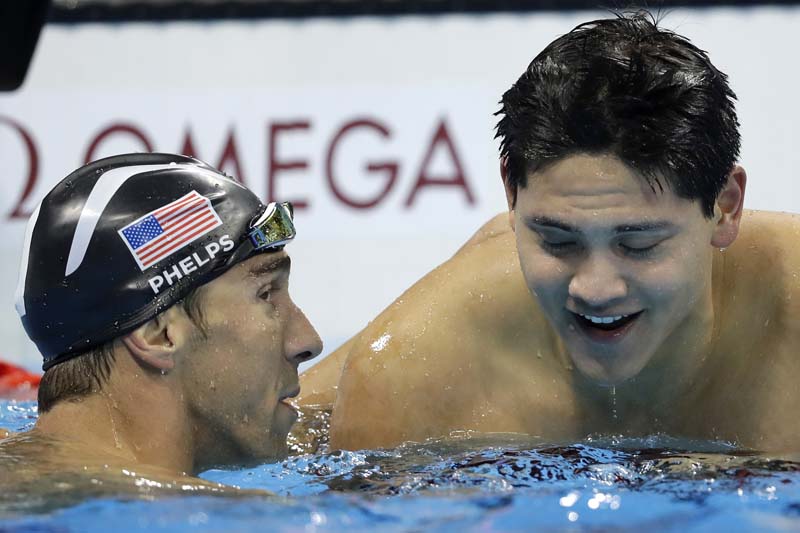
Michael Phelps: A Champion of Alternative Schooling
In the world of swimming, Michael Phelps is a name that needs no introduction. With a record-breaking 23 Olympic gold medals to his name, he has undoubtedly earned the title of the most successful and decorated Olympian in history. However, what many people may not know is that behind this phenomenal athletic success lies an equally remarkable story of alternative schooling and education.
Phelps was diagnosed with attention deficit hyperactivity disorder (ADHD) at a young age, which presented him with unique challenges both inside and outside the classroom. As a result, his parents made the decision to enroll him in an alternative school program that would better suit his individual needs. This alternative form of education allowed Phelps to receive personalized attention and support from teachers who understood how to cater to his learning style.
One aspect that set Phelps’ education apart was its emphasis on flexibility. Traditional schooling often follows rigid schedules and structures, but for Phelps, this approach simply did not work. His demanding training regimen required him to spend countless hours in the pool each day, leaving little time for conventional classroom instruction. Instead, he worked closely with tutors who tailored their teaching methods around his training schedule.
Another key component of Phelps’ alternative schooling experience was its focus on experiential learning. Recognizing that traditional textbooks alone could not provide him with all the knowledge he needed, Phelps engaged in hands-on activities related to science and math – two subjects where he found particular interest. Whether it was conducting experiments or analyzing data collected from his own swim practices, these practical experiences helped solidify his understanding of complex concepts.
Moreover, alternate schooling also fostered an environment where creativity thrived. Unlike traditional schools that can sometimes stifle individuality and limit freedom of expression through standardized curricula, Phelps had more autonomy over what he learned and how he learned it. This enabled him to explore various interests beyond academics while nurturing qualities like resilience and self-motivation – both vital in his pursuit of athletic excellence.
Phelps’ success story serves as a testament to the power of alternative schooling and education. It demonstrates that providing students with customized learning experiences can unlock their full potential, regardless of any challenges they may face. By accommodating individual needs, offering flexibility, promoting experiential learning, and encouraging creativity, alternative schools create an environment where students like Phelps can thrive academically and pursue their passions wholeheartedly.
In conclusion, Michael Phelps’ journey from an alternative school student to a swimming legend showcases the remarkable impact that alternative schooling and education can have on individuals. His story inspires us to rethink traditional educational systems by embracing innovative approaches that cater to diverse learning styles and adapt to unique circumstances. Ultimately, it reminds us that sometimes unconventional paths lead to extraordinary achievements.
 Alternative Amie
Leave a comment