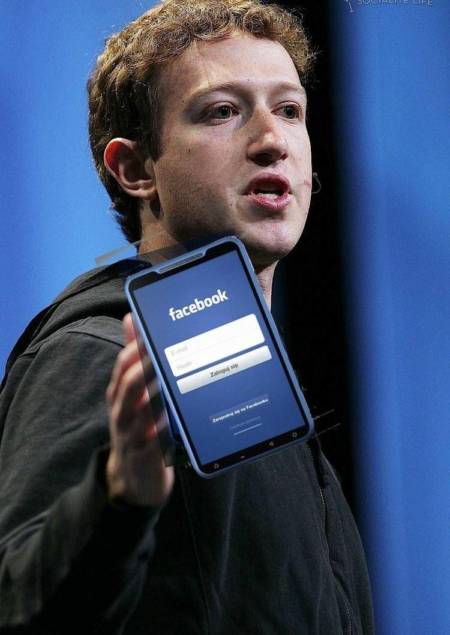
Mark Zuckerberg: The Unconventional Education of a Tech Titan
When you think of Mark Zuckerberg, the first thing that probably comes to mind is Facebook – the ubiquitous social media platform that has revolutionized the way we connect and share information. But did you know that behind this tech titan lies an unconventional education journey? From his early days as a curious teenager to his rise as one of the world’s wealthiest individuals, Zuckerberg’s path to success is a testament to thinking outside the box when it comes to schooling.
Born on May 14, 1984, in White Plains, New York, Mark Elliot Zuckerberg showed signs of brilliance from an early age. He developed an interest in computers at a young age and quickly became adept at programming. However, instead of following the traditional educational route like most prodigies do, Zuckerberg took a detour.
Zuckerberg attended Ardsley High School in Westchester County but found himself yearning for more challenges. He was already light-years ahead in terms of technical skills compared to his peers and felt constrained by the curriculum. This led him to enroll in Phillips Exeter Academy – one of America’s most prestigious boarding schools known for its unconventional teaching methods.
At Phillips Exeter Academy, students are encouraged to take control of their own learning through self-directed study and collaboration with peers. There are no formal exams or grades; rather, students must demonstrate mastery through projects and presentations. This approach resonated strongly with Zuckerberg’s independent nature and allowed him to explore his interests freely.
During his time at Phillips Exeter Academy, Zuckerberg immersed himself in computer science courses while also exploring other disciplines such as classics and literature. It was here that he honed not only his technical skills but also developed critical thinking abilities that would later prove invaluable.
After graduating from high school, instead of pursuing higher education immediately like many expected him to do given his talents, Zuckerberg decided to focus on building something revolutionary – a social networking platform that would connect people from around the world. And so, Facebook was born.
The story of Zuckerberg dropping out of Harvard University to work on Facebook has become legendary. However, what many don’t realize is that this decision was not made on a whim but rather rooted in his desire for a more hands-on and practical approach to learning.
Zuckerberg’s unconventional education didn’t end with dropping out of college; it continued as he embarked on an entrepreneurial journey with Facebook. The company grew rapidly, and Zuckerberg found himself at the helm of a multinational corporation before the age of 25. As he navigated uncharted waters, he relied heavily on his ability to learn quickly and adapt – skills honed during his formative years.
One might argue that Zuckerberg’s real-world experiences and self-learning have been far more impactful than anything traditional schooling could have offered him. Through trial and error, he acquired business acumen, leadership skills, and an understanding of human behavior that proved instrumental in shaping Facebook into the global phenomenon we know today.
Of course, this isn’t to say that traditional education is irrelevant or unnecessary. It can provide a solid foundation for young minds while nurturing essential social skills through interactions with peers and mentors. However, Zuckerberg’s story serves as a reminder that there are alternative paths to success outside the confines of conventional schooling.
In fact, Zuckerberg himself recognizes the importance of lifelong learning beyond formal education systems. In recent years, he has launched initiatives such as “Learn with Facebook” aimed at providing individuals with access to online courses covering various topics ranging from coding to entrepreneurship.
Furthermore, Zuckerberg has shown great interest in philanthropy and using technology for educational purposes through projects like Internet.org – an effort to bring internet connectivity to underserved communities worldwide. By leveraging technology for education, he aims to bridge gaps in access and empower individuals who may not have had access to traditional educational opportunities.
So whether you agree with his methods or not, there’s no denying that Mark Zuckerberg’s unconventional education journey has shaped him into the visionary and innovator he is today. His story serves as an inspiration for those who dare to challenge the status quo and seek alternative paths to knowledge and success.
In a world where traditional schooling may not always cater to every individual’s needs, we can all learn something from Zuckerberg’s willingness to think outside the box and forge his own path. Who knows? The next great tech titan might be sitting in a classroom right now, yearning for a different way of learning – just like Mark did all those years ago.
 Alternative Amie
Leave a comment