Grasslands: A Retrospective on Alternative Schooling and Education
In the ever-evolving landscape of education, alternative schooling has gained considerable attention in recent years. One such approach that has been increasingly embraced is the concept of grasslands – a metaphorical representation of educational environments that prioritize holistic learning, self-direction, and community engagement. As we look back on the impact of grasslands on education, it becomes evident that this approach has significantly contributed to fostering a love for learning and personal growth among students.
At its core, grasslands advocate for a departure from traditional educational models by encouraging experiential learning rather than rote memorization. Students are encouraged to explore their passions and interests deeply while being actively involved in shaping their own curricula. This emphasis on self-direction empowers learners to take ownership of their education, resulting in higher levels of motivation and engagement.
One distinguishing feature of grasslands is the emphasis placed on personalized instruction tailored to individual student needs. Teachers act as guides or facilitators rather than strict authority figures. They provide support and mentorship while allowing students to navigate their unique educational journeys at their own pace. By acknowledging diverse learning styles and preferences, this approach fosters a sense of autonomy within each learner.
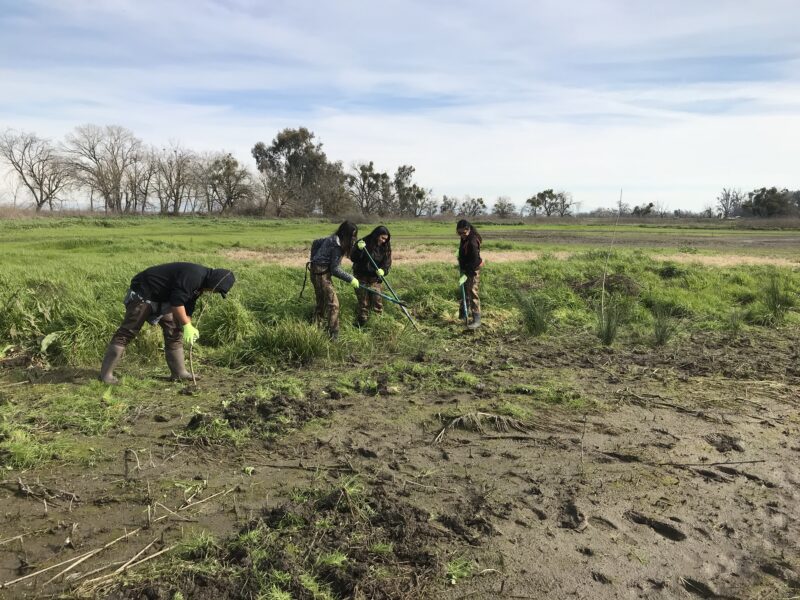
Additionally, community involvement plays an integral role in grassland education. Recognizing that learning extends beyond the classroom walls, these schools often collaborate with local organizations, businesses, and individuals who serve as resources for real-world experiences. This not only enriches students’ understanding but also instills valuable life skills such as problem-solving, critical thinking, communication, and collaboration.
The success stories emerging from grassland schools further attest to its effectiveness as an alternative model of education. Students display increased creativity, resilience, adaptability – qualities highly sought after in today’s rapidly changing world. Moreover, they develop a deep sense of empathy towards others due to regular interactions with diverse groups within their communities.
While there are challenges associated with implementing grassland education, such as standardized testing requirements and limited resources, many educators firmly believe that the benefits outweigh these obstacles. The focus on cultivating a passion for lifelong learning, promoting self-confidence and autonomy, and fostering community engagement are viewed as essential in preparing students to thrive beyond their academic years.
In conclusion, grasslands have proven to be a valuable alternative approach to traditional schooling. By prioritizing holistic learning experiences, personalized instruction, and community involvement, this model has nurtured well-rounded individuals equipped with not just knowledge but also the skills necessary for success in an ever-changing world. As we continue to explore innovative educational methods, it is important to reflect on the impact of grasslands and consider how elements of this approach can be integrated into mainstream education systems to benefit learners worldwide.
 Alternative Amie
Leave a comment