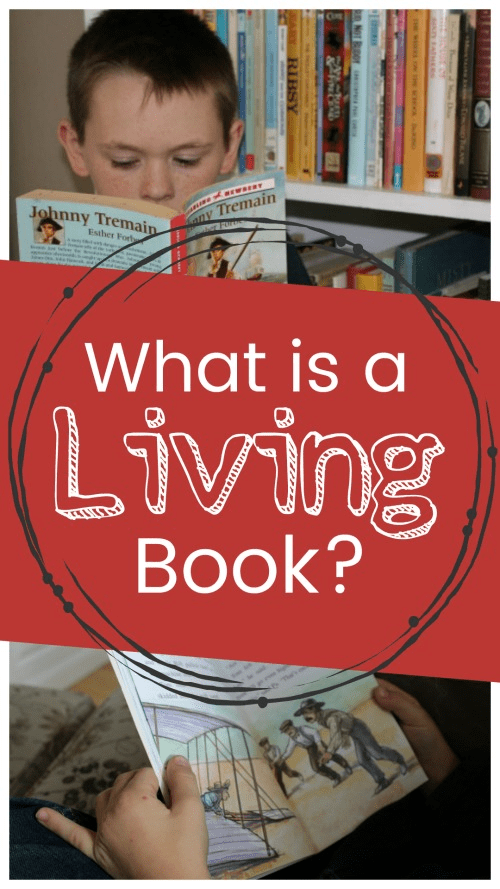
Living Books: Selecting and Utilizing the Key to Engaging Education
Introduction:
In the realm of alternative schooling and education, one approach that has gained significant popularity is the use of living books. These books are not merely passive sources of information but are vibrant tools designed to engage students in active learning. Living books have a unique ability to stimulate imagination, foster critical thinking skills, and inspire a love for knowledge. In this panel discussion-style post, we will explore the process of selecting living books and discuss effective strategies for incorporating them into educational settings.
Panelists:
1. Sarah Thompson – Experienced homeschooler
2. Dr. David Anderson – Education researcher
3. Lisa Garcia – Elementary school teacher
4. Michael Johnson – Curriculum developer
Question 1: What are living books?
Sarah Thompson: Living books are high-quality literature written by passionate authors who have deep knowledge about their subject matter or storylines they present. These books go beyond presenting dry facts; they draw readers into rich narratives that provide an authentic experience within their topics.
Dr. David Anderson: Exactly! Living books offer personal connections with characters, events, or ideas presented in a narrative form rather than relying solely on textbooks or reference materials.
Lisa Garcia: I agree with Sarah and Dr. Anderson’s points regarding personal connections and narratives in living books. They stimulate curiosity and help children develop empathy by encouraging them to step into someone else’s shoes.
Michael Johnson: Additionally, living books often provoke questions, encourage reflection, challenge assumptions, spark discussions among students – all while providing an enjoyable reading experience!
Question 2: How should educators select appropriate living books?
Sarah Thompson: When selecting living books for our homeschool curriculum, I look for those that align with my child’s interests but also cover essential subjects like history, science, geography, etc., so as not to limit their exposure to different areas of knowledge.
Dr. David Anderson: It’s crucial for educators to understand the developmental stage of their students and choose books that match their reading levels and emotional maturity. Additionally, selecting diverse literature is vital to ensure representation and expose students to various perspectives.
Lisa Garcia: I agree with Dr. Anderson. As an elementary school teacher, I prioritize books that are age-appropriate, engaging, and have relatable characters or themes that resonate with my students’ experiences.
Michael Johnson: In my work as a curriculum developer, I emphasize the importance of evaluating the book’s authenticity. Living books should be written by authors who possess expertise in their subject matter or present stories that reflect authentic experiences.
Question 3: How can living books be effectively incorporated into educational settings?
Sarah Thompson: One way is through read-aloud sessions where teachers can engage students by asking open-ended questions about the story. This encourages critical thinking and discussion among classmates.
Dr. David Anderson: Absolutely! Another effective method is using living books as a springboard for interdisciplinary projects or activities. For example, after reading a book on marine life, students could create dioramas or conduct research projects related to marine ecosystems.
Lisa Garcia: Building on Dr. Anderson’s point, living books can also inspire creative writing assignments such as narrative retellings from different character perspectives or even creating alternative endings.
Michael Johnson: To deepen comprehension skills further, educators can encourage students to keep journals while reading living books – jotting down thoughts, making connections between the text and real-life experiences, or identifying new vocabulary words they encounter along the way.
Question 4: How do you measure learning outcomes when utilizing living books?
Sarah Thompson: Since assessments play a role in homeschooling too, I often incorporate project-based assessments instead of relying solely on traditional tests. Students can create presentations based on what they learned from the living book they read.
Dr. David Anderson: That’s an excellent approach! Authentic assessment methods like portfolios showcasing artwork inspired by a living book or reflective essays can provide a more accurate measure of students’ understanding and engagement.
Lisa Garcia: In my classroom, I often use informal assessment techniques such as class discussions or small group activities where students demonstrate their comprehension through conversations with peers.
Michael Johnson: It’s essential to remember that the primary goal is not just measuring learning outcomes but fostering a love for reading and lifelong learning. By encouraging critical thinking, empathy, and curiosity through living books, we empower students to become active participants in their education.
Conclusion:
Living books have proven to be invaluable resources in alternative schooling and education settings. Through engaging narratives and personal connections, these books promote active learning experiences that extend beyond simple memorization of facts. The panelists highlighted the importance of thoughtful selection based on student interests, developmental stages, authenticity, diversity, and relevance. Incorporating living books into educational settings involves strategies such as read-aloud sessions, interdisciplinary projects, creative writing assignments, reflective journals, and authentic assessments. By embracing the power of living books in classrooms or homeschooling environments alike, educators can nurture a genuine passion for knowledge within their students – an essential foundation for lifelong learning.
 Alternative Amie
Leave a comment