Parent Involvement in Democratic Schools: Empowering Students, Strengthening Communities
Education has long been recognized as a collaborative effort between schools, students, and parents. In democratic schools, this collaboration takes on a whole new level of significance. These alternative educational institutions promote active parent involvement as an essential component of their philosophy and practice. By actively engaging parents in their child’s education and the school community, democratic schools aim to empower students and strengthen the entire learning ecosystem.
What are Democratic Schools?
Democratic schools are progressive educational models that prioritize student autonomy, participation in decision-making processes, and equal power distribution among all stakeholders – including students, staff members, and parents. These schools operate based on principles such as self-governance, freedom of choice, respect for individual rights and responsibilities, and the belief that every voice should be heard.
Parents’ Role in Democratic Schools
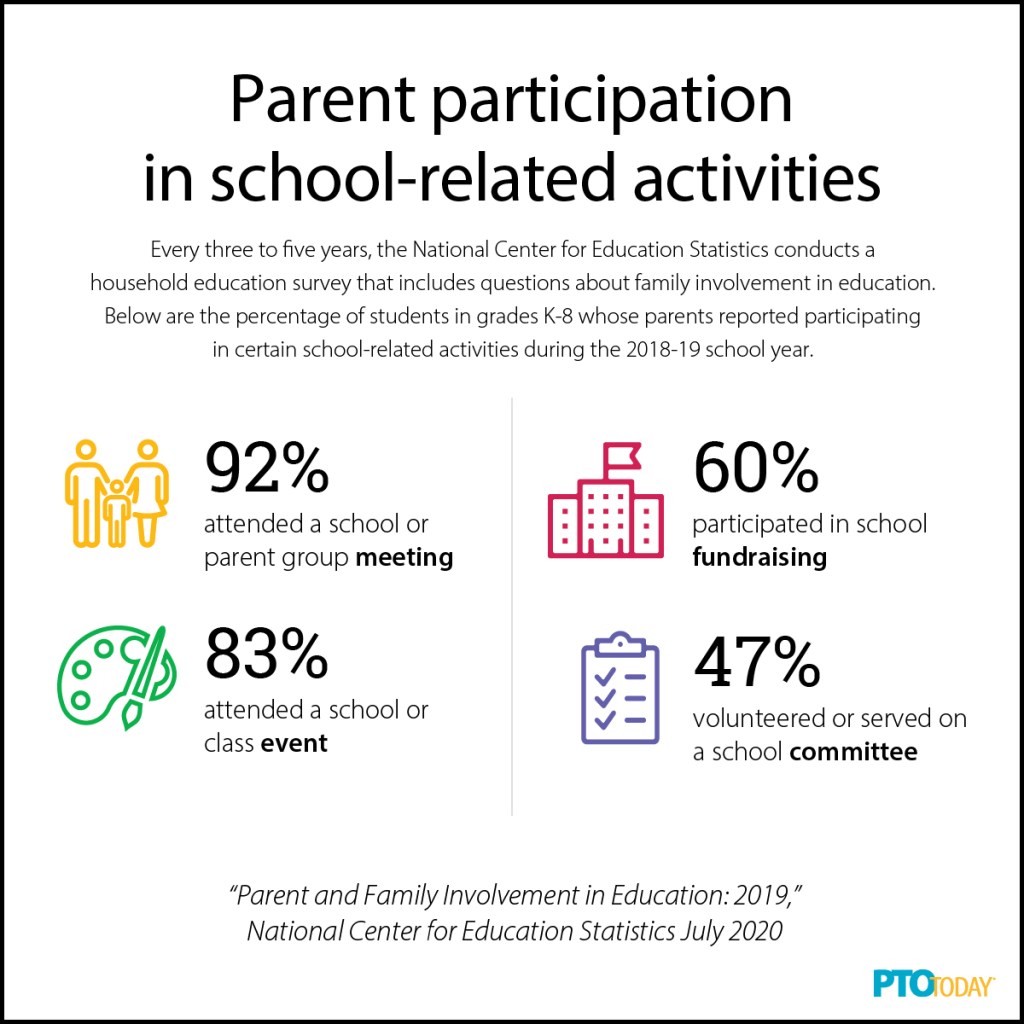
In a traditional school setting, parental involvement often revolves around attending parent-teacher conferences or supporting fundraising events organized by the Parent-Teacher Association (PTA). However, democratic schools take it a step further by actively involving parents in various aspects of school governance.
1. Decision-Making Participation:
One key aspect of democratic schooling is involving parents in decision-making processes alongside staff members and students. This can include participating in regular meetings where decisions about curriculum development or policy changes are made. Parents have an equal say with teachers and administrators regarding matters affecting their child’s education.
By offering input on important matters such as curriculum choices or disciplinary policies through these meetings or committees specifically designed for parental involvement (e.g., Parent Councils), parents can directly impact their child’s learning environment while actively contributing to shaping the overall direction of the school.
2. Volunteering:
Volunteering opportunities abound within democratic schools. Parents may choose to volunteer as classroom assistants or offer their expertise by leading workshops or sharing personal experiences during special projects related to specific subjects or areas of interest.
Volunteering not only allows parents to actively contribute to their child’s educational experience but also provides an opportunity for them to connect with other students and parents, fostering a sense of community within the school.
3. Parent Education:
Democratic schools often recognize that parent education is just as important as student education. Workshops, seminars, and training sessions are organized specifically for parents to help them better understand the underlying philosophy and principles of democratic schooling.
These educational opportunities equip parents with the knowledge and skills necessary to support their child’s learning journey effectively. By providing insight into topics such as conflict resolution, active listening techniques, or alternative teaching methods employed in the school, parents can better align their approach at home with what is happening in the classroom.
Benefits of Parent Involvement
Parent involvement in democratic schools brings forth numerous benefits for all stakeholders involved: students, parents themselves, teachers, and even the broader community.
1. Student Empowerment:
When parents actively participate in decision-making processes within a democratic school setting, it sends a powerful message to students – one that reinforces their autonomy and agency over their own education. Students witness firsthand how adults value their opinions while respecting individual rights and responsibilities.
This empowerment translates into increased motivation among students who feel heard and understood by both teachers and family members. As they become more engaged in shaping their own educational experiences through collaborative efforts with peers and adults alike, students develop critical thinking skills, problem-solving abilities, effective communication strategies, self-confidence, resilience – essential attributes for success beyond school walls.
2. Strengthening Home-School Partnership:
By involving parents directly in various aspects of school life beyond traditional volunteering roles or fundraising events alone creates stronger bonds between home and school settings. Parents gain deeper insights into daily activities at school while teachers have access to valuable perspectives from families regarding each student’s unique needs or interests.
This partnership facilitates smoother transitions between home and school environments since both settings align closely regarding expectations, values, and disciplinary approaches. Moreover, parents who actively participate in their child’s education are more likely to have open lines of communication with teachers and staff members – allowing for prompt interventions or support when needed.
3. Community Building:
Democratic schools emphasize community building as a fundamental principle. By encouraging parent involvement in decision-making processes, volunteering opportunities, and educational sessions, these schools foster a strong sense of belonging among all stakeholders.
Through collaborative efforts with other parents and school personnel, families become part of a supportive network where they can exchange ideas, share resources, celebrate achievements together while addressing challenges collectively. This sense of community extends beyond the immediate school environment and positively impacts the broader society by nurturing engaged citizens committed to social justice and participatory democracy.
In conclusion, parent involvement forms an integral part of democratic schooling philosophy. These alternative educational institutions recognize the value that parents bring to the learning ecosystem by involving them directly in decision-making processes alongside students and staff members. Through active participation in various aspects such as volunteering or attending educational workshops specifically designed for parents, families contribute to student empowerment while strengthening home-school partnerships and fostering vibrant communities within democratic schools.
 Alternative Amie
Leave a comment