Rubrics: A Tool for Assessing Learning in Alternative Education
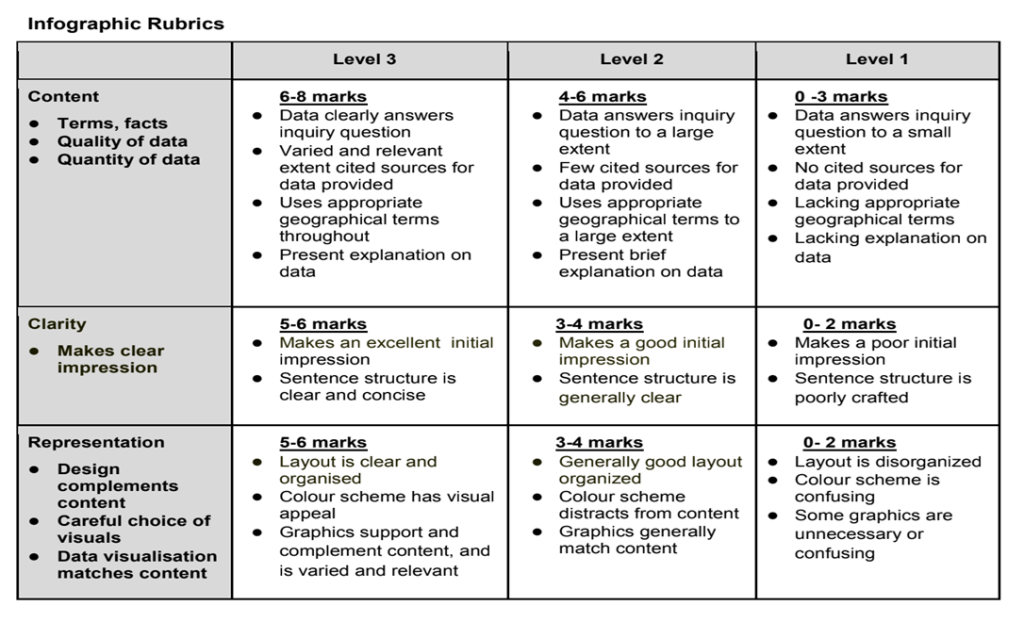
In the realm of alternative schooling and education, there is a growing emphasis on student-centered learning and non-traditional approaches to assessment. One such tool that has gained popularity is the use of rubrics. Rubrics provide a structured framework for evaluating student work based on predetermined criteria, allowing educators to assess complex skills and knowledge beyond traditional measures like multiple-choice tests or essays.
What Are Rubrics?
At its core, a rubric is a scoring guide that outlines expectations for different levels of performance on a specific task or assignment. It typically consists of a set of criteria and corresponding descriptions or indicators that define each level. These levels can range from basic proficiency to advanced mastery, depending on the complexity of the task being assessed.
Rubrics can take various forms, including analytic rubrics that break down performance into separate components or holistic rubrics that provide an overall score based on general impressions. The choice between these formats depends on the nature of the task and what aspects are most important to evaluate.
Why Use Rubrics in Alternative Education?
1. Clarity and Transparency:
One significant advantage of using rubrics is their ability to communicate clear expectations to students. By providing explicit criteria for success, students gain a deeper understanding of what they need to accomplish in order to achieve high-quality work. This transparency helps foster a sense of agency and ownership over their learning process.
2. Individualized Assessment:
Alternative education often focuses on personalized learning experiences tailored to individual students’ needs and interests. Rubrics allow educators to assess each student’s progress according to their unique goals while still maintaining consistent standards across all learners.
3. Authentic Assessment:
Traditional assessments may not fully capture the diverse range of skills developed through alternative educational approaches such as project-based learning, internships, or community service projects. Rubrics offer more nuanced evaluation methods by assessing real-world applications of knowledge rather than relying solely on recall or regurgitation of information.
4. Feedback and Growth:
Rubrics provide a valuable tool for educators to offer constructive feedback to students. By identifying specific areas of strength or improvement, rubrics encourage self-reflection and help learners understand their progress in relation to the desired outcomes. This feedback loop fosters a growth mindset where students can continuously refine their skills.
Designing Effective Rubrics
To ensure that rubrics effectively assess student learning in alternative education settings, careful consideration must be given to their design:
1. Clearly Defined Criteria:
The criteria within a rubric should be unambiguous and aligned with the intended learning outcomes. Ambiguous language or vague descriptors can lead to inconsistent interpretations by different assessors, undermining the reliability of the assessment.
2. Balanced Scoring Levels:
Rubrics should include multiple levels of performance that adequately represent different degrees of achievement. It is essential to strike a balance between challenging students while providing attainable standards for success at each level.
3. Authenticity and Relevance:
In alternative education, it is crucial for rubrics to reflect real-world contexts and tasks that are meaningful to students’ lives beyond the classroom walls. By aligning assessments with authentic situations, educators can foster deeper engagement and motivation among learners.
4. Flexibility for Creativity:
Alternative education often encourages creative thinking and problem-solving skills development. Rubrics should allow room for diverse approaches, acknowledging individual strengths and encouraging innovation rather than stifling creativity through rigid expectations.
Implementing Rubrics Effectively
While designing effective rubrics is critical, their implementation also plays a significant role in maximizing their impact on student learning:
1. Engage Students in the Process:
Including students in discussions about how rubrics are developed helps them understand the assessment process better and promotes ownership over their own learning journey.
2. Provide Exemplars:
Sharing examples of work at different levels of proficiency alongside the rubric helps clarify expectations further and provides concrete models for students to follow.
3. Adapt as Needed:
Rubrics should not be static documents but rather flexible tools that evolve and adapt along with the changing needs of students and instructional approaches. Regular review and revision can ensure their continued relevance and effectiveness.
4. Use Rubrics Holistically:
Rubrics are most effective when used alongside other assessment methods such as self-assessments, peer evaluations, portfolios, or student-led conferences. This holistic approach provides a more comprehensive understanding of student progress while encouraging metacognitive skills development.
Closing Thoughts
In alternative education settings, where innovation and individualized learning take center stage, rubrics offer a valuable tool for assessing complex skills beyond traditional measures. By providing clarity, promoting authenticity, encouraging feedback-driven growth, and reflecting real-world contexts, rubrics empower both educators and learners to embrace a more holistic approach to assessment. When thoughtfully designed and implemented in collaboration with students, rubrics can contribute significantly to fostering meaningful learning experiences within alternative education environments.
 Alternative Amie
Leave a comment