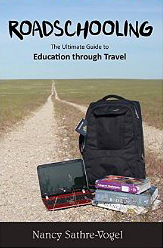
Strategies for Financially Sustainable Long-term Roadschooled Education Plans
Introduction:
Roadschooling, a form of alternative education, has gained popularity in recent years as families embrace the freedom and flexibility of learning on the road. However, one crucial aspect that requires careful consideration is maintaining a financially sustainable long-term roadschooled education plan. In this article, we will explore various strategies to ensure financial stability while providing an enriching educational experience for your children.
1. Budgeting and Financial Planning:
The first step in establishing a financially sustainable roadschooling plan is creating a comprehensive budget and financial plan. Consider all expenses involved in living on the road, including fuel costs, campground fees or RV park rentals, vehicle maintenance, insurance premiums, groceries, utilities if applicable (such as internet access), educational resources/materials, extracurricular activities fees or memberships (museums, zoos), and healthcare costs.
It’s essential to track your spending meticulously to identify areas where you can cut back and make adjustments if necessary. By having a clear understanding of your expenses and income sources at all times through regular budget reviews, you can effectively manage your finances.
2. Income Generation:
To sustain long-term roadschooling plans successfully, it’s crucial to have reliable income streams that can support your family’s lifestyle while also funding educational needs. Here are some viable options for generating income on the road:
Freelancing: Many parents choose freelancing as it offers flexibility in terms of work hours and location. Depending on their skillset, they can pursue freelance writing/editing jobs online or offer services such as graphic design or virtual assistance.
Remote Work: If you have skills that allow you to work remotely full-time or part-time with an established company or organization while traveling on the road—this can provide steady income.
Entrepreneurship: Consider starting a small business that aligns with your passion or expertise – whether selling products online, providing consulting services, or teaching specialized skills to others.
Passive Income: Explore opportunities for generating passive income streams through investments, rental properties, or creating digital products like e-books or online courses that can be sold repeatedly without requiring ongoing time and effort.
3. Utilize Free and Low-Cost Educational Resources:
Roadschooling doesn’t have to be expensive; there are numerous free or low-cost educational resources available that can supplement your children’s learning journey. Here are a few suggestions:
Online Educational Platforms: Take advantage of the vast array of online platforms offering free or affordable educational content such as Khan Academy, Coursera, TED-Ed, and YouTube’s educational channels.
Public Libraries: Utilize public libraries along your route to access books, audiobooks, ebooks, DVDs, and other educational materials at no cost. Many libraries also offer free Wi-Fi access if you require internet connectivity for research purposes.
Local Museums and Parks: Many museums offer discounted rates or even free days each month. Similarly, take advantage of national parks’ annual passes (America the Beautiful Pass) that allow unlimited access for a year with a single purchase price.
Community Engagement: Participate in local community events where your children can learn from hands-on experiences without any additional costs. Engaging with local communities provides unique cultural insights and fosters connections while broadening their knowledge base.
4. Seek Out Scholarships and Grants:
Scholarships and grants specifically designed for roadschooled students may provide financial assistance towards their education. Conduct thorough research on institutions or organizations that support alternative education methods like roadschooling. Websites such as Fastweb.com and Scholarships.com offer comprehensive databases where you can search for relevant scholarships based on specific criteria.
Additionally, explore grants offered by foundations focusing on education innovation or non-traditional learning approaches – they might be willing to support your long-term roadschooling plan financially.
5. Collaborative Learning Opportunities:
Engaging in collaborative learning opportunities not only enriches your children’s educational experience but also opens doors to cost-sharing arrangements. Consider joining or forming roadschooling co-ops, where families pool resources and expertise to create shared learning experiences.
Cooperatives can organize field trips together, share curriculum costs, or even hire tutors collectively. Additionally, by networking with other families on the road, you may discover new opportunities for group discounts on educational resources or services.
6. Embrace Minimalism:
Living a minimalist lifestyle is not only beneficial for the environment but can substantially reduce expenses while roadschooling. By simplifying your possessions and focusing on essential items, you can save money on storage fees if you have limited space in an RV or camper.
Moreover, practicing minimalism encourages mindful consumption – prioritizing experiences over material possessions – which aligns perfectly with the philosophy of roadschooling itself.
Conclusion:
Roadschooling offers unparalleled educational experiences for families seeking alternative education options. By implementing these strategies like budgeting effectively, generating income through various sources, utilizing free/low-cost educational resources wisely, seeking scholarships/grants where available, embracing collaboration with other roadschooled families and adopting a minimalist mindset – you can establish a financially sustainable long-term roadschooled education plan that will provide your children with an enriching journey of discovery and growth without breaking the bank.
 Alternative Amie
Leave a comment