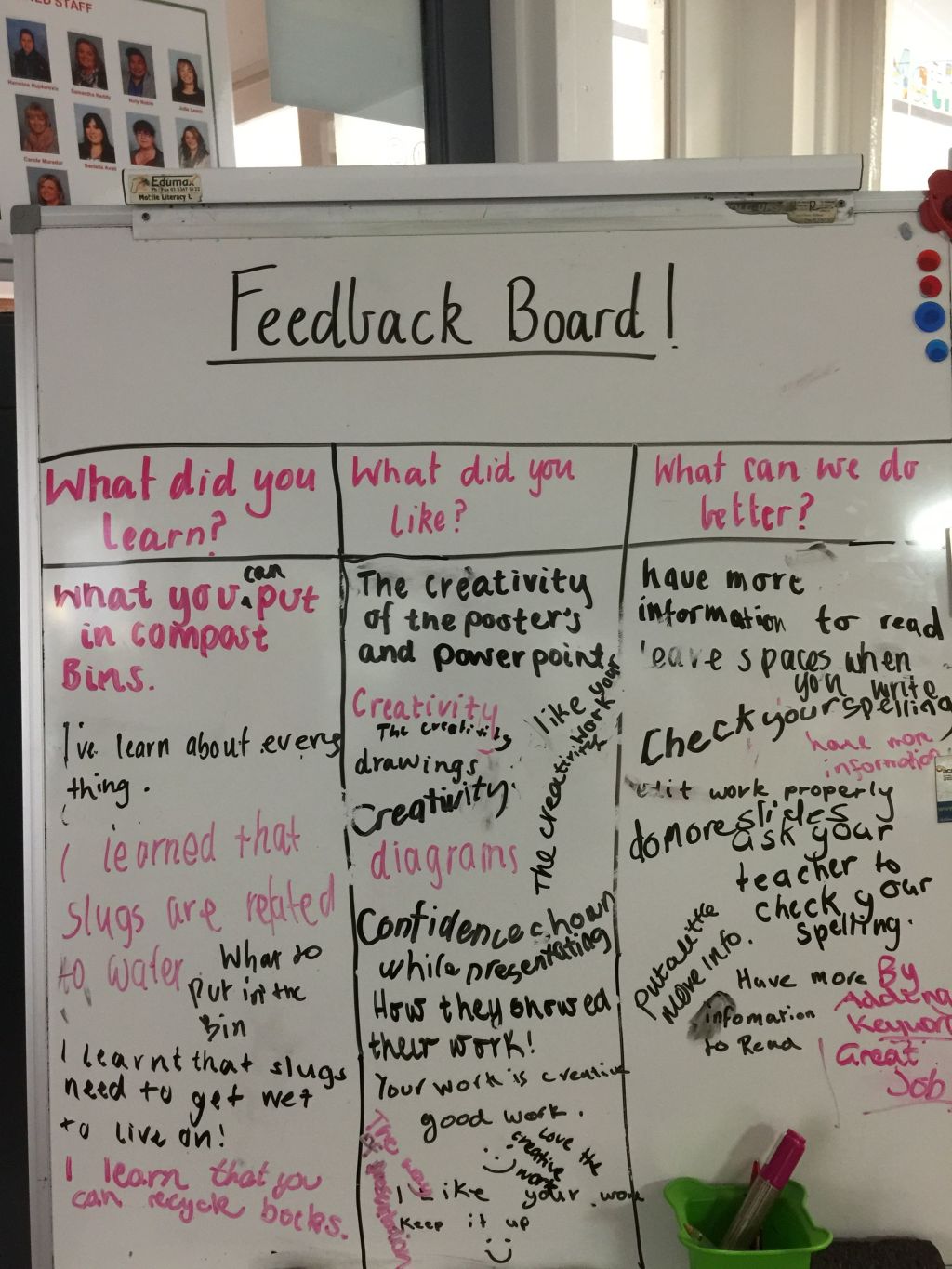
Peer Feedback in Alternative Schooling: Fostering Collaboration and Growth
Alternative schooling environments have gained popularity in recent years due to their emphasis on individualized learning, experiential education, and holistic development. These schools aim to provide a more flexible and inclusive approach to education that caters to the unique needs of each student. One crucial aspect of alternative schooling is the integration of peer feedback as a tool for collaboration and growth.
Traditional educational systems often rely heavily on teacher-led instruction and evaluation, with minimal opportunities for students to engage with one another’s work. In contrast, alternative schools recognize the importance of fostering a sense of community and collaboration among students. Peer feedback serves as an effective means for achieving this goal, allowing students to learn from one another in a supportive environment.
One significant advantage of peer feedback is that it promotes active learning by encouraging students to critically analyze their peers’ work while simultaneously reflecting upon their own. By engaging in constructive discussions about strengths, weaknesses, and potential improvements, students become more attentive observers and thinkers. This process not only enhances their understanding but also strengthens communication skills essential for future endeavors.
In alternative schooling settings where interdisciplinary projects are common, peer feedback plays an invaluable role in promoting cross-disciplinary understanding. Students from diverse backgrounds come together to share ideas and perspectives—providing insight that others may not have considered previously. Through this exchange of knowledge, learners develop a broader understanding of various subjects beyond what traditional classroom environments typically offer.
Moreover, peer feedback enables students to build empathy towards others’ struggles or challenges they might be facing academically or creatively. It fosters a supportive atmosphere where individuals feel safe sharing their work without fear of judgment or ridicule. By receiving constructive criticism directly from their peers rather than solely relying on teachers’ assessments, students gain valuable insights into multiple perspectives—an essential skill for personal growth even outside the realm of education.
Furthermore, alternative schools often prioritize real-world application over theoretical knowledge. Peer feedback reinforces this approach by simulating real-life scenarios where individuals collaborate, critique, and refine their work to meet high standards. This process helps students develop resilience, adaptability, and problem-solving skills necessary for success in future endeavors.
However, it is essential to establish clear guidelines and expectations when implementing peer feedback in alternative schooling environments. Teachers should provide structured frameworks to guide discussions and ensure that the feedback given is constructive rather than damaging. Additionally, educators must actively participate in these processes to offer guidance and support as needed.
In conclusion, peer feedback plays a pivotal role in alternative schooling environments by promoting collaboration, active learning, empathy-building, interdisciplinary understanding, and real-world application of knowledge. By integrating peer feedback into the educational framework of alternative schools, students can develop critical thinking skills while also fostering a sense of community among peers. As we continue to explore innovative approaches to education, recognizing the value of peer feedback becomes even more crucial in nurturing well-rounded learners ready to tackle challenges beyond the classroom walls.
 Alternative Amie
Leave a comment