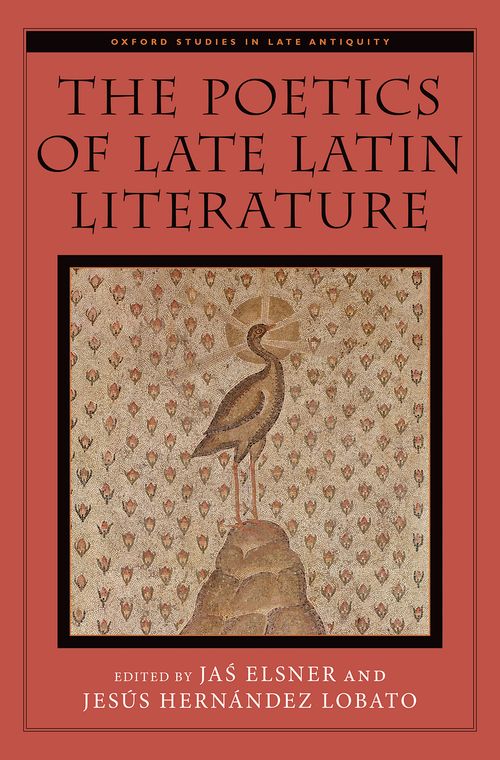
Latin literature is a rich and fascinating field that offers valuable insights into the ancient world. Whether you’re interested in history, mythology, philosophy, or simply enjoy great storytelling, exploring Latin literature can be a rewarding experience. In this article, we will provide an overview of Latin literature and offer some tips for diving into this captivating realm.
Latin literature spans over a thousand years, from the early days of Rome to the late antiquity period. It encompasses a wide range of genres including epic poetry, drama, philosophy, satire, and historical writings. Some of the most well-known works include Virgil’s “Aeneid,” Cicero’s speeches and philosophical treatises, Ovid’s “Metamorphoses,” and Seneca’s tragedies.
To start your journey into Latin literature, it is helpful to have some basic knowledge of Latin grammar and vocabulary. However, if you are new to the language or don’t have access to formal instruction in Latin, there are many excellent translations available that capture the essence of these works.
One approach to exploring Latin literature is by reading influential authors such as Virgil or Ovid. Virgil’s “Aeneid” is considered one of the greatest epic poems ever written and tells the story of Aeneas’ journey from Troy to Italy. Ovid’s “Metamorphoses” presents a collection of myths and legends filled with memorable characters like Narcissus and Medusa.
If you prefer plays rather than epics or myths, Roman playwrights like Plautus or Terence can offer delightful comedic relief. Their works often revolve around mistaken identities and romantic entanglements while providing social commentary on Roman society.
For those interested in philosophical texts that delve deeper into moral dilemmas and ethical questions prevalent during ancient times,seneca’s tragedies can be enlightening reads.Seneca was also known for his essays on Stoic philosophy which explored topics such as control over one’s emotions and the pursuit of virtue.
Another way to approach Latin literature is by exploring specific themes or periods. For example, you might want to explore the works of Roman historians like Livy or Tacitus if you’re interested in learning more about ancient Rome’s political and military history. If mythology intrigues you, Ovid’s “Metamorphoses” offers a comprehensive collection of myths that will keep you engrossed for hours.
When reading Latin literature, it can be helpful to have access to annotations or commentaries that provide historical context, explanations of cultural references, and linguistic aids. These resources can enhance understanding and make the reading experience more enjoyable.
In conclusion, delving into Latin literature is an enriching experience that allows us to connect with the past and gain insights into different aspects of ancient Roman culture. Whether you choose to read epic poems, plays, philosophical treatises, or historical accounts – there is something for everyone in this vast literary tradition. So grab a translation or dust off your Latin textbooks and embark on a journey through time with these timeless works of art!
 Alternative Amie
Leave a comment