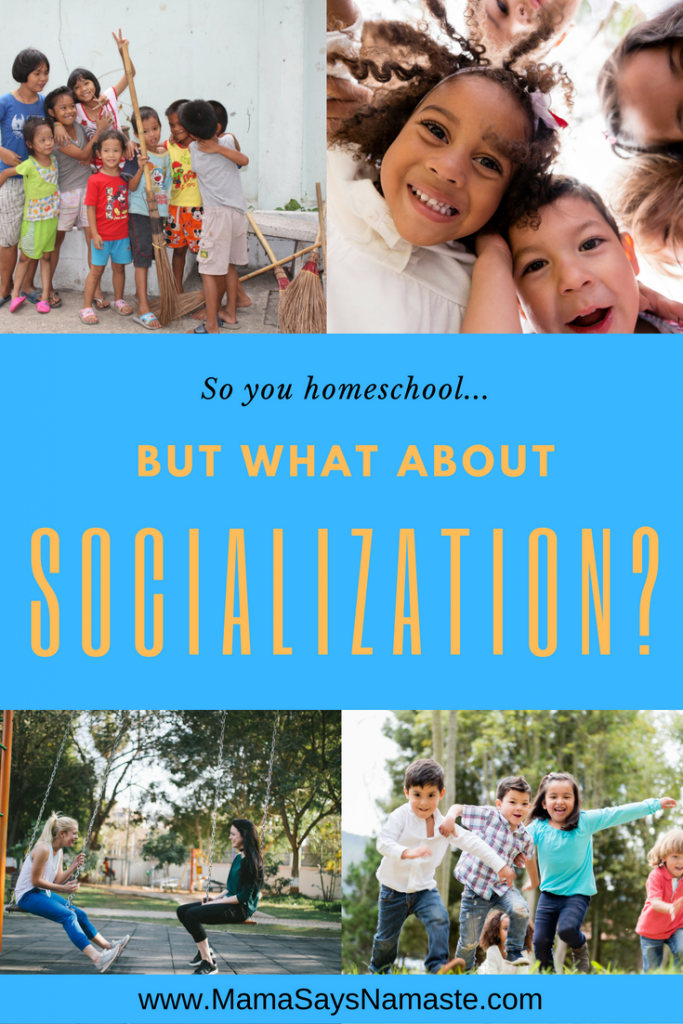
Unschooling and Socialization
Unschooling, a form of alternative education, has gained popularity in recent years. It is based on the belief that children learn best when they are allowed to pursue their own interests and passions, rather than following a traditional curriculum. One common concern raised about unschooling is the issue of socialization. Critics argue that unschooled children may lack opportunities to interact with peers and develop important social skills. However, proponents of unschooling believe that children can still develop strong social skills through various avenues.
Unschoolers often engage in community activities and classes outside the home, providing ample opportunities for interaction with peers. They participate in sports teams, music lessons, dance classes, and other extracurricular activities where they can meet and interact with other children who share similar interests. These experiences allow them to build friendships and develop valuable social skills such as teamwork, cooperation, communication, and conflict resolution.
Additionally, many unschoolers actively seek out local homeschool groups or cooperatives where like-minded families come together for educational outings or group projects. These gatherings provide an environment conducive to building relationships with other homeschoolers of different ages and backgrounds.
Another aspect of unschooling that contributes to socialization is the freedom for children to engage in unstructured playtime with siblings or neighborhood friends. Unencumbered by strict schedules or academic pressures imposed by traditional schooling systems, unschooled children have more time for imaginative play and self-directed activities that foster creativity while also developing vital interpersonal skills.
In contrast to conventional schools where interactions mostly occur within age-segregated classrooms throughout most of the day, unschooled children have the opportunity to engage with people from diverse age groups on a regular basis. This exposure leads them to become comfortable conversing with individuals older or younger than themselves—a skill valued in real-world situations beyond school walls.
Furthermore, technology plays a significant role in bridging gaps between socially isolated unschoolers. Online platforms like forums, social media groups, and virtual communities provide opportunities for unschooled children to connect with peers who share common interests or passions from around the world. These digital spaces facilitate discussions, collaborations, and friendships that might not have been possible otherwise.
In conclusion, while concerns about socialization are often raised when discussing unschooling, it is clear that there are numerous avenues through which unschooled children can develop strong social skills and interact with their peers. Unschoolers have access to various community activities, homeschool groups/cooperatives, unstructured playtime with siblings or neighborhood friends, interactions with individuals of different age groups, and online platforms for connecting with like-minded peers. By actively seeking out these opportunities and embracing the freedom inherent in unschooling, children can cultivate valuable social skills while pursuing their own educational paths.
 Alternative Amie
Leave a comment