Mnemonics: Unlocking the Power of Memory in Alternative Education
In alternative schooling and education, finding effective methods to enhance learning and memory is crucial. One such method that has proven to be highly successful is the use of mnemonics.
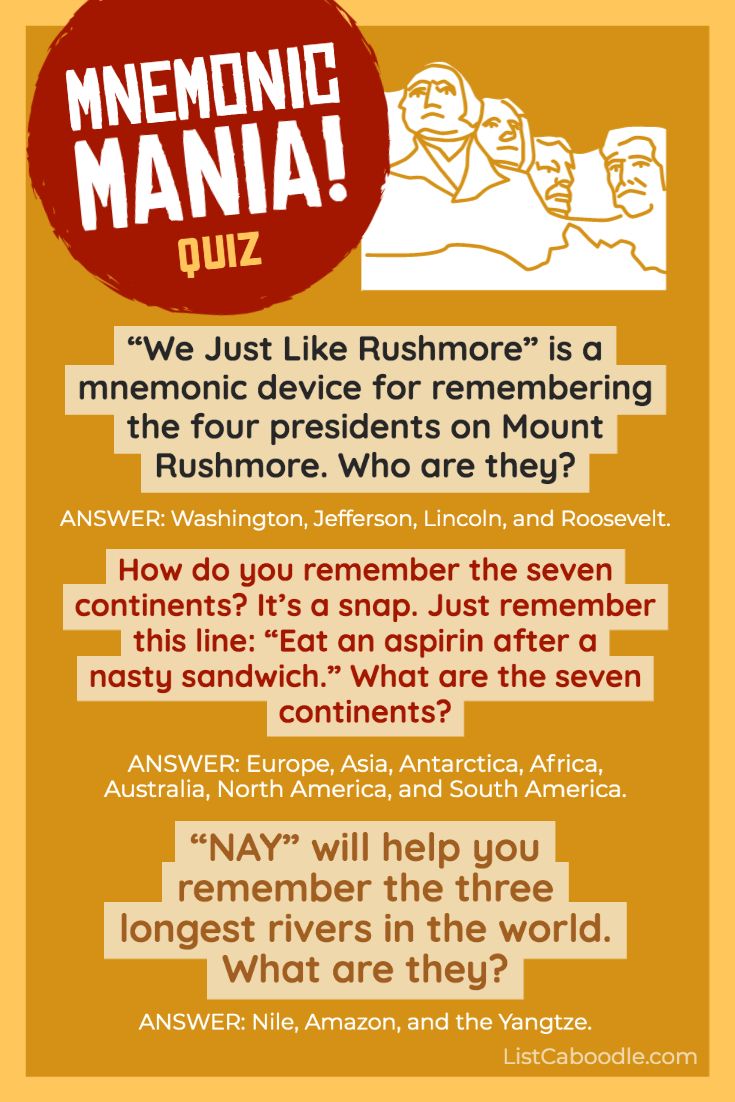
Mnemonics are memory aids or techniques that help individuals remember information more easily. By associating new information with familiar concepts or creating vivid mental images, mnemonics make it easier for students to retain and recall knowledge.
One popular mnemonic technique is the “acronym” method. This involves creating a word or phrase using the first letter of each item you want to remember. For example, in music theory, students may use the acronym FACE to remember the notes on the spaces of a treble clef (F-A-C-E). This simple technique helps students quickly recall important facts during exams or assignments.
Another powerful mnemonic strategy is visualization. By creating mental images that connect to specific information, learners can better encode and retrieve knowledge. For instance, when memorizing historical dates, students can imagine themselves stepping into a time machine and witnessing key events firsthand.
The method of loci (also known as memory palace) is another valuable mnemonic tool for alternative education. It involves mentally placing items you wish to remember in specific locations along an imaginary route or within familiar settings like your home. As you mentally walk through these locations again later, it becomes easier to recall associated information accurately.
Additionally, rhymes and songs have long been used as mnemonic devices due to their rhythmic patterns. From nursery rhymes teaching basic math concepts to catchy tunes helping language learners with vocabulary acquisition, these musical mnemonics engage multiple senses simultaneously, aiding retention and recollection.
When implementing mnemonics in alternative education settings, it’s essential for educators and parents alike to tailor them according to individual learning styles and preferences. Some learners might respond better to visual cues while others may find auditory associations more effective. Experimenting with different mnemonic techniques and finding the one that works best for each student can significantly enhance their learning experience.
In conclusion, mnemonics offer alternative education systems a powerful tool to boost memory retention and recall. By utilizing acronyms, visualization, the method of loci, or incorporating rhymes and songs into lessons, educators can help students retain information more easily. Mnemonic techniques not only facilitate knowledge acquisition but also make learning enjoyable and engaging. Incorporating these memory-enhancing strategies in alternative schooling can empower learners to excel academically while developing valuable lifelong skills for efficient information processing.
 Alternative Amie
Leave a comment