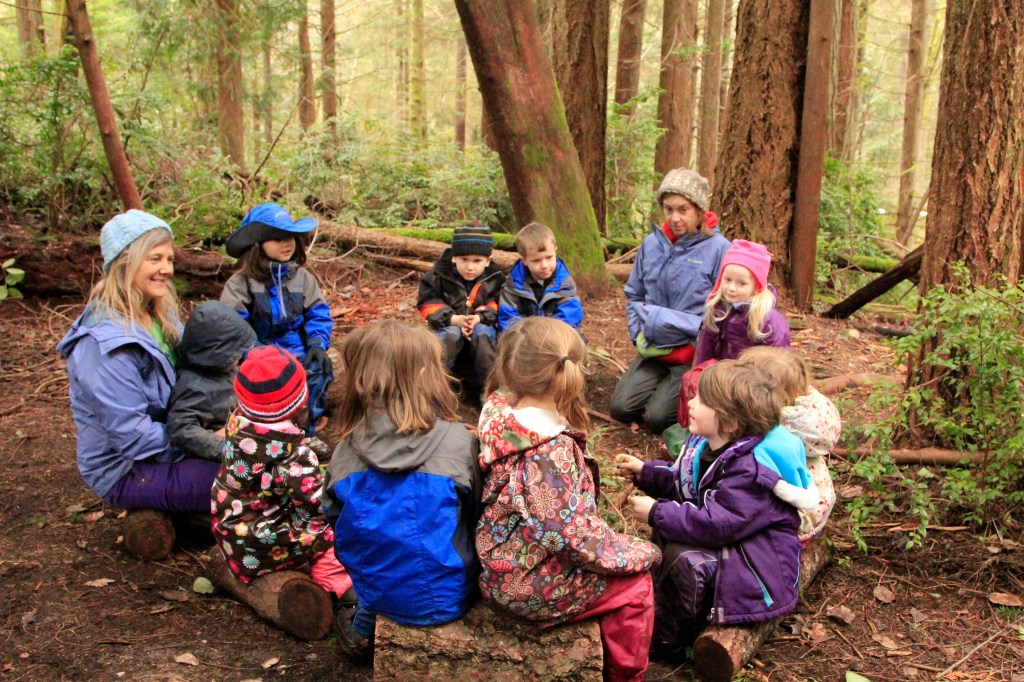
Natural Learning: A Case Study in Alternative Education
Introduction
In recent years, there has been a growing interest in alternative forms of education that prioritize the individual needs and interests of students. One such approach gaining popularity is natural learning, which focuses on allowing children to learn through their own curiosity and exploration. In this case study, we will delve into the experiences of a student named Sarah who attended a natural learning school and examine the impact it had on her educational journey.
Background
Sarah’s parents were dissatisfied with the traditional schooling system and sought an alternative approach for their daughter’s education. After extensive research, they came across a natural learning school nearby that aligned with their values. The school aimed to create an environment where children could explore subjects at their own pace, follow their passions, and develop critical thinking skills.
Curriculum Overview
Unlike conventional schools that have strict curricula dictated by standardized tests, natural learning schools provide students with more autonomy over what they choose to study. The curriculum is flexible and designed around each child’s unique interests and talents. This allows students like Sarah to pursue topics they are passionate about while still meeting essential learning objectives.
In Sarah’s case, she developed a keen interest in marine biology after watching documentaries about different sea creatures at home. At her natural learning school, she was able to dive deep into this subject by conducting independent research projects on various marine species under the guidance of teachers who served as mentors rather than lecturers.
Learning Environment
One key aspect of natural learning environments is creating spaces that foster creativity and collaboration among students. Sarah’s school achieved this by providing open classrooms with movable furniture that encouraged group work and discussions. There were also dedicated areas for hands-on activities like art studios, science labs, and gardens where children could engage in practical experiments or cultivate plants.
Instead of rigid class schedules filled with back-to-back lectures, Sarah’s daily routine involved self-directed activities interspersed with regular check-ins with her teachers. This allowed her to manage her own time and take responsibility for her learning, promoting self-discipline and time management skills.
Assessment and Evaluation
Traditional education often relies heavily on standardized tests to evaluate a student’s progress. In natural learning schools, however, assessment takes on a more holistic approach. Rather than focusing solely on test scores, Sarah’s school used various methods to assess her growth and understanding.
Sarah’s progress was evaluated through ongoing observations by teachers who maintained detailed portfolios documenting her projects, presentations, and reflections. She also participated in regular meetings where she could discuss her achievements and goals with both teachers and peers. This form of evaluation not only provided feedback but also fostered a sense of accountability within Sarah as she learned to articulate the value of her work.
Social Interaction
One concern often raised about alternative forms of education is whether students receive adequate socialization opportunities. Natural learning schools address this by fostering an inclusive community that encourages collaboration among students from different age groups.
In Sarah’s case, she had the opportunity to work alongside older students who shared similar interests in marine biology. These interactions allowed her to gain insights from their experiences while also developing mentorship relationships that boosted her confidence and motivation.
Real-World Application
A distinctive feature of natural learning is its emphasis on real-world application of knowledge. Rather than confining education within classroom walls, Sarah’s school encouraged field trips and community engagement activities that connected what she learned in textbooks with practical experiences.
As part of a project on environmental conservation, Sarah collaborated with local organizations working towards protecting marine ecosystems. This involved collecting data at the beach, attending workshops led by scientists, and organizing awareness campaigns within the community. Through these experiences, Sarah developed not only subject-specific knowledge but also valuable skills such as problem-solving abilities and empathy towards environmental issues.
Results
After several years attending a natural learning school, Sarah exhibited significant personal growth academically as well as socially. She developed a strong sense of self-motivation and became an independent learner who actively sought out information and resources to further her knowledge.
Sarah’s parents noticed a notable shift in her attitude towards education. She had become more engaged, curious, and confident in expressing her ideas. Furthermore, Sarah’s ability to apply what she learned to real-world situations was evident in her projects and community involvement initiatives.
Conclusion
The case study of Sarah provides valuable insights into the benefits of natural learning as an alternative form of education. By prioritizing student autonomy, creating flexible curricula, fostering collaborative environments, and emphasizing real-world application, natural learning schools empower students to become active learners who are well-prepared for the challenges that lie ahead.
While this case study showcases one student’s experience, it is important to acknowledge that each child is unique, and alternative educational approaches may not suit everyone. However, by embracing the principles of natural learning alongside other pedagogical methods, educators can create inclusive spaces where children can thrive academically while nurturing their individual passions and talents.
 Alternative Amie
Leave a comment