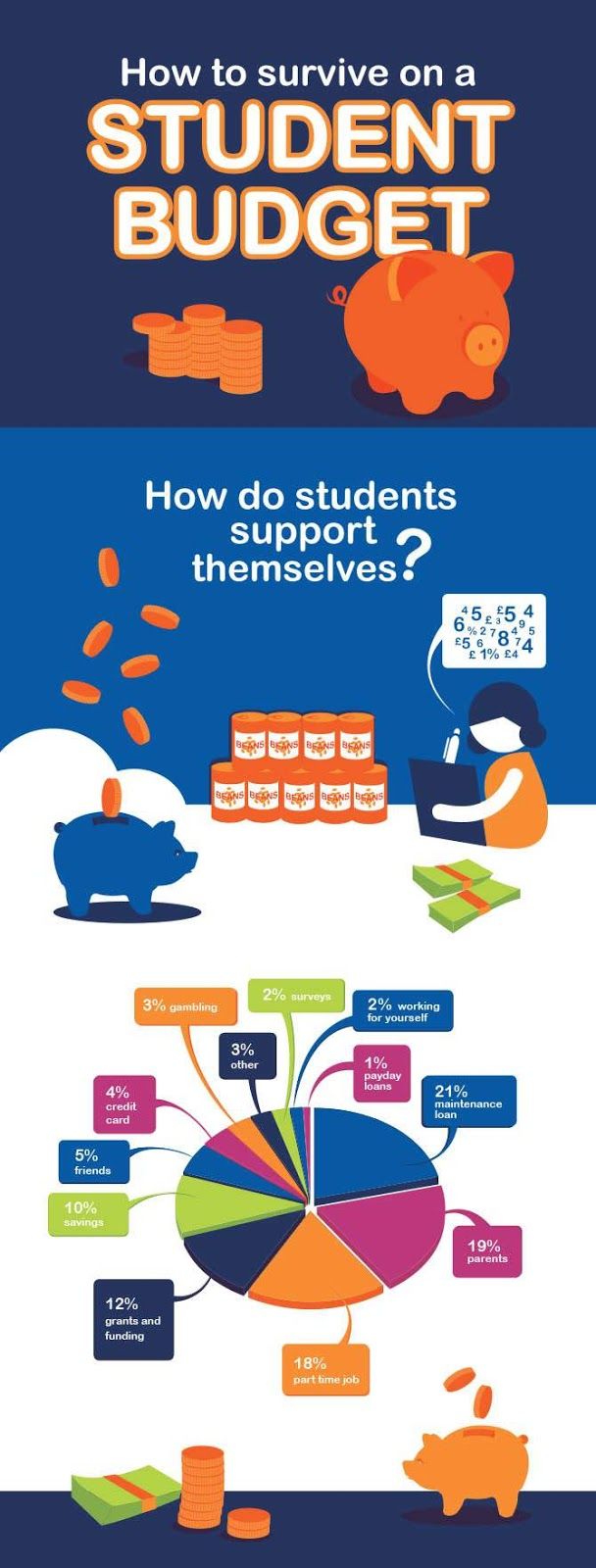
Budgeting is a crucial skill that everyone should learn, regardless of their age or background. It helps individuals take control of their finances and make informed decisions about spending and saving money. For alternative schooling and education students, budgeting is even more important as they often have unique financial circumstances or goals. In this post, we will explore the benefits of budgeting for alternative schooling and education students and provide some tips on how to create an effective budget.
One of the main advantages of budgeting for alternative schooling and education students is that it allows them to allocate funds wisely. Many alternative schools or programs may come with additional costs such as tuition fees, textbooks, or specialized equipment. By creating a budget, students can plan ahead and set aside enough money to cover these expenses without negatively impacting other areas of their lives.
Additionally, budgeting teaches alternative schooling and education students valuable life skills such as discipline, organization, and responsibility. It requires individuals to track their income and expenses regularly, which helps develop good financial habits early on. These skills are transferable beyond the realm of personal finance; they can be applied in various aspects of life such as time management or project planning.
Budgeting also promotes financial independence among alternative schooling and education students by giving them a sense of control over their own finances. Rather than relying solely on parents or guardians for monetary support, having a well-planned budget empowers students to manage their own resources effectively. This not only fosters self-reliance but also encourages critical thinking when it comes to making financial decisions.
To create an effective budget as an alternative schooling student, start by determining your sources of income. This could include allowances from parents/guardians if applicable or part-time jobs if you’re able to work while studying. Next, list all your fixed expenses such as tuition fees or monthly subscriptions for educational resources like online courses or study materials.
Once you’ve accounted for fixed expenses, consider variable costs such as transportation, food, and entertainment. It’s important to strike a balance here – while it’s essential to have some room for leisure activities, be mindful of overspending in this category.
After estimating your expenses, compare them with your income. If there’s a surplus, consider saving or investing the extra money for future use. On the other hand, if there’s a deficit, you may need to reevaluate your spending habits and find areas where you can cut back on expenses.
Budgeting also allows alternative schooling and education students to set financial goals. Whether it’s saving up for college tuition or funding an educational trip abroad, having a budget helps prioritize these objectives and work towards achieving them. By breaking down larger goals into smaller achievable targets within the budget plan, students can see progress over time and stay motivated.
Lastly, reviewing and adjusting your budget regularly is essential for its effectiveness. As circumstances change or when unexpected expenses arise (as they often do), revisiting your budget allows you to make necessary adjustments accordingly. This flexibility ensures that your budget remains accurate and relevant throughout different stages of your alternative schooling journey.
In conclusion, budgeting is an invaluable skill for alternative schooling and education students. It empowers individuals by giving them control over their finances while instilling discipline and responsibility early on in life. By creating an effective budget tailored to their unique circumstances, students can allocate funds wisely while working towards their financial goals. So don’t wait any longer – start budgeting today!
 Alternative Amie
Leave a comment