Food and Nutrition: A Vital Component of Alternative Schooling
When it comes to alternative schooling and education, there are many factors to consider for a well-rounded learning experience. While academic subjects, creativity, and critical thinking skills often take center stage, we must not overlook the importance of food and nutrition in supporting students’ overall development.
Proper nutrition plays a crucial role in children’s physical health and mental well-being. Eating a balanced diet provides the necessary nutrients for growth, energy, cognitive function, and immune system support. This is especially important during the formative years when students are actively learning new concepts and navigating various challenges.
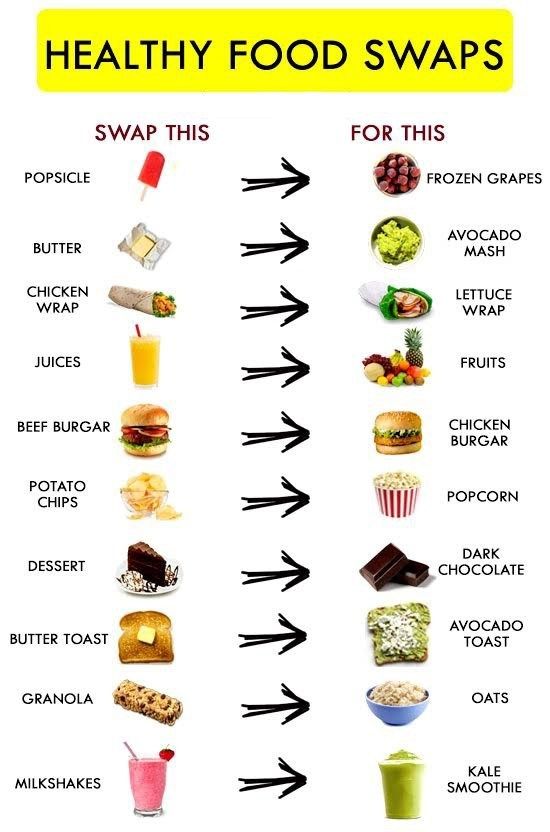
Alternative schools can prioritize healthy eating habits by providing nutritious meals on campus or educating families about making wholesome choices at home. Incorporating fresh fruits, vegetables, whole grains, lean proteins, and dairy products into daily meals ensures that students receive essential vitamins (such as A, C) minerals (like iron and calcium), fiber for digestion, healthy fats for brain function, and protein for muscle development.
Moreover, teaching children about food sources can instill an appreciation for nature’s bounty. Engaging them in activities like gardening or farm visits can deepen their understanding of where their food comes from while fostering environmental consciousness.
Adequate hydration is equally important in maintaining optimal physical performance throughout the day. Encouraging students to drink enough water helps prevent dehydration-related fatigue or concentration difficulties that might hinder their learning progress.
In addition to physical health benefits, proper nutrition also impacts cognitive abilities. Omega-3 fatty acids found in fish oils contribute to brain development and improved memory retention. Foods rich in antioxidants like blueberries protect against oxidative stress which may enhance memory recall.
Furthermore, alternative schools should address specific dietary needs such as allergies or intolerances among their student population—offering suitable alternatives without compromising taste or quality.
Educating students about healthy eating habits goes beyond just providing nourishing meals; it involves cultivating a positive relationship with food. Teaching them to listen to their bodies’ hunger and fullness cues, encouraging mindful eating practices, and promoting a positive body image are essential components of a comprehensive nutrition program.
Integrating food and nutrition education within alternative schooling not only supports students’ physical health but also promotes their overall well-being. By prioritizing nutritious meals, understanding where food comes from, and fostering healthy attitudes towards eating, alternative schools can empower students to make informed choices that positively impact their lives beyond the classroom.
 Alternative Amie
Leave a comment