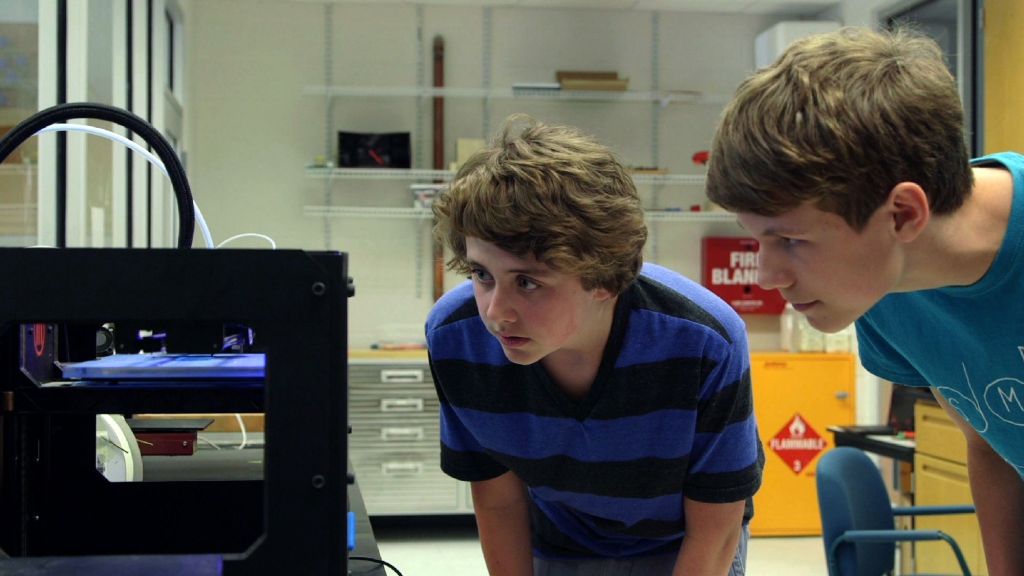
Maker education has gained tremendous popularity in recent years, and for good reason. This innovative approach to learning emphasizes hands-on, experiential activities that encourage students to create, design, and build. By giving children the tools and freedom to explore their own interests and ideas, Maker education fosters creativity, critical thinking skills, and a love for learning.
One of the key benefits of Maker education is its ability to engage students in a way that traditional classroom instruction often fails to do. By allowing children to take ownership of their learning process, they become active participants rather than passive recipients of knowledge. Through hands-on projects like building robots or designing circuits, students are able to see the direct application of what they learn in real-world contexts. This not only enhances their understanding but also ignites their curiosity and motivation.
In addition to fostering creativity and engagement, Maker education also promotes problem-solving skills. When faced with a challenge or obstacle during a project, students are encouraged to think critically and come up with innovative solutions. This process helps them develop resilience and adaptability as they learn from trial-and-error experiences. Unlike traditional teaching methods where there is often only one correct answer or solution, Maker education encourages multiple approaches and celebrates the diversity of ideas.
Another notable aspect of Maker education is its emphasis on collaboration and teamwork. Many projects require students to work together in groups or pairs, fostering communication skills, empathy towards others’ perspectives, compromise abilities while brainstorming ideas or troubleshooting challenges as a team.
Furthermore promoting STEM (science technology engineering math) subjects which have been traditionally considered dry & dull through theoretical texts into exciting practical applications is another significant advantage of maker-based learning methodologies . Students get an opportunity not just understand scientific principles but put them into practice through experiments thereby making concepts more understandable & relatable .
Additionally , maker-education can help bridge the gap between school curriculum & real-world applications by showcasing practical examples through various DIY projects . For example , a physics class can be supplemented with building a simple pendulum or illustrating the principles of aerodynamics by creating paper airplanes .
Maker education also encourages students to develop important life skills such as perseverance, patience, and problem-solving. As they work on complex projects that may require multiple iterations and adjustments, children learn to embrace failure as an opportunity for growth. They develop a growth mindset, understanding that mistakes are part of the learning process and should not deter them from trying again.
Lastly , the freedom provided in maker-education fosters imagination & innovation . By allowing students to explore their own interests and passions, Maker education helps cultivate an entrepreneurial spirit. Students are encouraged to think outside the box, take risks, and dream big. This mindset empowers them to become independent thinkers who are unafraid of challenging conventions or pursuing unconventional ideas.
In conclusion , Maker education offers a refreshing alternative to traditional schooling methods by focusing on hands-on experiences that engage students in meaningful ways. By fostering creativity, critical thinking skills, collaboration, problem-solving abilities and developing life skills such as perseverance and innovation , this approach equips students with essential tools for success in today’s rapidly changing world. Whether it is through building robots or designing circuits , maker education provides an invaluable platform for children to discover their passions while honing crucial 21st-century skills.
 Alternative Amie
Leave a comment