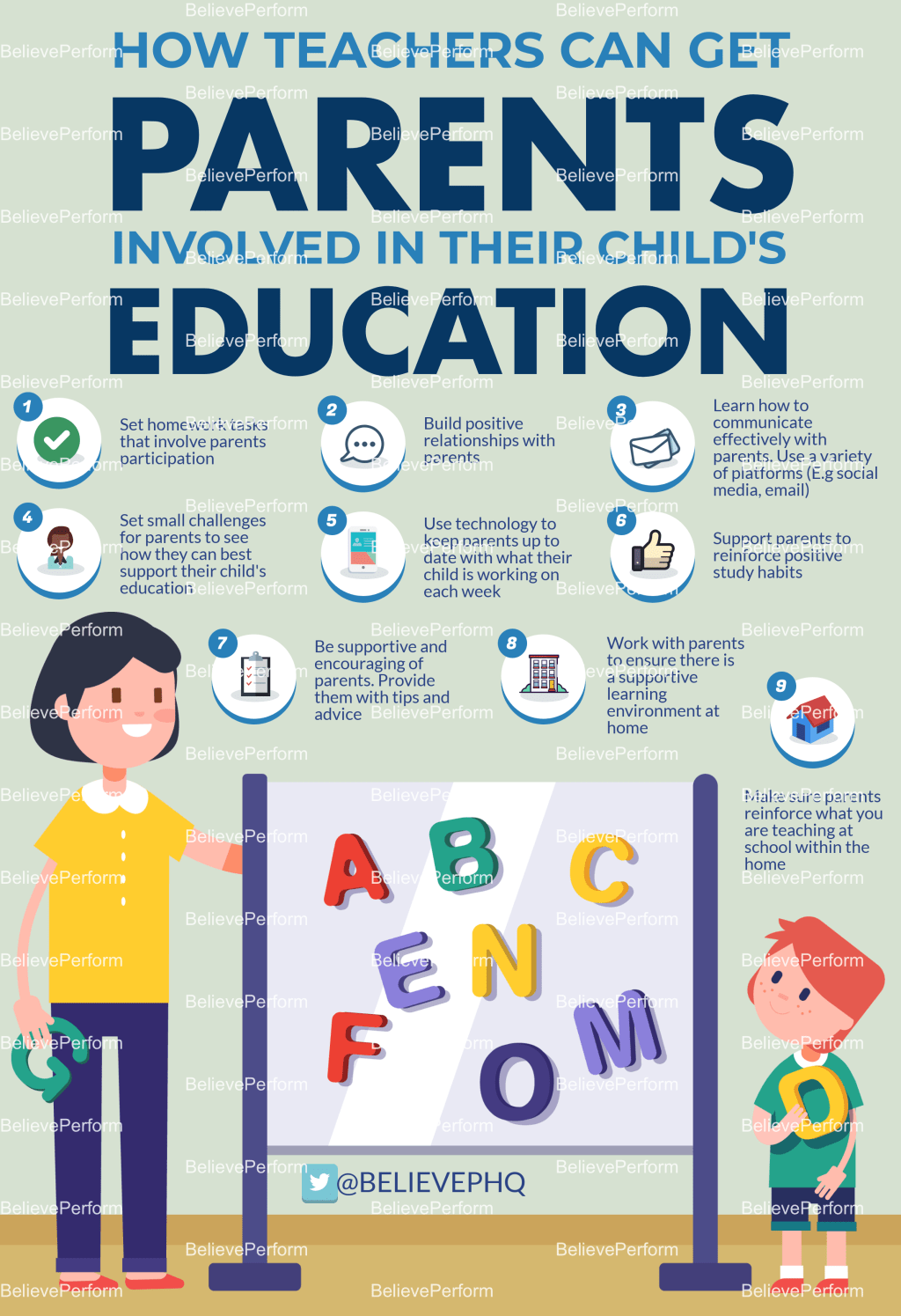
Parent involvement is an essential factor in a child’s education and overall development. When parents actively participate in their child’s schooling, it can lead to improved academic performance, increased motivation, enhanced social skills, and better communication between home and school. In this article, we will explore the top 15 ways parents can get involved in their child’s education.
1. Establish open lines of communication: Regularly communicate with your child’s teachers to stay informed about their progress and any issues that may arise. Attend parent-teacher conferences, join parent-teacher organizations (PTOs), or volunteer at school events to foster a strong relationship with educators.
2. Create a supportive learning environment at home: Provide a quiet space for studying and completing homework assignments. Encourage regular reading habits by having books readily available at home. Engage in discussions about what they are learning and help them connect classroom lessons to real-life experiences.
3. Set high expectations: Encourage your child to strive for excellence by setting high but realistic expectations for their academic performance. Discuss goals together and provide support when needed while also allowing them autonomy over their own learning process.
4. Monitor homework completion: Ensure that your child completes assignments on time by establishing a routine where you check their work regularly or discussing upcoming due dates with them.
5. Get involved in extracurricular activities: Encourage participation in extracurricular activities such as sports teams, clubs, or arts programs offered at school or within the community. This involvement helps develop teamwork skills, builds confidence, and strengthens relationships with peers outside of the classroom.
6. Volunteer at school events: Offer your time as a volunteer during field trips, fundraisers, book fairs, or other school events where additional assistance is needed. This demonstrates your commitment to supporting the educational community while giving you an opportunity to see firsthand how your child interacts within the school environment.
7. Attend workshops and seminars: Take advantage of any educational workshops or seminars offered by the school. These sessions can provide valuable insights into various teaching methods, learning strategies, and ways to support your child’s education.
8. Help with classroom activities: Offer to assist teachers during classroom activities such as reading aloud to students, organizing materials, or preparing art projects. This involvement allows you to interact with other children in the class and gain a better understanding of the curriculum.
9. Join or start a parent study group: Collaborate with other parents to form a study group where you can discuss educational topics, share resources, and offer support for each other’s children. This collective effort fosters a sense of community and provides an opportunity for parents to learn from one another.
10. Support healthy habits: Encourage healthy eating habits by packing nutritious lunches and snacks for your child. Promote regular physical activity by involving them in sports or outdoor playtime after school hours. Good health contributes to improved concentration, focus, and overall academic performance.
11. Advocate for your child’s needs: Be proactive in advocating for necessary accommodations if your child has specific learning needs or requires additional support services at school. Attend Individualized Education Program (IEP) meetings if applicable and collaborate with educators on creating an optimal learning environment tailored to their individual requirements.
12. Engage in cultural enrichment: Expose your child to diverse cultures through visits to museums, exhibits, performances, or festivals that celebrate different traditions and customs. This broadens their perspective beyond the classroom walls while encouraging tolerance and appreciation for diversity.
13. Encourage independent thinking: Foster critical thinking skills by engaging in discussions that challenge your child’s thoughts and opinions respectfully. Encouraging them to question ideas helps develop analytical skills that will be beneficial throughout their lives.
14. Stay informed about education policies: Keep yourself updated on local education policies so that you are aware of any changes that may impact your child’s schooling experience directly or indirectly. Engage with school boards or local education authorities to voice your concerns or support initiatives that improve educational opportunities.
15. Be a positive role model: Lead by example and demonstrate the importance of lifelong learning. Show enthusiasm for acquiring new knowledge, engage in reading, explore new hobbies, and discuss your own educational experiences with your child. Modeling a love for learning encourages them to adopt the same attitude towards their education.
Parent involvement significantly influences a child’s academic success and overall well-being. By implementing these 15 strategies, parents can actively contribute to their child’s educational journey while fostering a sense of collaboration between home and school. Remember that each child is unique, so adapt these suggestions to suit your family’s specific needs and circumstances.
 Alternative Amie
Leave a comment