Maintaining Motivation and Engagement in a Hybrid Homeschool Setting
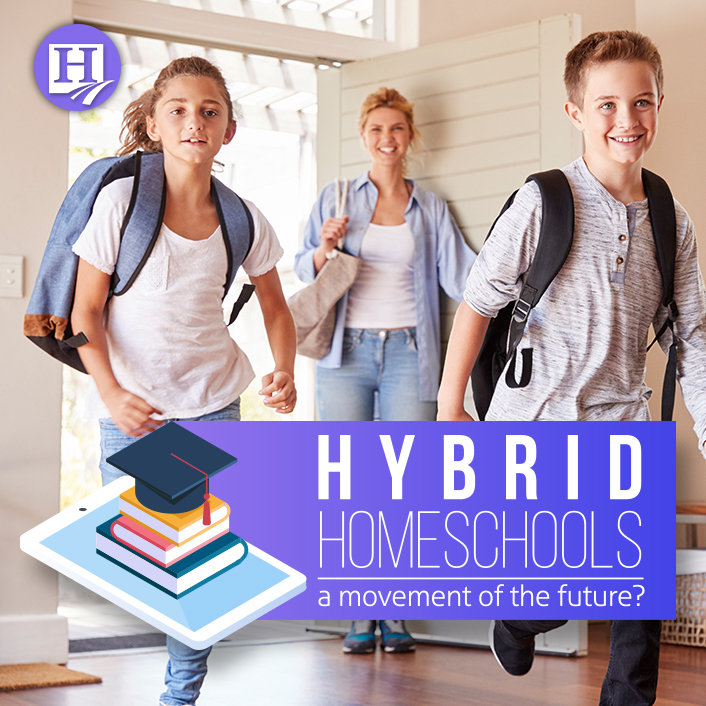
Hybrid homeschooling, which combines traditional homeschooling with part-time attendance at a physical school or enrollment in online courses, has become an increasingly popular option for families seeking alternative forms of education. While hybrid homeschooling offers flexibility and personalized learning, it also presents unique challenges when it comes to maintaining motivation and engagement.
In a hybrid homeschool setting, students often have greater autonomy over their learning experiences compared to traditional schooling. However, this independence can sometimes lead to a lack of structure and discipline. To combat this issue, parents and educators need to actively foster motivation and engagement through various strategies.
Firstly, setting clear goals is essential in maintaining motivation. Whether it’s completing assignments or mastering specific skills, having well-defined objectives helps students stay focused on their learning journey. Parents should work closely with their children to establish realistic goals that align with their interests and aspirations. Regular check-ins can help track progress towards these goals while providing opportunities for discussions about potential roadblocks or necessary adjustments.
Secondly, creating a stimulating environment is vital for sustaining engagement. Designating a dedicated study space within the home that is free from distractions can significantly contribute to productivity levels. This area should be equipped with necessary materials such as books, technology devices, art supplies—whatever tools are needed for the child’s educational pursuits.
In addition to the physical environment, incorporating interactive teaching methods can enhance student engagement during lessons. Utilizing multimedia resources like videos or virtual field trips adds variety and excitement to the curriculum. Integrating hands-on activities wherever possible allows students to apply theoretical concepts practically—a powerful incentive for active participation.
Another crucial factor in maintaining motivation is fostering social connections among hybrid homeschoolers. Traditional schools offer ample opportunities for social interaction among peers; however, hybrid homeschooled children may miss out on these experiences if not proactively addressed by parents and educators.
Organizing regular meetups or playdates with other hybrid homeschoolers can help alleviate feelings of isolation and provide a sense of belonging. Additionally, exploring extracurricular activities outside the home, such as joining sports teams or clubs, allows students to develop social skills while pursuing their passions.
Furthermore, parents and educators should encourage self-reflection and goal setting by involving students in the decision-making process regarding their education. Giving them a voice in choosing subjects or projects fosters a sense of ownership over their learning journey. This empowerment can significantly impact motivation levels as students feel more invested in their education.
To maintain engagement, it is crucial to keep learning experiences varied and dynamic. Incorporating real-world connections into lessons helps students understand the relevance of what they are studying. Field trips to museums, science centers, or local community events can provide valuable hands-on experiences that bring concepts to life.
Additionally, embracing technology tools and online platforms expands learning opportunities beyond traditional textbooks. Virtual simulations or educational apps allow for interactive exploration and personalization of the curriculum based on individual interests and strengths.
Lastly, celebrating achievements is essential for maintaining motivation in a hybrid homeschool setting. Recognizing milestones reached or goals accomplished boosts confidence levels while reinforcing the value of hard work. Whether it’s through verbal praise, certificates, or special rewards like outings or small treats—acknowledging progress encourages continued efforts.
In conclusion, maintaining motivation and engagement in a hybrid homeschool setting requires intentional effort from parents and educators alike. Clear goal-setting strategies combined with stimulating environments foster active participation from students. Nurturing social connections among peers helps combat potential feelings of isolation often associated with hybrid homeschooling. By incorporating interactive teaching methods and recognizing achievements along the way, families can create an enriching educational experience that keeps learners motivated throughout their hybrid homeschooling journey
 Alternative Amie
Leave a comment