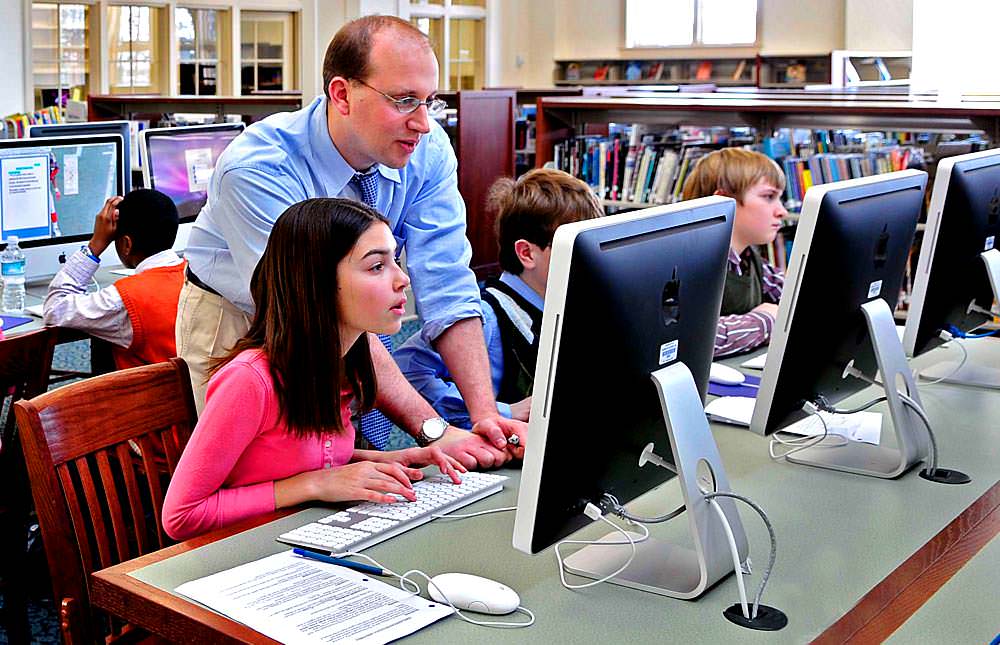
Technology has become an integral part of our lives, transforming the way we live, work, and learn. In the realm of education, technology has opened up new possibilities for alternative schooling and education. From online courses to educational apps and virtual reality experiences, technology is revolutionizing the way students learn and teachers teach.
One of the most significant benefits of technology in alternative schooling and education is accessibility. With the internet becoming more widely available around the world, students can now access educational resources from anywhere at any time. This means that individuals who may not have had access to traditional schools or quality education can now pursue their learning goals through online platforms or virtual classrooms.
Another advantage of technology in alternative schooling is personalized learning. Traditional classrooms often follow a one-size-fits-all approach where all students are taught at the same pace using standardized materials. However, with technological tools like adaptive learning software and AI-powered tutoring systems, students can receive personalized instruction tailored to their individual needs and abilities. This allows them to progress at their own pace, ensuring a deeper understanding of concepts before moving on.
Moreover, technology offers interactive and immersive learning experiences that engage students in ways traditional methods cannot always achieve. Virtual reality (VR) allows students to explore historical landmarks or experience scientific phenomena firsthand without leaving the classroom. Augmented reality (AR) brings textbooks to life by overlaying digital content onto physical objects, making subjects more engaging and memorable.
Collaboration is also enhanced through technology in alternative schooling settings. Online forums allow students from different geographic locations to connect with each other and collaborate on projects or discuss ideas beyond classroom walls. Video conferencing tools enable real-time communication between teachers and students or facilitate guest lectures from experts around the world.
In addition to these advantages for learners, educators also benefit from incorporating technology into alternative schooling approaches. Technology streamlines administrative tasks such as grading assignments or managing attendance records so that teachers can focus more on actual teaching rather than paperwork.
Furthermore, technology provides opportunities for professional development and networking. Online platforms offer educators a vast array of resources, courses, and webinars to enhance their skills and stay updated with the latest teaching methodologies. Social media groups or educational forums allow teachers to connect with peers, exchange ideas, and seek advice from experienced professionals.
However, it is essential to note that while technology brings numerous benefits to alternative schooling and education, it also presents challenges. One of the main concerns is ensuring equitable access to technology for all students. The digital divide still exists in many communities where not all students have equal access to devices or reliable internet connections. Bridging this gap requires concerted efforts from policymakers, schools, and communities.
In conclusion, technology has revolutionized alternative schooling and education by providing accessibility, personalized learning experiences, interactive tools like VR and AR, improved collaboration opportunities for students across boundaries as well as streamlined administrative tasks for educators. However, ensuring equitable access remains a challenge that needs to be addressed. As technology continues to advance at an unprecedented pace, its integration into alternative schooling offers exciting possibilities that can empower learners around the globe.
 Alternative Amie
Leave a comment