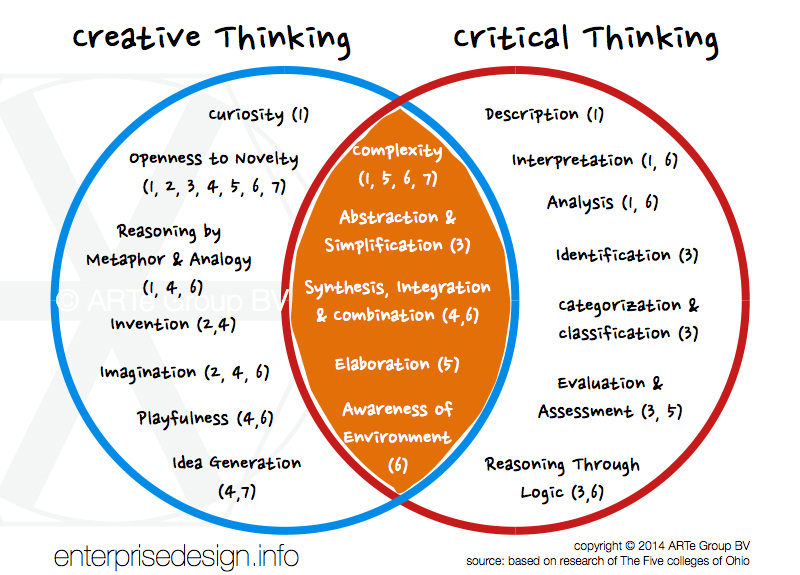
Open-ended assessments are a valuable tool in alternative schooling and education, allowing students to showcase their critical thinking skills and creativity. Unlike traditional assessments that focus on memorization and regurgitation of information, open-ended assessments encourage students to explore concepts deeply and express their ideas in unique ways. In this article, we will explore the top 8 benefits of using open-ended assessments in alternative schooling.
1. Encourages Critical Thinking: Open-ended questions require students to analyze information, evaluate evidence, and draw logical conclusions. This promotes higher-order thinking skills and prepares them for real-world problem-solving situations.
2. Fosters Creativity: By giving students the freedom to express themselves creatively, open-ended assessments tap into their imagination and allow for innovative solutions or interpretations of concepts.
3. Personalizes Learning: Open-ended assessments provide an opportunity for each student to showcase their individual strengths, interests, and learning styles. This promotes a more personalized learning experience where every student feels valued.
4. Develops Communication Skills: Students must effectively communicate their thoughts, ideas, and arguments when completing open-ended tasks. This helps improve oral and written communication skills – essential abilities for success in any field.
5. Supports Self-reflection: When engaging with open-ended questions or projects, students are often required to reflect on their learning process or personal growth. This self-reflection encourages metacognition – the ability to think about one’s own thinking – leading to deeper understanding.
6. Builds Resilience: Open-ended assessments typically have no right or wrong answers; instead, they focus on the quality of reasoning behind responses rather than mere factual recall. This approach helps build resilience by teaching students that setbacks can be valuable opportunities for growth.
7. Enhances Problem-Solving Abilities: The flexibility inherent in open-ended tasks allows students to develop problem-solving strategies independently instead of relying solely on prescribed methods provided by teachers or textbooks.
8.Encourages Collaboration: Many open-ended assessments can be completed in groups, fostering teamwork and collaboration among students. This promotes social skills, empathy, and the ability to consider diverse perspectives.
Incorporating open-ended assessments into alternative schooling environments provides a more holistic approach to education. By focusing on critical thinking, creativity, personalized learning, communication skills development, self-reflection, resilience building, problem-solving abilities enhancement and fostering collaboration; students are better prepared for the complexities of the modern world. Ultimately, open-ended assessments empower students to become independent learners who can think critically and creatively in various situations throughout their lives.
 Alternative Amie
Leave a comment