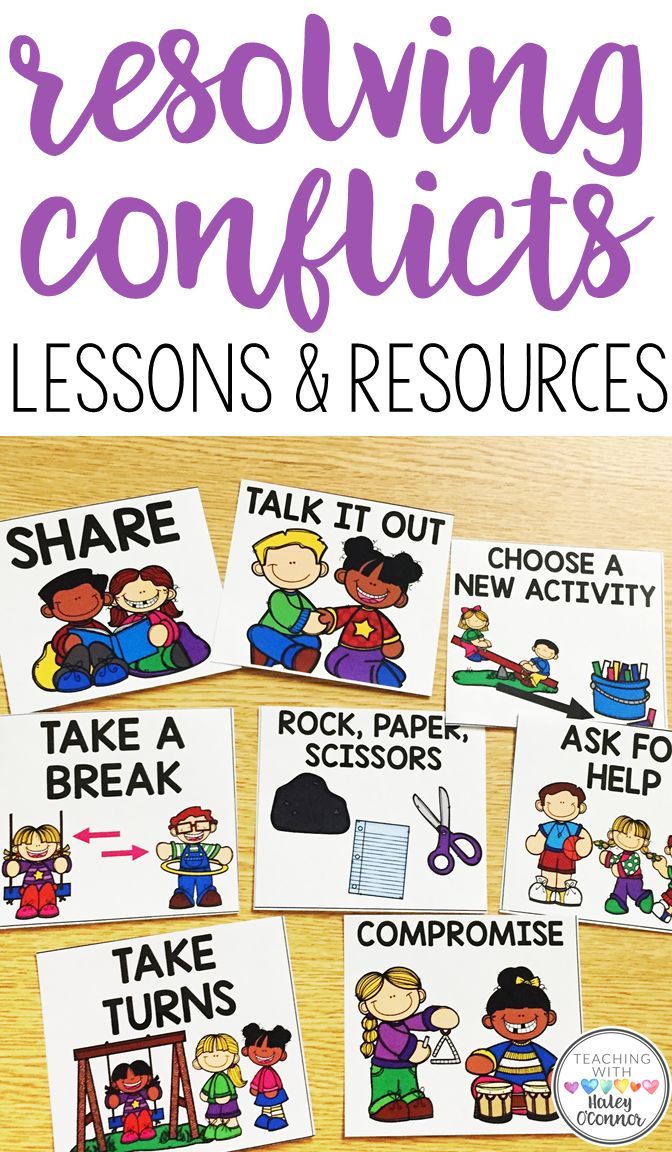
Conflict Resolution Strategies within a Learning Community
Introduction:
Creating a positive and nurturing learning environment is crucial for the success of any educational institution. In order to achieve this, it is essential to have effective conflict resolution strategies in place. Conflict is inevitable in any community, and schools are no exception. However, how conflicts are managed can greatly impact the overall atmosphere and productivity within the learning community.
In this case study, we will explore various conflict resolution strategies that can be implemented within a learning community to foster healthy relationships among students, teachers, administrators, and parents.
1. Establish Open Communication Channels:
One of the fundamental steps in resolving conflicts is promoting open communication among all stakeholders involved. This begins by creating an environment where individuals feel comfortable expressing their concerns or grievances without fear of judgment or retribution.
To achieve this, it is essential to set up regular forums for dialogue such as student-teacher conferences, parent-teacher meetings, or group discussions. These platforms allow everyone involved to express themselves openly and address any underlying issues promptly.
2. Encourage Active Listening:
Active listening plays a vital role in conflict resolution as it helps individuals understand each other’s perspectives better. Encouraging all parties involved to actively listen involves paying attention to what others are saying without interrupting or formulating counterarguments while they speak.
Within the learning community setting, teachers should teach active listening skills explicitly through class activities and exercises that promote understanding and empathy towards others’ viewpoints.
3. Practice Mediation Techniques:
Mediation techniques involve involving impartial third parties who help facilitate communication between conflicting parties with the aim of finding mutually agreeable solutions. Within a learning community setting, mediation techniques can be particularly beneficial when addressing conflicts between students or even between students and teachers.
Trained mediators can help identify common ground among conflicting parties and guide them towards reaching compromises that satisfy both sides. By utilizing these mediation techniques effectively, conflicts can be resolved amicably before they escalate further.
4. Teach Conflict Resolution Skills:
Conflict resolution is a skill that can be taught and developed, particularly in educational settings. By explicitly teaching conflict resolution skills to students, they are empowered with the tools necessary to handle conflicts constructively throughout their lives.
Incorporating conflict resolution education into the curriculum can include lessons on active listening, empathy-building exercises, problem-solving techniques, and negotiation strategies. By equipping students with these skills from an early age, schools promote a culture of understanding and cooperation within the learning community.
5. Implement Restorative Justice Practices:
Restorative justice practices focus on repairing harm caused by conflicts rather than assigning blame or punishment. These practices encourage individuals involved in conflicts to take responsibility for their actions and work towards making amends.
Within a learning community, implementing restorative justice practices can involve bringing together conflicting parties for facilitated dialogue where they share their experiences and feelings related to the conflict. This process helps foster empathy and understanding among all stakeholders while providing opportunities for reconciliation.
6. Promote Positive Relationships:
Building positive relationships within a learning community is essential in preventing conflicts from arising in the first place. When individuals feel connected and valued within their educational environment, they are more likely to resolve any issues that may arise proactively.
To promote positive relationships, schools can organize team-building activities or collaborative projects that encourage students to work together towards common goals. Additionally, creating mentorship programs where older students support younger ones fosters a sense of belonging and reduces potential conflicts between different age groups.
7. Provide Professional Development Opportunities for Staff:
Teachers play a critical role in modeling effective conflict resolution strategies within the learning community. Providing professional development opportunities focused on conflict management not only enhances teachers’ abilities but also creates consistency throughout the school’s approach to resolving conflicts.
Workshops or training sessions can be conducted to equip teachers with skills like active listening, mediation techniques, and restorative justice practices. By investing in staff development regarding conflict resolution, schools demonstrate their commitment to maintaining a healthy learning environment for all.
Conclusion:
Conflict is an inevitable part of any learning community. However, by implementing effective conflict resolution strategies, schools can transform conflicts into valuable opportunities for growth and understanding. Establishing open communication channels, encouraging active listening, practicing mediation techniques, teaching conflict resolution skills explicitly, implementing restorative justice practices, promoting positive relationships, and providing professional development opportunities for staff are all essential components of creating a harmonious learning environment where conflicts are resolved constructively. By prioritizing these strategies within the educational system, we can build stronger communities that foster collaboration and personal growth among students and educators alike.

 Alternative Amie
Leave a comment