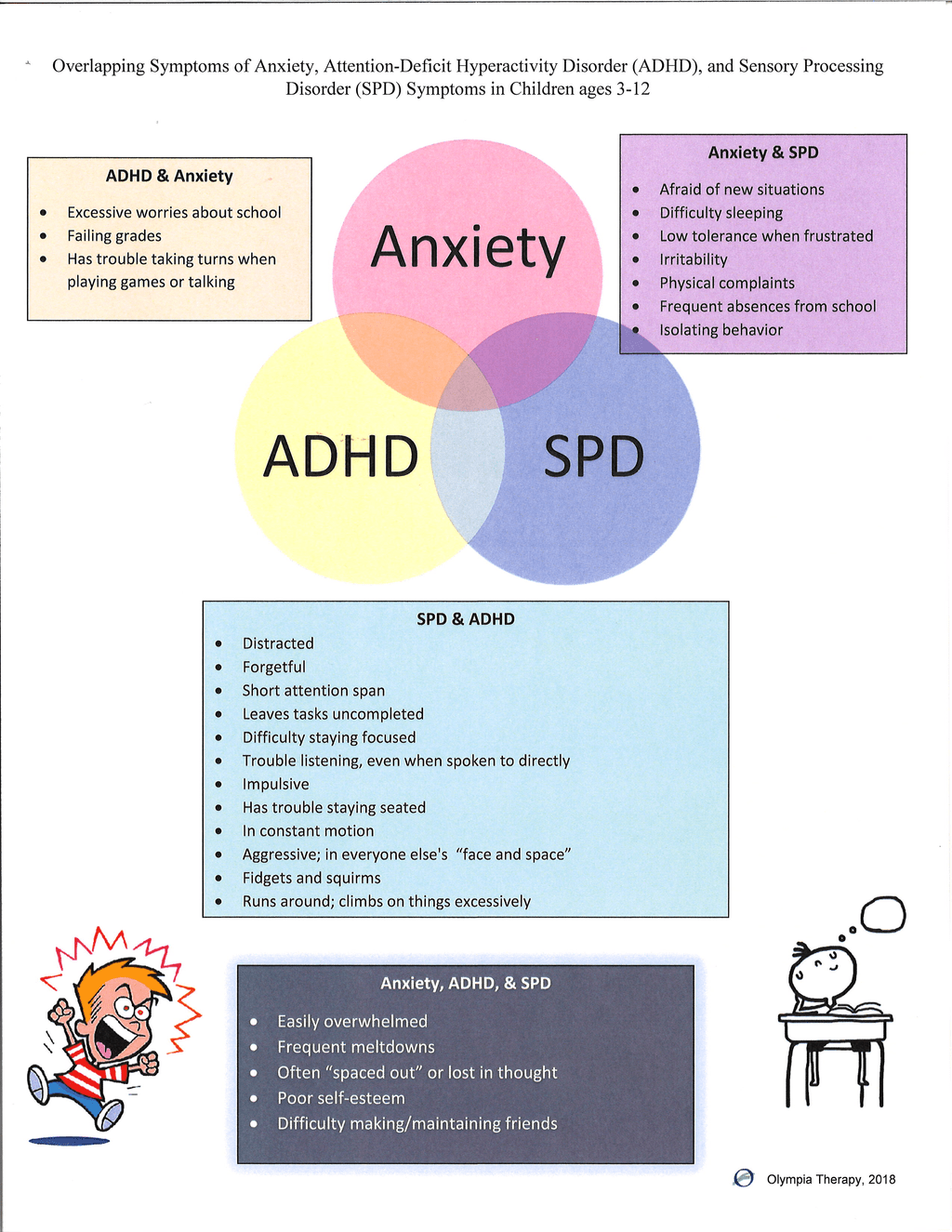
Sensory Processing Disorder: Understanding and Supporting Children with SPD
Introduction:
Sensory processing disorder (SPD) is a condition that affects how the brain processes information from the senses. It can make it challenging for children to respond appropriately to sensory stimuli in their environment, such as sound, touch, taste, smell, and movement. This can lead to difficulties in daily activities and interactions. As parents or educators, it is essential to understand SPD better and learn effective strategies to support children with this disorder.
Recognizing Sensory Processing Disorder:
Every child has unique sensory preferences and sensitivities. However, when these preferences or sensitivities significantly impact their daily functioning, they may be experiencing SPD. Here are some common signs of sensory processing disorder:
1. Overresponsiveness:
– Hypersensitivity to certain textures of clothing
– Extreme sensitivity to loud noises
– Strong aversion to being touched or hugged
– Easily overwhelmed by crowded places or bright lights
2. Underresponsiveness:
– Difficulty recognizing pain or temperature changes
– High tolerance for physical discomfort
– Insensitivity towards strong smells or tastes
– Seemingly unaware of being touched or bumped into
3. Sensory-seeking behaviors:
– Constantly seeking out intense sensory input like spinning around or jumping off furniture
– Frequent crashing into objects intentionally
– Chewing on non-food items like pencils or shirt collars
Understanding SPD Subtypes:
SPD can manifest in different ways depending on the specific senses affected. The three main subtypes are:
1. Sensory Modulation Disorder:
This subtype involves difficulties regulating responses to sensory inputs accurately.
2. Sensory Discrimination Disorder:
Children with this subtype have difficulty distinguishing between similar sensations.
3. Sensory-Based Motor Disorder:
This subtype affects motor coordination skills related to balance and body awareness.
Creating a Supportive Environment:
To help children with SPD thrive academically and socially, it’s crucial to create a supportive environment that caters to their specific sensory needs. Here are some strategies you can implement:
1. Sensory-friendly classroom setup:
– Provide a comfortable and quiet space where children can retreat when feeling overwhelmed.
– Use visual schedules or timers to help children anticipate transitions.
– Offer flexible seating options, such as bean bags or cushions, allowing them to choose what feels most comfortable.
2. Sensory breaks:
– Incorporate regular sensory breaks into the daily routine, providing opportunities for movement and proprioceptive input.
– Introduce calming activities like deep breathing exercises or yoga poses during these breaks.
3. Reduce sensory triggers:
– Minimize visual distractions by using soft lighting and organizing the classroom in an organized manner.
– Implement noise-reducing measures like using earbuds or headphones for sensitive students during noisy activities.
4. Encourage self-regulation techniques:
– Teach children coping strategies such as deep pressure massages, fidget toys, or weighted blankets that can help them stay focused and calm.
Collaborating with Occupational Therapists:
Occupational therapy plays a crucial role in supporting children with SPD. Collaborating with occupational therapists allows educators and parents to develop effective intervention plans tailored to each child’s specific needs. Some key areas of focus may include:
1. Sensory diet plans:
An occupational therapist can create personalized “sensory diets” consisting of specific activities designed to meet a child’s sensory needs throughout the day.
2. Fine motor skills development:
Children with SPD often struggle with fine motor skills like handwriting or buttoning clothes. Occupational therapists can provide targeted interventions to improve these abilities.
3. Social-emotional support:
SPD may impact a child’s social interactions due to difficulties reading non-verbal cues or managing emotional responses effectively. Working alongside an occupational therapist helps develop appropriate social skills and emotional regulation techniques.
Conclusion:
Sensory processing disorder is more common than we realize, affecting many children’s daily lives. By understanding the signs and symptoms of SPD and implementing supportive strategies, educators and parents can make a significant impact on these children’s well-being and academic success. Collaborating with occupational therapists is key to developing comprehensive intervention plans tailored to each child’s unique sensory needs. Together, we can create an inclusive environment where every child thrives.
 Alternative Amie
Leave a comment