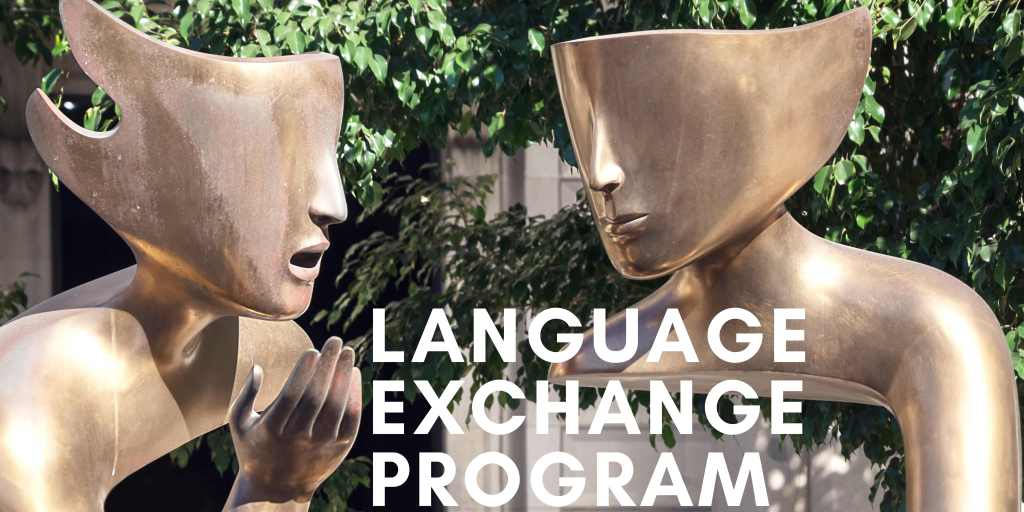
Language exchange programs have become increasingly popular in recent years as people recognize the importance of being able to communicate effectively in a globalized world. These programs provide an opportunity for individuals to immerse themselves in a foreign language and culture, while also offering the chance to teach their native language to others. In this article, we will explore the benefits of language exchange programs and how they can enhance one’s educational experience.
One of the key advantages of participating in a language exchange program is the opportunity to improve one’s linguistic skills. Unlike traditional classroom settings, where students often focus on grammar rules and vocabulary memorization, language exchanges offer real-life communication experiences with native speakers. This immersive environment forces participants to actively engage in conversation, practice pronunciation, and learn new vocabulary within authentic contexts.
Moreover, by interacting with native speakers, language learners gain exposure to different accents, regional dialects, idiomatic expressions, and cultural nuances. This exposure helps develop an understanding and appreciation for diversity while enhancing listening comprehension skills. Language exchange participants are also encouraged to correct each other’s mistakes gently but directly—this feedback fosters continuous improvement and encourages self-reflection.
Another significant advantage of language exchanges is that they foster cultural understanding. Learning a foreign language goes hand-in-hand with learning about its associated culture—both are intertwined aspects that cannot be separated easily. By living or interacting closely with native speakers during these programs, participants gain firsthand insight into their cultures’ customs, traditions, values, and daily life practices.
This cross-cultural experience allows participants not only to enrich their knowledge but also helps foster empathy towards different perspectives. They acquire a broader worldview by breaking down stereotypes or preconceived notions they may have held previously about certain countries or communities.
Additionally, through participation in group activities organized by these programs—such as cooking classes using traditional recipes or attending local festivals—participants get immersed deeper into local customs while forging friendships with locals who share common interests.
Language exchanges not only benefit language learners but also provide an opportunity for native speakers to learn a new language. These programs promote intercultural dialogue and mutual learning, as both parties take turns teaching their respective languages. Native speakers can gain insights into the intricacies of their own language from non-native speakers who often have a more analytical approach to learning grammar rules.
Moreover, these exchanges create an environment where cultural exchange happens naturally, allowing native speakers to immerse themselves in another culture while sharing their own with enthusiasm. This reciprocal teaching dynamic fosters friendship and collaboration while building bridges between individuals from different linguistic backgrounds.
In addition to improving linguistic abilities and fostering cultural understanding, language exchange programs offer personal growth opportunities. Participants are likely to develop essential life skills such as adaptability, independence, resilience, problem-solving, and effective communication—qualities highly sought after by employers in today’s global job market.
Living abroad or interacting within a multicultural setting challenges participants to navigate unfamiliar environments and communicate effectively with people from diverse backgrounds. Such experiences enhance self-confidence and expand one’s comfort zone—attributes that prove invaluable in both personal and professional spheres.
Furthermore, participating in a language exchange program demonstrates commitment and initiative towards continuous learning—an attitude highly regarded by educational institutions or potential employers alike. The ability to adapt quickly to new situations is seen as an asset that reflects flexibility—another desirable quality valued in various contexts.
In conclusion, language exchange programs present numerous benefits for individuals seeking a comprehensive educational experience beyond traditional classroom settings. They provide immersive opportunities for linguistic improvement through authentic conversations with native speakers while promoting cross-cultural understanding and empathy.
By facilitating reciprocal teaching dynamics between participants of different linguistic backgrounds, these programs create platforms for intercultural dialogue that foster friendship and collaboration among individuals worldwide.
Moreover, the personal growth aspects associated with participating in these programs help shape well-rounded individuals equipped with valuable life skills applicable across various domains—from improved communication abilities to enhanced adaptability—a testament to the transformative power of language exchange programs.
 Alternative Amie
Leave a comment