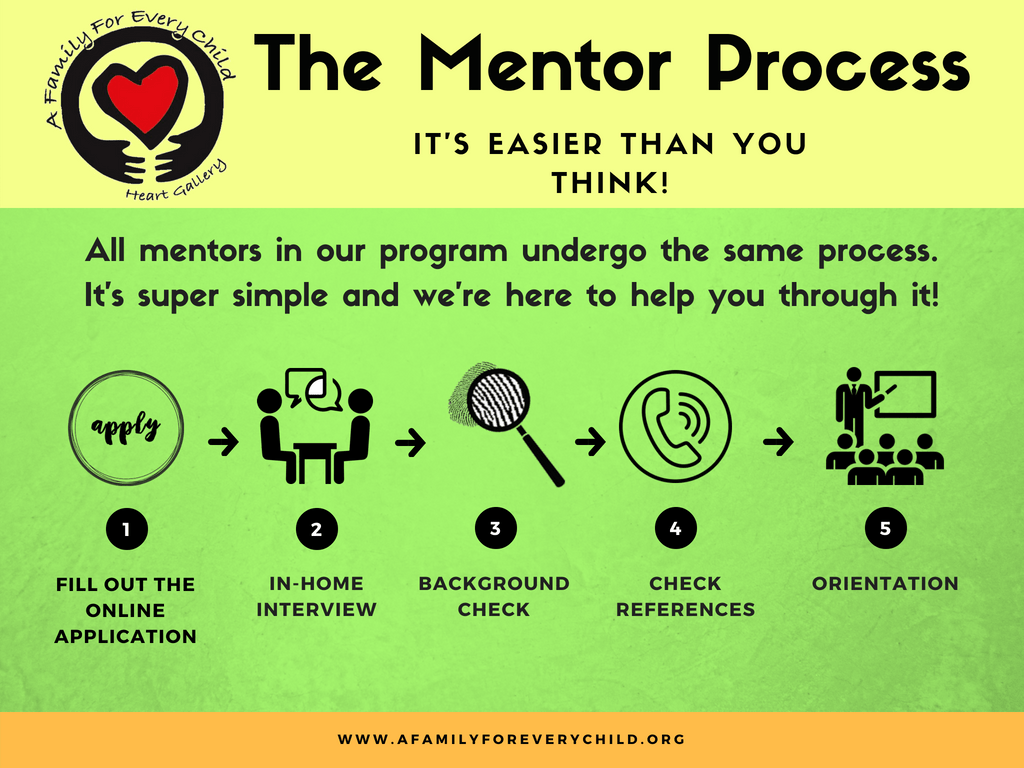
In the realm of alternative schooling and education, mentorship plays a vital role in shaping the lives of young learners. By providing guidance, support, and knowledge to students, mentors have the power to positively impact their educational journey. However, it is essential that mentors receive proper training and ongoing support to ensure they are equipped with the necessary skills and resources.
Mentor training serves as an important foundation for effective mentoring relationships. It allows mentors to develop a deep understanding of their responsibilities and expectations. Training programs often cover topics such as active listening, communication techniques, goal setting strategies, problem-solving approaches, ethical considerations, cultural sensitivity, and building rapport with mentees. These key areas help mentors cultivate strong connections with their students while fostering an environment conducive to learning.
Ongoing support is equally crucial in mentorship programs. Regular check-ins or meetings between mentors and program coordinators provide opportunities for feedback and reflection on mentoring practices. This feedback loop helps mentors refine their approach over time by addressing challenges or identifying areas for improvement. Support can also include access to additional resources like workshops or webinars focused on specific aspects of mentorship or alternative educational methods.
The significance of mentor training and ongoing support extends beyond individual benefits for mentors themselves; it directly influences student outcomes as well. Well-trained mentors are better prepared to address diverse learning needs effectively, ensuring that each student receives tailored guidance according to their unique strengths and weaknesses.
Moreover, ongoing support enables mentors to adapt their strategies based on evolving educational trends or changes within students’ lives. By staying up-to-date with new teaching techniques or emerging theories in education, mentors remain relevant in guiding students towards success.
In conclusion, mentor training coupled with ongoing support is indispensable when it comes to alternative schooling and education systems. By equipping mentors with essential skills through comprehensive training programs and offering continuous assistance throughout their journey as educators, we can enhance the quality of mentorship experiences for both educators and learners alike.
 Alternative Amie
Leave a comment