Flexible Scheduling: Empowering Alternative Education
In the traditional education system, students often find themselves confined to rigid schedules that dictate their daily routines. However, in recent years, alternative schooling and education models have gained popularity. One such model that has been gaining traction is flexible scheduling.
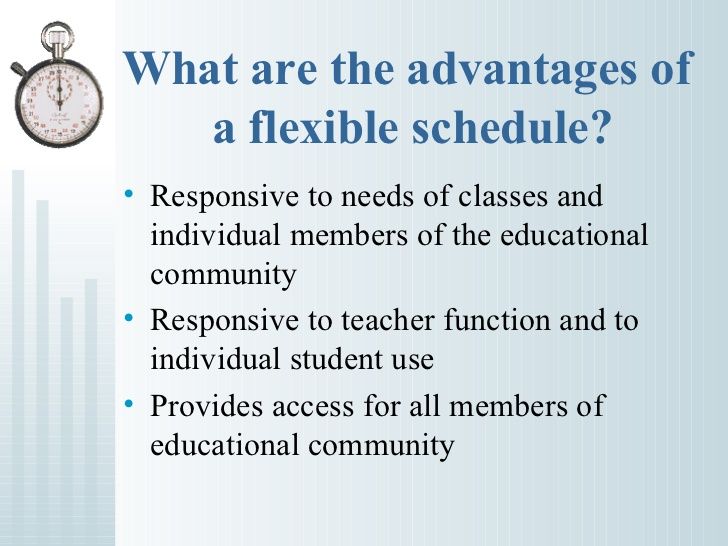
Flexible scheduling allows students to take control of their learning experience by providing them with the freedom to design their own schedule based on individual needs and preferences. This approach fosters a more personalized and self-directed learning environment, promoting student engagement and academic success. In this article, we will explore eight key benefits of flexible scheduling in alternative education settings.
1. Tailored Learning Experience
One of the primary advantages of flexible scheduling is its ability to accommodate diverse learning styles and preferences. Students can choose when they want to study specific subjects or engage in extracurricular activities that align with their interests. This customization helps create a more engaging and meaningful learning experience.
For example, if a student is particularly passionate about science but finds it challenging to focus during early morning classes, they can opt for later time slots to ensure better concentration and absorption of information.
2. Enhanced Time Management Skills
Flexibility teaches valuable life skills such as time management – an essential skill for success both academically and professionally. By allowing students to plan their schedules according to personal priorities, they learn how to allocate time efficiently for different tasks.
When students actively participate in creating their schedules, they become responsible for managing deadlines effectively while still ensuring ample time for rest and relaxation. These skills are transferable beyond school walls and serve them well throughout their lives.
3. Improved Student Engagement
Traditional classroom settings often struggle with maintaining high levels of student engagement due to standardized teaching methods or lackluster curriculum choices that may not resonate with all learners equally. Flexible scheduling addresses this issue by empowering students with autonomy over what they learn and when they learn it.
With increased ownership over their education journey, students are more likely to feel engaged and motivated. As a result, they take charge of their learning, actively participate in lessons, and ask questions that deepen their understanding of the subject matter.
4. Reduced Stress Levels
The pressures associated with rigid schedules can place significant stress on students. Balancing multiple classes, extracurricular activities, and personal obligations can lead to burnout and hinder academic performance.
Flexible scheduling alleviates this burden by allowing students to prioritize tasks based on their needs. They have the freedom to allocate time for relaxation or pursue hobbies that serve as stress-relievers, ensuring a healthier work-life balance.
5. Individualized Pace of Learning
Every student learns at a different pace. In traditional classrooms, teachers must follow a set curriculum timeline regardless of individual student progress. This approach can leave some students feeling left behind while others might find themselves bored due to slower pacing.
Flexible scheduling empowers students to learn at their own pace without feeling rushed or held back by others. Students who grasp concepts quickly can move ahead in subjects they excel in while allocating more time for areas where they require additional support.
6. Opportunity for Real-World Experiences
Another advantage of flexible scheduling is that it allows students to explore real-world experiences beyond textbooks and classroom walls. By having control over when and how they study, learners can engage in internships or part-time jobs related to their interests during school hours.
These experiences provide practical exposure, enhance critical thinking skills, develop professional networks early on, and allow students to apply theoretical knowledge acquired through alternative education methods into practice.
7. Personalized Support System
Flexible scheduling also enables personalized support systems tailored specifically for each student’s unique needs. With smaller class sizes or one-on-one instruction opportunities often offered in alternative schooling models, educators have more time and resources available to address individual challenges effectively.
Teachers can provide targeted assistance and guidance according to each learner’s requirements rather than following a rigid curriculum that may not suit every student equally. This personalized approach fosters a supportive and nurturing learning environment, facilitating academic growth.
8. Preparation for the Future
In today’s rapidly changing world, adaptability and self-direction are crucial skills for success in higher education and the workforce. By implementing flexible scheduling, alternative education models prepare students for these challenges by helping them develop independence, critical thinking ability, time management skills, and resilience.
Students who have experienced flexible scheduling are better equipped to handle the demands of college life or pursue entrepreneurial ventures as they have already mastered the art of managing their own time effectively.
Conclusion
Flexible scheduling is revolutionizing alternative education models by empowering students to take charge of their learning experience. It offers various benefits such as tailored learning experiences, enhanced time management skills, improved student engagement levels, reduced stress levels, individualized pacing of learning, real-world experiential opportunities, personalized support systems from educators and peers alike, and preparation for future success.
This approach recognizes that each student has unique strengths and weaknesses while promoting autonomy in decision-making processes. As alternative schooling continues to gain popularity worldwide due to its effectiveness in meeting diverse educational needs, embracing flexible scheduling will become increasingly important in shaping the future of education.
 Alternative Amie
Leave a comment