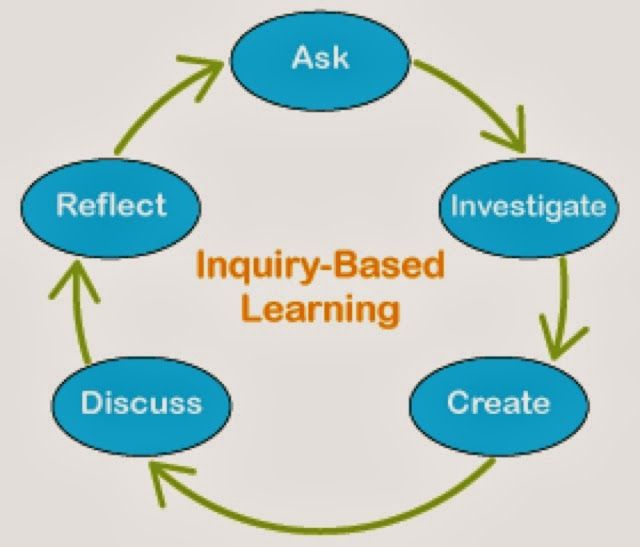
Inquiry-based learning, also known as inquiry-driven instruction or guided inquiry, is an innovative approach to education that places the learner at the center of the learning process. Unlike traditional teaching methods that rely on lectures and memorization, inquiry-based learning encourages students to actively engage in their own learning by posing questions, exploring ideas, and seeking answers through research and investigation.
At its core, inquiry-based learning promotes critical thinking skills, creativity, problem-solving abilities, and a deep understanding of concepts. By encouraging students to ask questions and explore topics of interest to them, it fosters a sense of curiosity and ownership over their education. This approach not only helps students develop a love for lifelong learning but also prepares them for success in an ever-changing world.
One of the key benefits of inquiry-based learning is that it allows students to learn at their own pace. Instead of being confined to a predetermined curriculum or set timeline, learners are given the freedom to delve deeper into subjects they find intriguing. This personalized approach ensures that each student’s unique strengths and interests are nurtured while allowing for more meaningful connections between different areas of knowledge.
Another advantage is that inquiry-based learning promotes collaboration among students. Through group projects and discussions, learners have the opportunity to share ideas, perspectives, and insights with their peers. This collaborative environment not only enhances social skills but also exposes students to diverse viewpoints and cultures.
Moreover, this type of active engagement in the learning process leads to higher retention rates compared to passive forms of teaching. When students are actively involved in asking questions and finding answers themselves rather than simply receiving information from teachers or textbooks passively, they develop a deeper understanding of concepts as well as better memory recall.
Furthermore,inquiry-based learning encourages creativity by fostering independent thinking skills. Students are encouraged to think outside the box when formulating hypotheses or designing experiments related to their chosen topic. This creative problem-solving ability extends beyond academic contexts – it can be applied in real-world situations, where innovative thinking is highly valued.
Inquiry-based learning also promotes the development of essential research skills. Students learn how to gather and evaluate information from various sources, analyze data, and draw conclusions based on evidence. These skills are invaluable in today’s information-driven society where the ability to navigate and assess vast amounts of knowledge is crucial.
Moreover, inquiry-based learning empowers students to take ownership of their education. It encourages them to become active participants rather than passive recipients of knowledge. This sense of responsibility fosters a growth mindset, resilience, and self-motivation – qualities that are essential for success in any field.
Lastly, inquiry-based learning prepares students for future careers by equipping them with skills such as critical thinking, problem-solving, collaboration,and adaptability – all vital in today’s rapidly evolving job market. By focusing on the process rather than solely on the end result or grades achieved during assessments,inquiry-based learning encourages exploration,hands-on experiences,and reflection; all key components that help develop transferable skills beyond academia.
In conclusion,inquiry-based learning offers a transformative educational experience that empowers learners to become active seekers of knowledge.The benefits range from enhanced critical thinking and problem-solving abilities to improved retention rates and research skills.Its emphasis on student engagement,freedom over topics studied,and collaborative approaches fosters lifelong learners who are well-prepared for future personal and professional endeavors.Incorporating more inquiry-based methods into traditional classrooms can revolutionize education by placing students at the center of their own learning journey
 Alternative Amie
Leave a comment