Communication Skills: Unlocking the Path to Success
In today’s rapidly evolving world, effective communication has become more crucial than ever before. The ability to convey ideas, thoughts, and emotions in a clear and concise manner can make all the difference in personal relationships, professional endeavors, and overall success in life. Alternative schooling and education play a pivotal role in nurturing these essential skills that go beyond conventional classroom settings.
1. Listening Skills:
Listening is the foundation of effective communication. In alternative schools that prioritize holistic development, students are encouraged to actively listen to others without interrupting or judging. This fosters empathy and understanding while promoting an inclusive learning environment where everyone feels heard.
2. Verbal Communication:
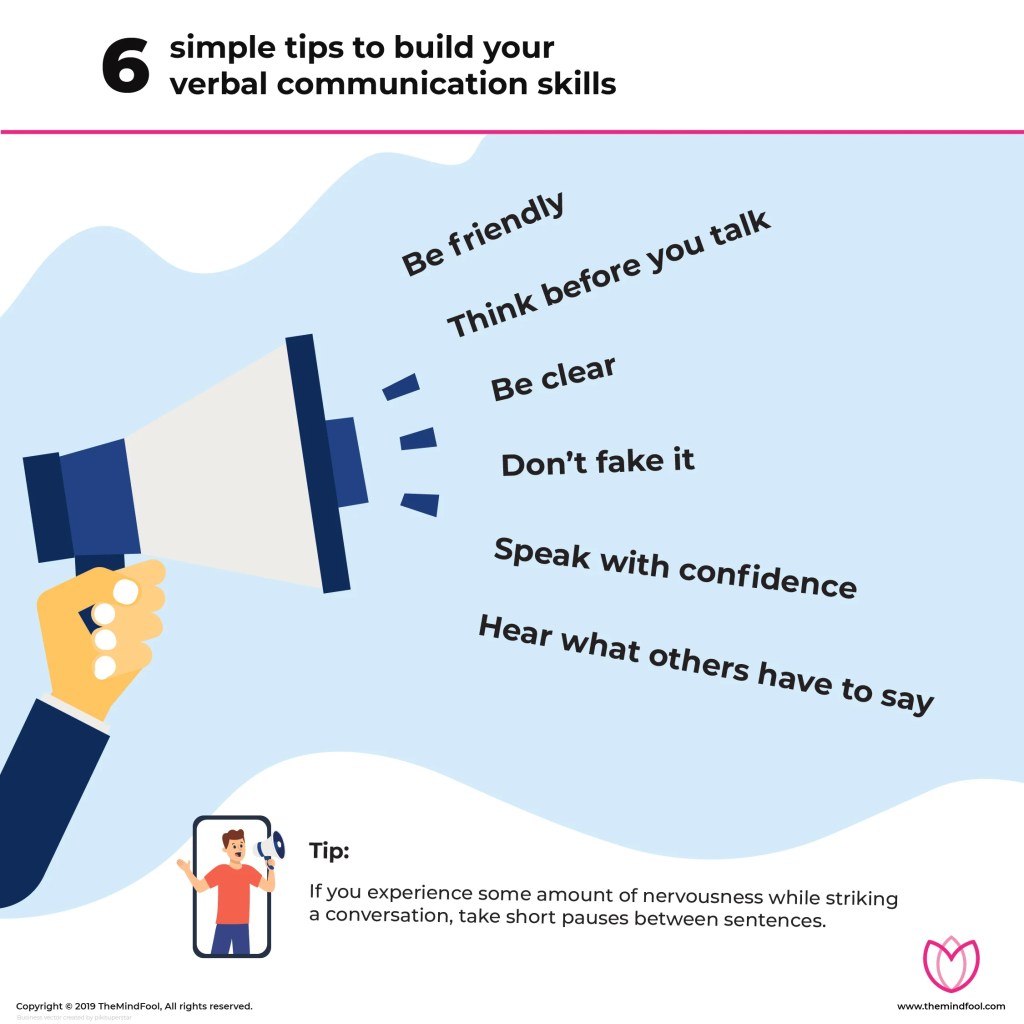
The ability to articulate thoughts verbally is vital for both personal expression and professional interactions. Alternative schools focus on honing this skill by providing ample opportunities for students to engage in discussions, debates, public speaking events, and presentations. Through regular practice and guidance from teachers who value open dialogue, students gain confidence in expressing their ideas fluently.
3. Nonverbal Communication:
Nonverbal cues such as body language, facial expressions, gestures, and tone of voice often speak louder than words themselves. By acknowledging the significance of nonverbal communication within alternative educational frameworks, students learn how to interpret these cues accurately while also being mindful of their own nonverbal signals.
4. Written Communication:
With technological advancements dominating our lives today, written communication has become more prevalent than ever before – from emails to social media posts or academic assignments. Alternative schools emphasize developing strong writing skills through various means such as journaling exercises or creative writing workshops tailored towards enhancing grammatical accuracy, clarity of thought process along with creativity.
5. Emotional Intelligence:
Emotional intelligence refers to one’s ability to recognize emotions within themselves and others while effectively managing them during interpersonal interactions. Alternative education systems prioritize emotional intelligence training through activities like group discussions focused on empathy building or conflict resolution exercises. Students learn to understand and express their emotions, fostering healthier relationships and effective communication.
6. Collaboration and Teamwork:
Collaboration is an essential aspect of communication in professional settings. Alternative schools often implement project-based learning methods that require students to work together on tasks, encouraging teamwork, active listening, compromise, negotiation, and problem-solving skills. By participating in group activities or team projects, students develop a collaborative mindset that prepares them for future endeavors.
7. Cultural Sensitivity:
In today’s globalized world, cultural sensitivity plays a significant role in effective communication. Alternative schooling promotes diversity awareness by celebrating different cultures through special events or multicultural programs. This exposure enables students to appreciate diverse perspectives while developing open-mindedness and respect towards others’ values and beliefs.
8. Critical Thinking:
Effective communication requires the ability to think critically – analyzing information objectively before drawing conclusions or making decisions. Alternative education systems emphasize critical thinking skills through inquiry-based learning approaches where students are encouraged to question assumptions, evaluate evidence critically, and present well-reasoned arguments.
9. Digital Literacy:
In our digital age, proficiency in technology is paramount for effective communication both personally and professionally. Alternative schools integrate digital literacy into their curriculum by teaching students how to navigate various digital platforms responsibly while using technology as a tool for collaboration and expression.
10: Conflict Resolution:
Alternative education systems prioritize conflict resolution techniques as part of developing strong communication skills among students. By teaching strategies such as active listening during conflicts or practicing mediation exercises within structured environments like peer counseling programs – alternative schools empower individuals with the necessary skills for resolving differences peacefully.
In conclusion, alternative schooling places great emphasis on nurturing comprehensive communication skills beyond traditional educational frameworks. By prioritizing listening abilities along with verbal and written expression in an inclusive environment focused on emotional intelligence development – these educational institutions equip students with the tools they need to excel not only academically but also socially throughout their lives.
 Alternative Amie
Leave a comment