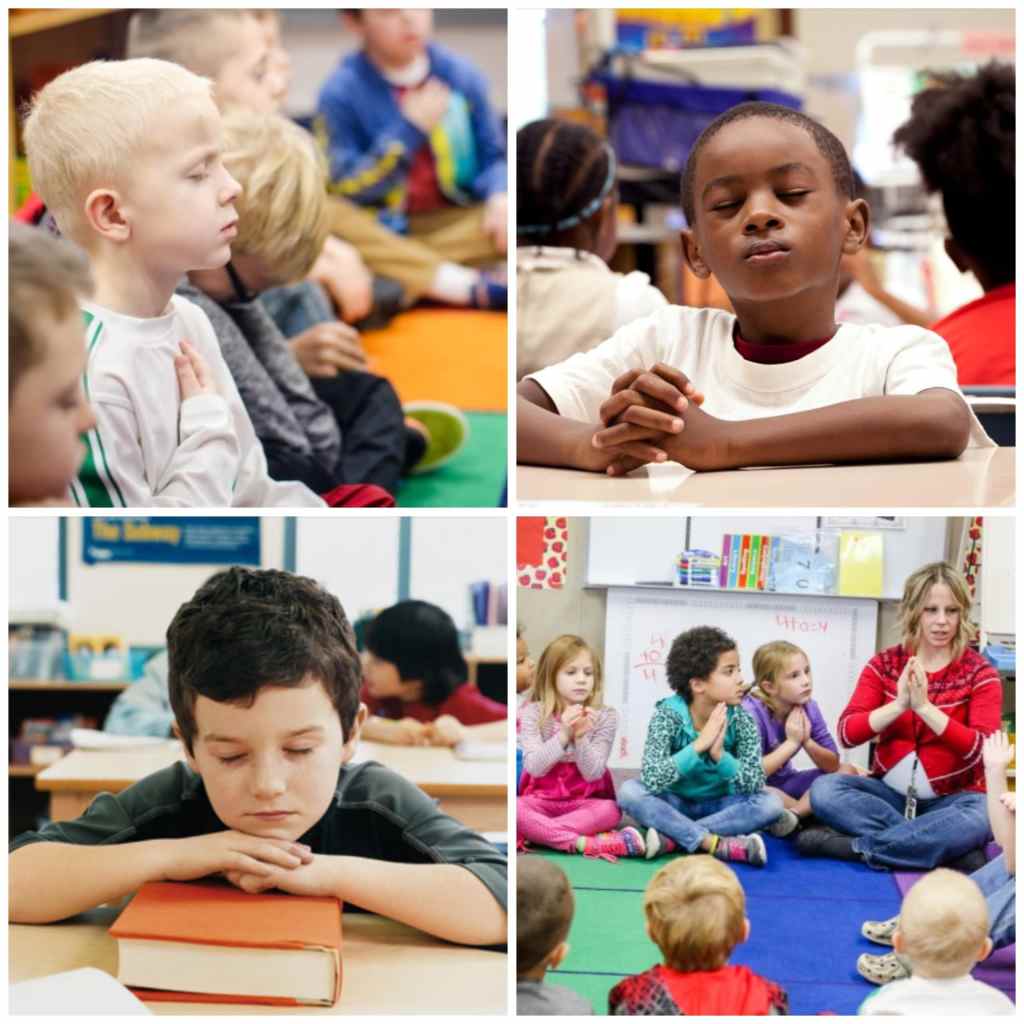
In recent years, there has been a growing interest in incorporating mindfulness practices into classrooms around the world. Mindfulness, defined as paying attention to the present moment with openness and non-judgment, has shown numerous benefits for both students and teachers. As alternative schooling and education continue to gain traction, it is worth exploring how mindfulness can contribute to creating a more positive and productive learning environment.
One of the main reasons why mindfulness is being embraced by educators is its potential to improve mental health and well-being. Research shows that practicing mindfulness regularly can reduce stress, anxiety, and depression among students. By teaching children how to be fully present in each moment without judgment or attachment, they develop emotional resilience and learn coping strategies that can support them throughout their lives.
Moreover, mindfulness helps cultivate self-awareness in students. By encouraging them to observe their thoughts, feelings, and bodily sensations without reacting impulsively or getting carried away by them, they become more attuned to their own needs and emotions. This heightened self-awareness allows students to better understand themselves and others while fostering empathy and compassion within the classroom community.
Implementing mindfulness practices does not require significant resources or time commitment either. Simple techniques such as deep breathing exercises or mindful listening can be easily integrated into daily routines without disrupting the flow of lessons. These practices serve as quick resets that help students refocus their attention during transitions between activities or after moments of distraction.
Additionally, research suggests that regular mindfulness practice improves cognitive abilities such as attention span, memory retention, and decision-making skills – all essential for academic success. When students are taught how to anchor their attention on one task at a time instead of multitasking or constantly shifting focus between stimuli – which is often the norm in today’s digital age – they become more engaged learners who absorb information more effectively.
Mindfulness also creates an atmosphere conducive to learning by enhancing overall classroom dynamics. When teachers practice mindfulness themselves alongside their students, it fosters a sense of shared experience and builds stronger teacher-student relationships. This, in turn, leads to increased trust, respect, and open communication within the classroom.
Furthermore, mindfulness can be particularly beneficial for students who have difficulty managing their behavior or emotions. By teaching these students how to pause and observe their thoughts and feelings before reacting impulsively, they gain greater control over their actions and develop alternative ways of responding to challenging situations. Mindfulness empowers them with tools to regulate their emotions effectively and make conscious choices that promote positive outcomes.
Critics argue that incorporating mindfulness into classrooms may detract from academic instruction or clash with traditional educational practices. However, evidence suggests otherwise – mindfulness actually complements academic learning by improving concentration levels among students. When students are attentive and focused on the task at hand, they are more likely to absorb information efficiently, leading to better comprehension and retention.
Moreover, integrating mindfulness into the curriculum provides an opportunity for teachers to address social-emotional learning (SEL) alongside academic content. SEL encompasses skills such as self-awareness, self-management, social awareness, relationship skills, and responsible decision-making – all of which contribute significantly to personal well-being and success in life beyond the classroom walls.
It is important to note that incorporating mindfulness does not mean replacing valuable instructional time with meditation sessions or other formal practices exclusively aimed at cultivating present-moment awareness. Rather than being treated as separate entities competing for attention within a busy school day schedule; mindfulness can be seamlessly integrated into various aspects of classroom life.
For instance, mindful eating exercises can be incorporated during lunch breaks where students pay attention to the taste, texture, smell of food while savoring each bite mindfully instead of rushing through meals mindlessly. Mindful movement activities like yoga or stretching breaks can also help release physical tension accumulated throughout sedentary periods in class while promoting body awareness.
In conclusion – alternative schooling approaches recognize the importance of nurturing children holistically, considering their social-emotional well-being alongside academic achievement. Mindfulness practices align perfectly with this philosophy, as they provide a means to support students in developing essential life skills while fostering a positive classroom environment. By incorporating mindfulness into the daily routine, educators can empower students to become more self-aware, resilient, and engaged learners who are better equipped to navigate the challenges of school and beyond.
 Alternative Amie
Leave a comment