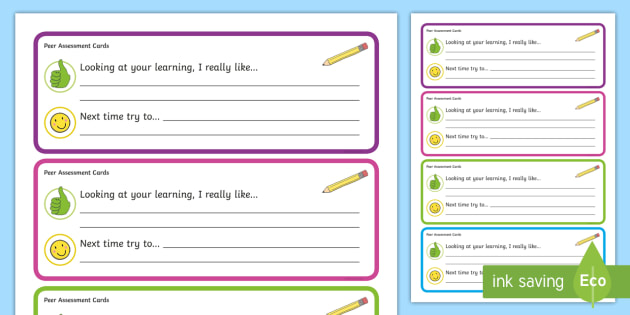
Peer Assessment in Language Learning: A Collaborative Approach to Success
In traditional education settings, the role of assessment is often limited to teachers evaluating students’ progress and providing feedback. However, alternative forms of education have explored different approaches to assessment that empower learners and foster a collaborative learning environment. One such approach is peer assessment, which has gained popularity in language learning contexts.
Peer assessment involves students assessing their peers’ work based on predetermined criteria. It encourages active participation, critical thinking, and self-reflection among learners. By engaging in this process, students not only develop a deeper understanding of the subject matter but also enhance their own skills through evaluating others’ work.
One key benefit of peer assessment is its ability to promote a student-centered learning experience. Instead of relying solely on the teacher’s feedback, learners take an active role in evaluating their classmates’ performance. This empowers them to become more responsible for their own learning journey and fosters a sense of ownership over their progress.
Furthermore, peer assessment allows for diverse perspectives and multiple points of view. Students may approach tasks differently and bring unique insights that can enrich the learning experience for everyone involved. Through constructive criticism and open discussions during peer assessments, learners gain exposure to various strategies and techniques used by their peers.
Another advantage of peer assessment is its potential impact on language development. As students engage in assessing others’ work, they are required to analyze language structures, vocabulary usage, coherence, and other linguistic elements within the context provided. This analytical process enhances their understanding of these aspects while also improving their own writing or speaking skills through constant exposure to different examples.
Moreover, peer assessment nurtures essential life skills such as communication skills and empathy. Providing constructive feedback requires effective communication with fellow students while being sensitive to individual differences in skill levels or backgrounds. By engaging in this process regularly throughout their education journey, learners develop strong interpersonal skills that will be valuable beyond academic settings.
To implement successful peer assessment in language learning, it is crucial to establish clear guidelines and criteria for evaluation. Students should be provided with rubrics or checklists that outline the key aspects to focus on during assessment. This ensures consistency in evaluations and helps learners understand what is expected of them.
Additionally, fostering a supportive and non-competitive atmosphere is essential for effective peer assessments. Creating a safe space where students feel comfortable giving and receiving feedback encourages open dialogue and constructive criticism. Teachers play a vital role in facilitating this environment by setting expectations, modeling effective feedback techniques, and providing guidance throughout the process.
While peer assessment offers numerous benefits, it is important to acknowledge its limitations as well. Students may have varying levels of expertise or biases that can impact their evaluations. To mitigate these issues, teachers should incorporate self-assessment alongside peer assessment to encourage learners’ reflection on their own progress.
In conclusion, peer assessment has emerged as an effective tool in language learning environments within alternative education settings. By involving students in evaluating their peers’ work, it promotes active engagement, critical thinking skills, collaboration, and enhances language development. Through careful implementation and guidance from educators, peer assessment can foster a student-centered learning experience where learners take ownership of their progress while benefiting from diverse perspectives within the classroom community.
 Alternative Amie
Leave a comment