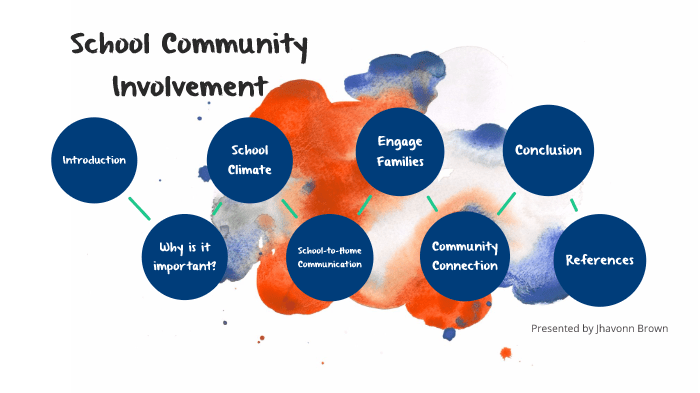
In today’s rapidly changing world, education is more important than ever before. It is the key to unlocking opportunities and creating a brighter future for individuals and communities. While schools play a crucial role in providing education, community involvement in the educational process can greatly enhance its impact.
When we talk about community involvement in education, we refer to the active participation of parents, local organizations, businesses, and volunteers in supporting and enriching the learning experience of students. This involvement goes beyond simply attending parent-teacher conferences or fundraising events; it encompasses a wide range of activities that aim to create a strong partnership between schools and their surrounding communities.
One significant benefit of community involvement in education is that it helps bridge the gap between classroom learning and real-world applications. By bringing professionals from various fields into classrooms as guest speakers or mentors, students gain valuable insights into potential career paths and are able to connect what they learn with how it can be used outside of school walls. This exposure not only inspires students but also helps them understand why certain subjects are relevant to their lives.
Another advantage is that community involvement fosters a sense of belonging among students. When they see members of their community investing time and effort into their educational journey, they feel valued and supported. This positive reinforcement boosts self-esteem and motivation levels while reducing feelings of isolation or disengagement. Students who have strong connections with their communities tend to perform better academically as they strive not just for personal success but also for the betterment of those around them.
Furthermore, by involving different stakeholders in education – such as parents – there is greater alignment between home life and school expectations. Parents who actively participate become more aware of what their children are learning at school, allowing them to provide consistent support at home. Moreover, when families engage with teachers on matters related to curriculum or teaching methods through parent advisory councils or similar platforms, it leads to improved decision-making processes within schools based on diverse perspectives.
Community involvement also brings valuable resources into schools. Local businesses can provide financial support through sponsorships or donations, enabling schools to offer extracurricular activities, purchase necessary equipment, or enhance facilities. Additionally, community organizations and volunteers can contribute their time and expertise to organize educational workshops, mentorship programs, or after-school clubs that cater to students’ diverse interests and needs. These additional resources enrich the learning environment and promote holistic development.
In conclusion, community involvement in education is a powerful force that enhances the quality of learning experiences for students. By bridging the gap between theory and practice, fostering a sense of belonging among students, aligning home and school expectations, and bringing valuable resources into schools, communities play a vital role in shaping the future generations. When schools partner with parents, local organizations, businesses, and volunteers in meaningful ways, they create an ecosystem where everyone thrives – ultimately leading to stronger communities built on a foundation of education.
 Alternative Amie
Leave a comment