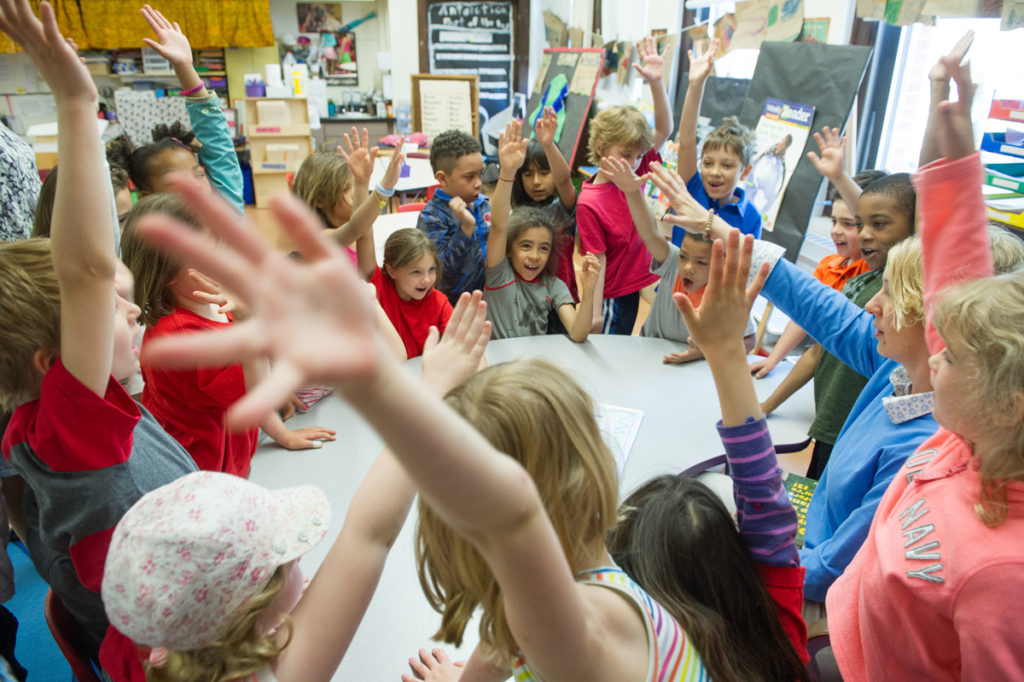
Social-emotional learning (SEL) is a vital component of education, particularly in alternative schools. These unique educational institutions focus on providing a supportive and inclusive environment for students who may have struggled in traditional school settings. By incorporating SEL into their curriculum, alternative schools are equipping students with the necessary skills to succeed academically and socially.
What is social-emotional learning? It refers to the process through which individuals develop essential life skills such as self-awareness, self-management, social awareness, relationship building, and responsible decision-making. SEL provides students with the tools they need to navigate challenges effectively, manage their emotions, develop healthy relationships, and make responsible choices.
Alternative schools recognize that academic success alone is not enough; students must also possess strong emotional intelligence to thrive in both personal and professional spheres. By integrating SEL into their programs, these schools prioritize the overall well-being of their students while fostering an atmosphere of acceptance and growth.
One significant benefit of implementing SEL in alternative schools is its positive impact on student behavior. Many students attending these institutions often come from challenging backgrounds or have experienced trauma that can manifest in disruptive behaviors. Through SEL practices like restorative justice approaches or mindfulness exercises, alternative schools help students understand the consequences of their actions while teaching them strategies for managing their emotions constructively.
Furthermore, by promoting empathy and understanding among peers through activities such as group discussions or community service projects, alternative schools foster a sense of belonging within the student body. This sense of connection reduces feelings of isolation or alienation that some students may experience due to past negative experiences or struggles with mental health issues.
In addition to enhancing behavior management techniques and promoting peer support networks, SEL also plays a crucial role in improving academic performance within alternative schools. When children feel emotionally secure and supported at school, they are more likely to engage actively in classroom activities and take risks in their learning journey.
SEL provides a foundation for effective communication between teachers and students by emphasizing active listening skills and encouraging open dialogue. Students learn to express their thoughts and concerns openly, which fosters a sense of mutual respect and trust between educators and learners. This positive relationship between students and teachers creates an environment conducive to learning, where students feel valued for who they are as individuals.
Moreover, SEL helps students develop essential problem-solving skills. By teaching them how to think critically, evaluate situations, and make responsible decisions, alternative schools empower their students to become independent thinkers. These skills are valuable not only in the classroom but also in real-life scenarios where making informed choices is crucial.
SEL also equips students with tools for managing stress effectively. Many alternative school students face unique challenges outside of the classroom that can impact their ability to focus on academics. Through SEL techniques such as mindfulness exercises or stress management workshops, these schools provide practical strategies for coping with anxiety or pressure.
Additionally, alternative schools recognize the importance of preparing students for future success beyond academia. By focusing on social-emotional learning, these institutions equip young people with invaluable life skills that will serve them well in adulthood.
Alternative schools understand that success goes far beyond earning good grades; it encompasses personal fulfillment and well-being too. Whether it be navigating relationships or pursuing careers post-graduation, the ability to manage emotions effectively is vital.
In conclusion, social-emotional learning plays a central role in alternative schools by providing a holistic approach to education. By prioritizing emotional intelligence alongside academic achievement, these institutions nurture well-rounded individuals ready to thrive both academically and socially in today’s complex world.
Through practices such as restorative justice approaches, mindfulness exercises, peer support networks, and effective communication strategies between teachers and learners; alternative schools create an inclusive environment where every student feels valued.
By integrating SEL into their curriculum and daily practices; alternative schools empower students with lifelong skills like self-awareness, self-management empathy building relationships responsibility decision-making critical thinking stress management among others necessary for personal and professional success.
Alternative schools serve as beacons of hope for students who may have struggled in traditional educational settings. By prioritizing social-emotional learning, these institutions are setting their students up for a brighter future filled with academic achievement, emotional well-being, and successful navigation of life’s challenges.
 Alternative Amie
Leave a comment