As human beings, we all have unique ways of processing information and learning new things. Some of us thrive in a structured classroom environment, while others prefer hands-on experiences or self-directed learning. These different preferences are commonly referred to as learning styles, and understanding them can greatly enhance our educational experiences.
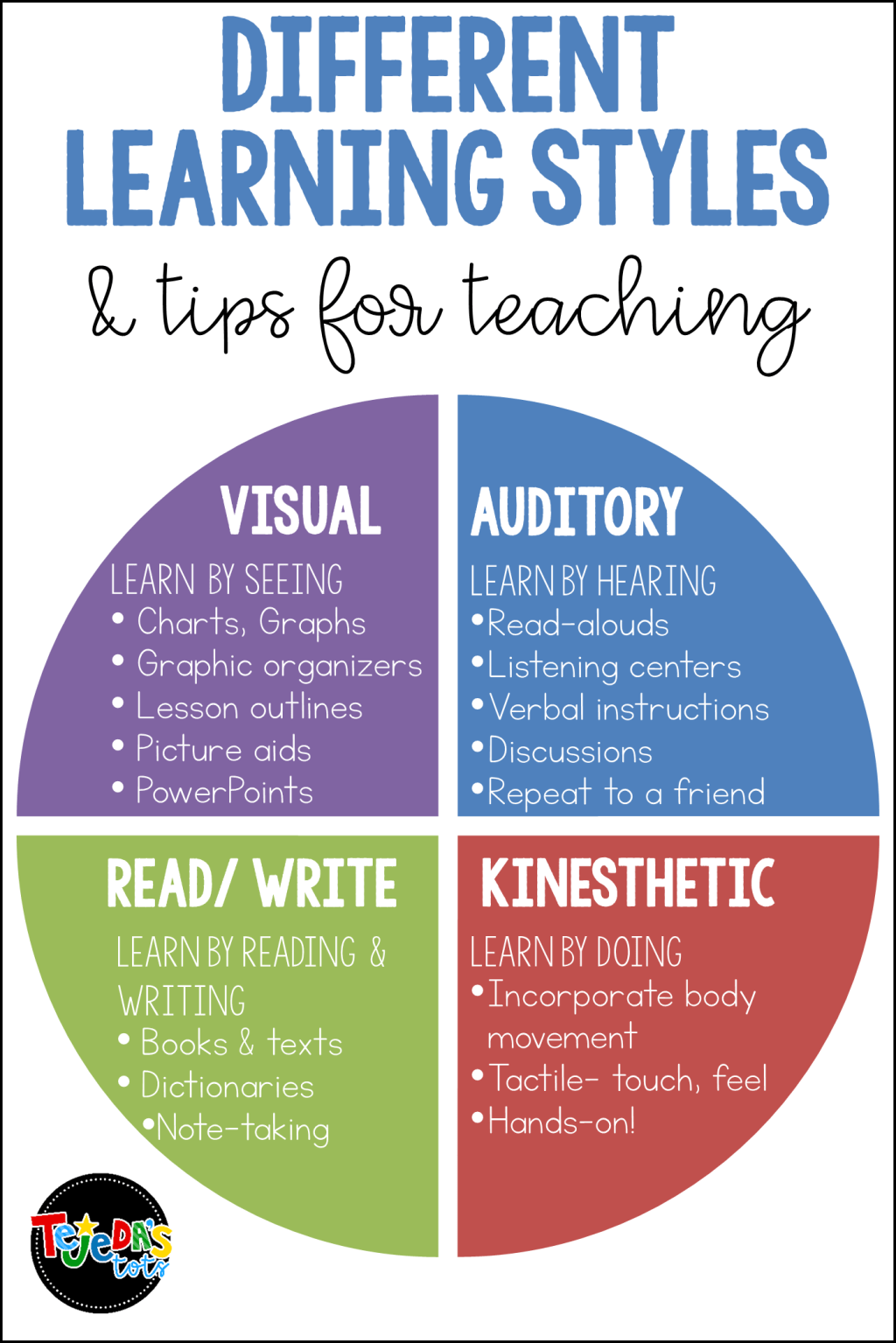
One of the most well-known models of learning styles is the VARK model, which identifies four main types: visual learners, auditory learners, reading/writing learners, and kinesthetic learners. Visual learners prefer to learn through pictures, diagrams, and visual aids. They benefit from seeing information presented in a clear and organized manner. Auditory learners absorb information best through listening and speaking. They enjoy lectures, discussions, podcasts, and other forms of verbal communication.
Reading/writing learners excel at absorbing knowledge through reading texts and writing notes or summaries. They appreciate written instructions and often find themselves engrossed in books or essays on various topics. On the other hand, kinesthetic learners are hands-on individuals who learn best by doing activities that involve movement or physical manipulation. They may enjoy experiments or practical exercises that allow them to engage with their surroundings.
Understanding your own learning style can be incredibly empowering when it comes to pursuing education in alternative schooling environments. For example, if you discover that you are primarily a visual learner but find yourself struggling in a traditional classroom setting where lectures dominate the teaching style (which predominantly favors auditory learners), you might consider seeking out alternative methods for acquiring knowledge.
Alternative schooling options such as Montessori schools or homeschooling provide opportunities for tailored instruction based on individual learning styles. In these settings, teachers can adapt their teaching strategies to cater to each student’s unique needs better.
For visual learners who thrive on visuals cues like charts or diagrams illustrating concepts visually can be particularly helpful tools for comprehension. Additionally participating in group projects where they can create models or presentations will provide opportunities for both collaboration with others while also utilizing their strengths.
Auditory learners, on the other hand, can benefit from engaging in lively discussions and debates that allow them to voice their thoughts and opinions. They may also find it helpful to record lectures or listen to educational podcasts or audiobooks during independent study sessions.
Reading/writing learners often excel in settings where they have access to a wide range of written materials. This could involve being provided with textbooks, articles, or essays on various topics that span across different disciplines. Additionally, taking notes while reading or listening to lectures can help reinforce information for these learners.
For kinesthetic learners who prefer hands-on experiences, alternative education environments should incorporate interactive activities whenever possible. Engaging in experiments, field trips, role-playing exercises, and incorporating physical movement into lessons will greatly enhance their learning experience.
It’s important to remember that although identifying our preferred learning style is beneficial; we are not limited by it. Most individuals possess a combination of learning styles rather than just one dominant type. Therefore, it is essential to remain open-minded and willing to explore different methods of acquiring knowledge.
In conclusion, understanding your learning style can be instrumental in finding success within alternative schooling environments. By recognizing how you best absorb and process information – whether visually, auditorily/verbally, through reading/writing or kinesthetically – you can seek out educational opportunities that cater specifically to your needs and preferences. Embracing alternative methods of teaching will undoubtedly enrich your educational journey as you discover new ways of absorbing knowledge and nurturing your natural talents and abilities.
 Alternative Amie
Leave a comment