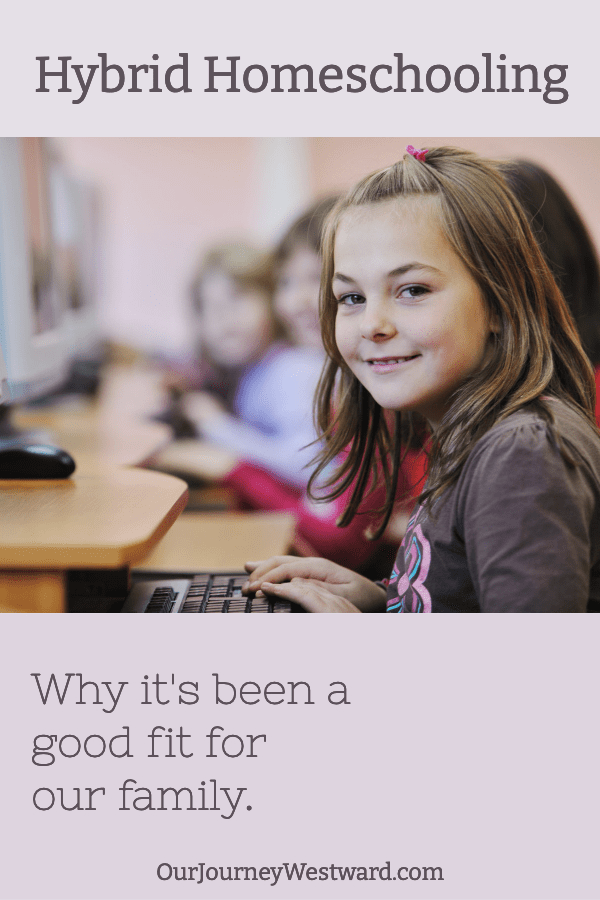
Socialization Opportunities in Hybrid Homeschooling
In recent years, homeschooling has become an increasingly popular alternative to traditional education for many families. However, concerns about socialization often arise when considering homeschooling as an option. Fortunately, hybrid homeschooling offers a unique solution that combines the benefits of home-based learning with ample opportunities for social interaction and development.
Hybrid homeschooling is a flexible approach that blends elements of both traditional schooling and homeschooling. It allows students to spend part of their time learning at home and part of their time in a more structured classroom setting. This balance ensures that children receive individualized instruction while also having access to peer interaction and group activities.
One of the primary advantages of hybrid homeschooling is the opportunity for children to develop strong interpersonal skills through regular engagement with other students. Many hybrid programs include designated days or times when students attend classes together, providing them with valuable face-to-face interactions essential for social growth.
Group projects and collaborative assignments are commonly used in hybrid classrooms, fostering teamwork and communication skills among students. These activities not only promote socialization but also teach important life skills such as problem-solving, compromise, and effective communication – all crucial abilities necessary for success in today’s interconnected world.
Additionally, extracurricular activities play a vital role in shaping a well-rounded child by exposing them to various interests and allowing them to explore personal passions alongside peers who share similar hobbies or talents. Hybrid homeschoolers can participate in sports teams, clubs, arts programs, music lessons, dance classes – just like their traditionally schooled counterparts.
Moreover, hybrid programs often organize field trips where students can engage with the community around them while deepening their understanding of different subjects. These outings provide hands-on experiences that enhance academic learning while simultaneously encouraging social connections between classmates working together outside the confines of a typical classroom environment.
Beyond organized group activities facilitated by schools themselves, hybrid homeschooled students have plenty of opportunities within their local communities to engage with peers. Many cities offer homeschooling support groups, co-ops, and clubs where families can network and organize social gatherings, field trips, and educational outings. These community-based interactions expose children to a diverse range of backgrounds and experiences while fostering lasting friendships.
Furthermore, hybrid homeschooling allows for flexibility in scheduling, which creates additional opportunities for socialization. Students can attend extracurricular activities during the day when traditional school students are still in class or engage in weekend programs that may be difficult to access without a flexible schedule. This freedom enables them to take part in community sports leagues, art workshops, theater productions, or volunteer work – all experiences that contribute to their personal growth and social development.
It’s worth noting that hybrid homeschoolers often have more time for family relationships compared to their traditionally schooled peers due to the flexible nature of their learning environment. Strong family bonds provide crucial emotional support as children navigate the challenges of growing up. With more quality time together, families can engage in meaningful conversations about values, beliefs, and current events – discussions that foster critical thinking skills while reinforcing social connections within the home.
In conclusion, hybrid homeschooling offers numerous socialization opportunities for students that go beyond what is typically associated with traditional schooling. Through regular classroom interactions with peers during designated days or times at school combined with involvement in extracurricular activities both inside and outside the school system itself – including organized group outings facilitated by schools or local community organizations – hybrid homeschooled students have ample chances to develop crucial interpersonal skills while building lasting friendships.
The flexibility inherent in hybrid homeschooling also opens doors for participation in various community-based initiatives not limited by rigid schedules typical of traditional schooling settings. Ultimately, this balanced approach provides children with a well-rounded education that combines academic excellence with robust social development – empowering them to thrive academically as well as personally.
 Alternative Amie
Leave a comment