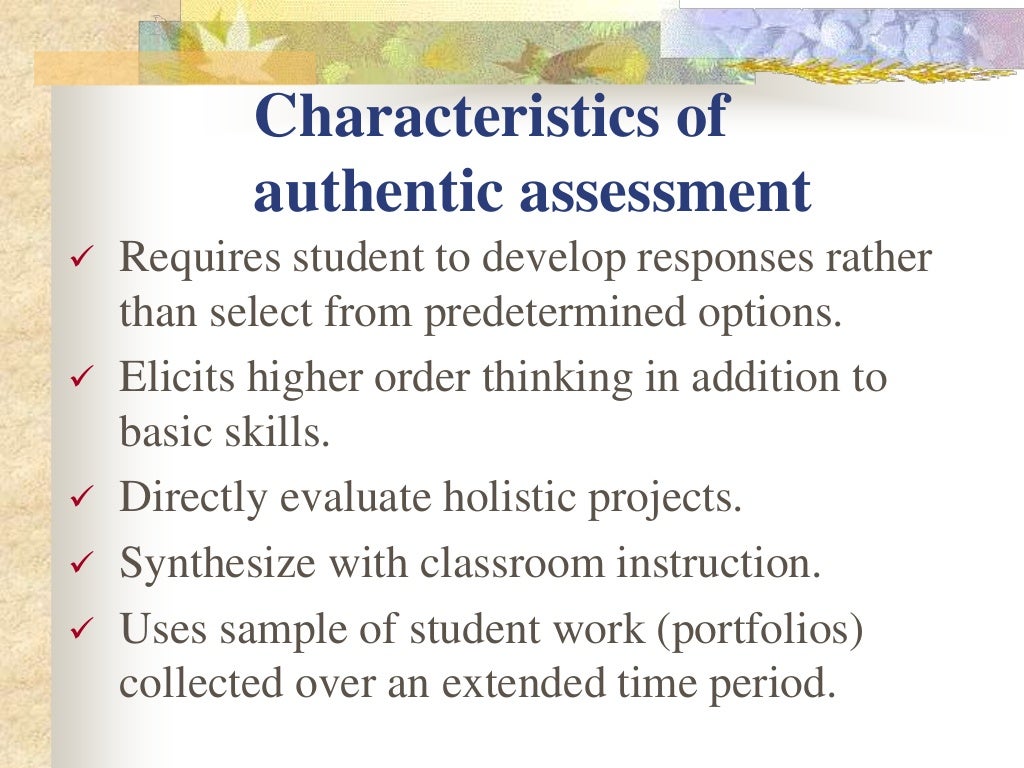
In today’s rapidly evolving world, traditional grading systems may not always accurately capture a student’s true abilities and potential. As educators strive to create inclusive and meaningful learning experiences for students, alternative assessment methods have gained popularity. These methods go beyond simply assigning grades based on tests and exams, and instead focus on evaluating a student’s overall growth, creativity, critical thinking skills, and ability to apply knowledge in real-world contexts.
One such alternative assessment method is project-based learning (PBL). PBL allows students to delve into complex problems or challenges that require them to apply their knowledge and skills in practical ways. Through hands-on projects, students develop problem-solving abilities, teamwork skills, creativity, time management skills, and the ability to communicate effectively. Instead of being graded solely on the final product or outcome of their project, they are assessed throughout the entire process – from planning and research to execution and presentation.
Another alternative assessment method gaining traction is portfolio assessment. Portfolios serve as a collection of a student’s work over a period of time. They can include essays, artwork samples, science experiments reports, presentations – anything that showcases the student’s progress across different subjects or areas of study. This approach allows for a more holistic evaluation of a student’s abilities rather than relying solely on standardized tests or exams.
In addition to project-based learning and portfolio assessment, self-assessment plays an important role in encouraging self-motivation and independent learning skills among students. By reflecting on their own strengths and weaknesses through self-assessment tools like rubrics or checklists provided by teachers or mentors – students become more aware of their progress towards their goals. Self-assessment also helps foster intrinsic motivation as it encourages individuals to take ownership of their own learning journey.
As we navigate an ever-changing educational landscape characterized by technological advancements and shifting career demands – nurturing independent learners who possess critical thinking skills becomes crucial for success beyond the classroom walls. Alternative assessments provide opportunities for students to showcase their abilities and talents in a more authentic manner, while also empowering them to take charge of their own education. By exploring and implementing these alternative assessment methods, we can create a learning environment that nurtures creativity, fosters growth, and prepares students for the challenges of the future.
 Alternative Amie
Leave a comment