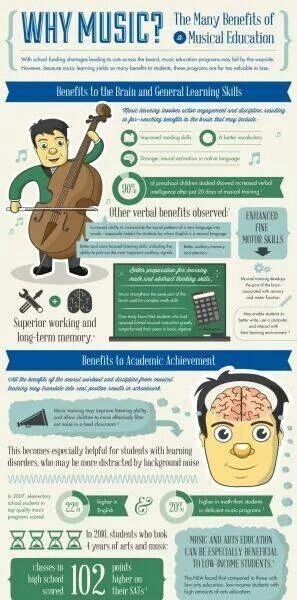
Music is an essential part of our lives, and its impact on education should not be underestimated. Alternative schooling and education approaches recognize the power of music in enhancing learning experiences and promoting holistic development among students. From improving cognitive skills to fostering creativity, let’s explore some statistics that highlight the benefits of incorporating music into alternative education.
1. Academic Performance:
Research shows a strong correlation between music education and academic achievement. According to a study conducted by Northwestern University, students who actively participate in music classes tend to have higher standardized test scores compared to their peers without musical involvement. Additionally, the College Entrance Examination Board reported that SAT takers with experience in music consistently outperformed those without musical engagement across all sections of the exam.
2. Cognitive Development:
Playing a musical instrument engages various parts of the brain simultaneously, leading to improved cognitive abilities such as memory, attention span, problem-solving skills, and language processing. A study published in Frontiers in Psychology found that children who received at least two years of musical training demonstrated enhanced executive functions like working memory and cognitive flexibility.
3. Emotional Well-being:
Alternative schooling aims to create a nurturing environment for students’ emotional well-being while fostering their academic growth. Music offers an effective means for emotional expression, stress reduction, and self-regulation. Research published in The Journal of Positive Psychology revealed that listening to upbeat music can boost happiness levels within just two weeks.
4. Social Skills:
Collaborative musical activities encourage teamwork, cooperation, communication skills development among students – vital attributes nurtured through alternative education methods as well. A report by Chorus America highlighted how choral singing promotes empathy and social bonding among participants while also enhancing overall community engagement.
5. Creativity Enhancement:
Alternative schooling often focuses on cultivating creative thinking abilities alongside traditional academics – this is where music truly shines! Participating in improvisation exercises or composing original pieces stimulates imagination and innovative thinking processes crucial for success beyond school walls.
6. Cultural Appreciation:
Music introduces students to a wide range of cultures and traditions, promoting diversity and inclusivity in alternative education settings. A study published in the Journal of Research in Music Education found that students who engage with culturally responsive music programs demonstrate increased cultural awareness and respect for differences.
7. Behavior Management:
Incorporating music into classrooms can positively impact behavior management strategies, especially among younger learners. According to a review published by Child Development Perspectives, rhythmic activities like clapping or singing can help improve self-regulation skills and reduce disruptive behaviors.
8. Special Educational Needs:
For students with special educational needs, music provides an inclusive platform for expression and learning. The National Association for Music Education reports that music therapy interventions have shown positive outcomes for individuals with autism spectrum disorder (ASD), attention-deficit/hyperactivity disorder (ADHD), and other developmental disabilities.
Alternative schooling embraces these statistics by incorporating music into their curriculum through dedicated classes, extracurricular activities like bands or choirs, or even utilizing musical elements during regular academic lessons.
By recognizing the numerous benefits of integrating music into alternative education approaches, we empower students to reach their full potential academically, emotionally, socially, and creatively – ultimately preparing them for success in both school and life beyond its walls.
 Alternative Amie
Leave a comment