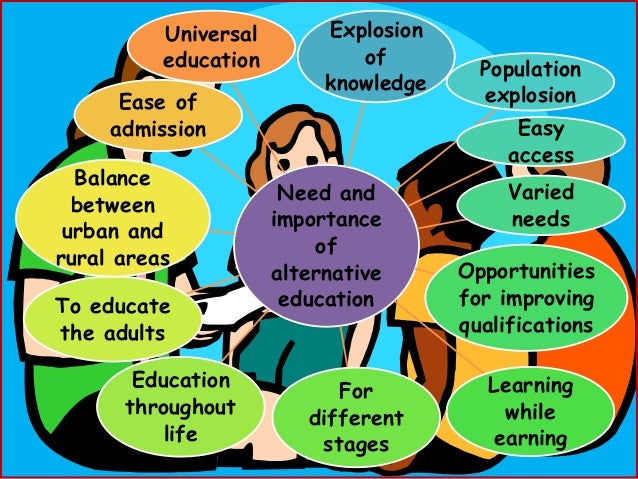
Welcome to our FAQ-style post about alternative schooling and education! Here, we will answer some common questions you may have about this educational approach.
Q: What is alternative schooling?
A: Alternative schooling refers to non-traditional educational methods that deviate from the traditional classroom setting. It focuses on personalized learning, experiential education, and student-centered approaches. These schools often have smaller class sizes, flexible schedules, and a more hands-on curriculum.
Q: What are the benefits of alternative schooling?
A: Alternative schooling provides several benefits for students. Firstly, it allows for individualized learning experiences tailored to each student’s unique needs and interests. This can lead to increased engagement and motivation in the learning process. Additionally, alternative schools often foster a sense of community among students and teachers due to their smaller size and more intimate environment. Students in these settings also tend to develop strong critical thinking skills as they are encouraged to explore concepts through real-world experiences rather than solely relying on textbooks.
Q: Are alternative schools accredited?
A: Some alternative schools are accredited by recognized educational bodies while others may not be officially accredited but still provide high-quality education. Accreditation ensures that certain standards of quality are met; however, lack of accreditation does not necessarily mean an inferior education. It’s important for parents or guardians considering an alternative school to research each institution thoroughly before making a decision.
Q: How do I find an appropriate alternative school for my child?
A: Research is key when seeking an appropriate alternative school for your child. Start by identifying your child’s specific needs and preferences in terms of learning style, curriculum focus (e.g., Montessori or Waldorf), extracurricular activities offered, location, etc. Then compile a list of potential schools that align with those criteria. Reach out to each school directly and schedule visits or attend open houses where you can observe classes firsthand and speak with staff members about their educational philosophy.
Q: Can children transition from alternative schooling to traditional schools?
A: Yes, children can transition from alternative schooling to traditional schools if and when needed. However, it is important to note that this transition may require some adjustment for the students. It’s advisable to consult with both the current alternative school and prospective traditional school for guidance on how to support a smooth transfer.
In conclusion, alternative schooling offers a unique educational experience that caters to individual student needs and promotes active learning. By considering the benefits, accreditation status, finding appropriate schools, and understanding potential transitions, parents can make informed decisions about their child’s education.
 Alternative Amie
Leave a comment